
Valve patches Steam Frame charging flaws in first post-launch update
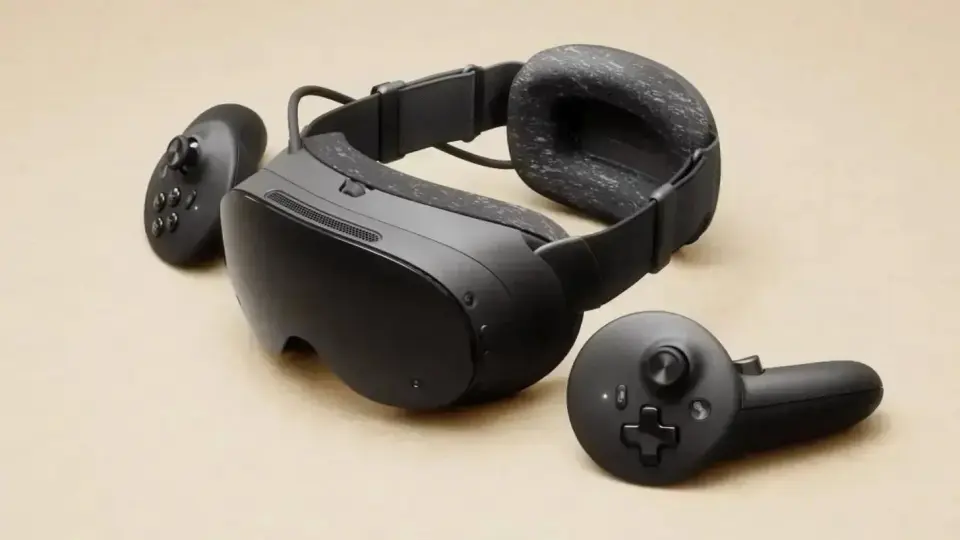
Valve released SteamOS 0.3.0 for the Steam Frame on September 19, 2026, five days after the headset's launch. The update primarily addresses slow charging speeds, which were a major complaint in early reviews. It also fixes controller tracking issues during haptics, improves stability under high load, and resolves a microphone audio bug. While the update improves performance, the device remains expensive and faces criticism for limited battery life and uneven game compatibility.
Key points
- Valve released SteamOS 0.3.0 for the Steam Frame on September 19, 2026, just five days after the device launched on September 14.
- The update significantly improves charging speeds, with The Verge reporting that charging power increased from 8-27 watts to 19-42 watts, allowing users to play while charging.
- Additional fixes include improved controller tracking during haptic feedback, better stability under high load, and a fix for a garbled microphone audio bug.
- The update also corrects a motion smoothing setting that was previously ignored and adjusts behavior for Half-Life: Alyx.
- Valve recommends using a 45-watt USB-C charger, which is sold separately from the $1,059 headset.
Background
The Steam Frame was announced in November 2025 and launched in September 2026, marking Valve's return to standalone VR after years of focusing on the Steam Deck and Steam Machine. The device is priced at $1,059 for the 256GB model and $1,299 for the 1TB version. Earlier reviews highlighted its comfortable design and wireless streaming capabilities but criticized its high price, limited battery life, and lack of native game support compared to competitors like the Meta Quest 3.
How outlets are covering it
TechPowerUp and The Verge emphasize the technical improvements in the update, particularly the substantial increase in charging power, which addresses a key criticism from early reviews. Ars Technica and Mashable focus more on the broader context, noting that while the update fixes specific bugs, the Steam Frame still faces significant hurdles regarding its high price point and the declining state of the VR market. Ars Technica highlights that the device feels 'overengineered and underbaked,' with issues like head-tracking juddering and poor battery life in performance mode. Mashable notes that while reviewers praised the device's design and wireless streaming, they agreed that the timing and price make it a difficult recommendation for most consumers.
Why it matters
The Steam Frame represents Valve's attempt to revive the VR market with a premium, open-platform device. The quick release of SteamOS 0.3.0 shows Valve's responsiveness to early user feedback, but the device's high price and ongoing performance issues may limit its adoption. The update's success in fixing charging issues is crucial for the device's usability, but it does not address the fundamental challenges of battery life and game compatibility that remain barriers to widespread adoption.
What to watch
Valve is expected to continue releasing updates to improve game compatibility and performance on the Steam Frame. The company may also work on expanding the 'Great on Frame' list of supported games. The long-term success of the Steam Frame will depend on Valve's ability to address the device's limitations and convince consumers that the premium price is justified in a market where VR adoption has slowed.
- Steam Frame Gets First SteamOS Update With Substantially Faster Charging TechPowerUp
- Steam Frame: What early reviewers said about the $1,000+ VR headset Mashable
- Valve has already fixed the Steam Frame’s slow charging speeds. The Verge
- Scalpers Are Trying to Sell Valve's Steam Frame for Up to $2,000, but the Community Is Fighting Back IGN
- Steam Frame: The Ars Technica review Ars Technica
Want the full story? Read the original reporting
Read on TechPowerUp