
Google Fitbit Edge Launches as Mid-Tier Tracker with Replaceable Battery
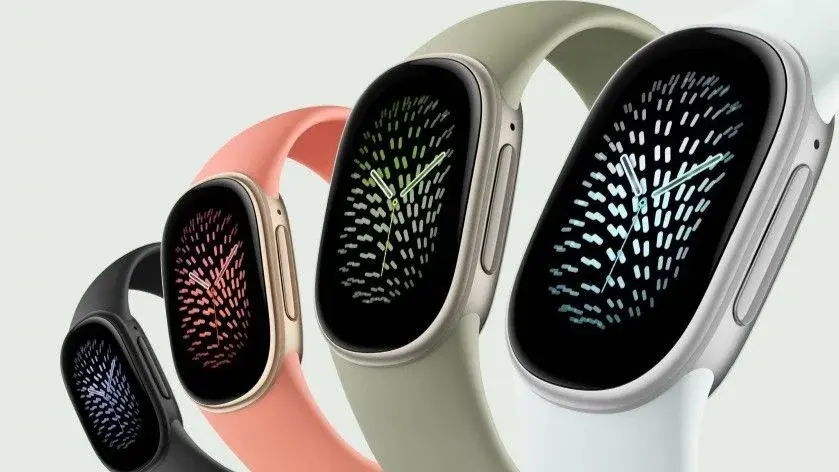
Google has officially launched the Fitbit Edge, a mid-tier fitness tracker priced at $179.99, positioned between the screenless Fitbit Air and the premium Pixel Watch 5. The device features a 1.34-inch OLED display, built-in GPS, and up to seven days of battery life. It is the first Fitbit tracker with a replaceable battery, though Google advises against user self-repair. Pre-orders are open now, with retail availability starting October 27. The device includes advanced health sensors for heart rate, sleep, and recovery, and integrates with Google Health Premium for AI-powered coaching.
Key points
- The Fitbit Edge is priced at $179.99, with a Stephen Curry Special Edition available for $220.
- It features a 1.34-inch OLED touchscreen that is 45-46% larger and over 40% brighter than the Fitbit Charge 6.
- Battery life lasts up to seven days with 'raise to wake,' but drops to two days with an always-on display.
- The device is the first Fitbit tracker with a replaceable battery, though Google recommends professional service for repairs.
- It includes built-in GPS, an altimeter, ECG, blood oxygen, and skin temperature sensors, but lacks NFC and a microphone/speaker.
- Pre-orders began on October 12, 2026, with general retail availability starting October 27, 2026.
Background
The Fitbit Edge was first leaked in early October 2026, confirming its mid-range positioning between the $100 Fitbit Air and the $350-$400 Pixel Watch 5. Earlier leaks highlighted its 1.34-inch screen, 7-day battery, and Gemini-powered coaching. The official launch on October 12, 2026, confirmed these specs and added details about its repairable design and cross-platform compatibility with iOS and Android. The device is part of Google's broader strategy to offer tiered wearable options, with the Edge targeting users who want more than a screenless band but less than a full smartwatch.
How outlets are covering it
Android Central emphasizes the Edge's week-long battery life and replaceable battery as key differentiators, noting its slim design and advanced health features. Blog.google highlights the device's AI-powered Health Coach, 46% larger display, and 40% improved GPS accuracy, framing it as the 'smartest fitness tracker ever.' Ars Technica focuses on the trade-offs, noting the lack of NFC, microphone, and speaker, and clarifies that the battery is service-replaceable, not user-replaceable. CNET positions the Edge as a 'Goldilocks' option for smartwatch noncommittals, praising its screen and GPS but questioning the always-on display's impact on battery life and the $150 metal band price. All sources agree on the core specs but differ in emphasis: Android Central and Blog.google highlight features, while Ars Technica and CNET focus on limitations and value.
Why it matters
The Fitbit Edge fills a gap in Google's wearable lineup, offering a middle ground between the minimalist Fitbit Air and the feature-rich Pixel Watch 5. Its replaceable battery addresses a common pain point for wearable users, potentially extending device lifespan and reducing e-waste. The integration of Google Health Premium and AI-powered coaching positions it as a serious health tool, not just a fitness tracker. For consumers, it offers a more affordable alternative to smartwatches with key features like GPS and a screen, while its cross-platform compatibility with iOS and Android broadens its appeal. The launch also signals Google's commitment to repairability and sustainability in its wearable ecosystem.
What to watch
The Fitbit Edge will be available for general retail sale on October 27, 2026. Google plans to release additional interchangeable bands, including a $150 Metal Links Band, and third-party options may follow. The Health Guardian feature, which tracks blood pressure and insulin resistance trends, is expected to expand to the Fitbit Air, though no timeline has been announced. Google may also introduce software updates to enhance the AI Health Coach and improve automatic activity recognition. The device's success will likely influence Google's future wearable strategy, potentially leading to more repairable and mid-tier options in the lineup.
- The Google Fitbit Edge gives you a week of battery life and a screen you can use Android Central
- Google Fitbit Edge: Our all-new smartest fitness tracker ever blog.google
- Google Debuts $180 Fitbit Edge Tracker in Continued Health Push Bloomberg.com
- Google announces the Fitbit Edge, a middle ground between Pixel Watch 5 and Fitbit Air Ars Technica
- Fitbit Edge May Be the Sweet Spot for Smartwatch Noncommittals CNET
Want the full story? Read the original reporting
Read on Android Central