
AI-Generated Game Mashups Spark Backlash Among Traditional Modders
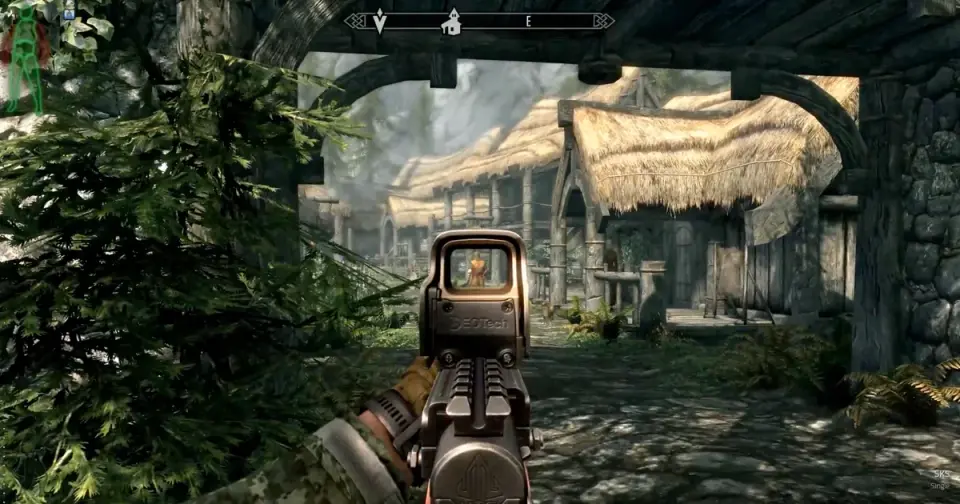
A surge in AI-generated 'mashup' mods, which merge unrelated games like Skyrim and Escape from Tarkov, has triggered significant backlash from traditional modders. While these 'vibe-coded' clips are gaining traction on social media, critics argue they lack creativity and rely on unlicensed assets, threatening the integrity of the modding community.
Key points
- The trend involves using AI models, specifically Claude Opus 5.5, to decompile and merge assets from unrelated games, such as placing World of Warcraft mechanics into Call of Duty: World at War or Spider-Man into Batman: Arkham City.
- Long-time modders have expressed anger, describing the new wave as 'slop' and 'vibe-coded' content that prioritizes viral engagement over craftsmanship, with some threatening to quit the hobby if this becomes the norm.
- These mashups are currently confined to social media platforms like X, as major modding hubs like Nexus Mods prohibit AI-generated content that uses assets without explicit permission, citing legal and rights issues.
- The rapid spread of these mods is attributed to cheaper token costs and improved code generation capabilities in recent AI models, which allow users to create complex integrations in hours rather than weeks.
- Critics note that while the results are often glitchy and inconsistent, the sheer volume of content is overshadowing traditional, carefully crafted mods and raising concerns about the future definition of modding.
Background
This controversy follows a broader trend of AI-generated content flooding social media, as seen in earlier incidents involving AI bots promoting startups and the backlash against AI-generated tributes after public figures' deaths. Additionally, Anthropic's recent consolidation of its Claude tools into a unified platform may have contributed to the ease of access for these generative tasks.
How outlets are covering it
Eurogamer highlights the anger of traditional modders who view these AI-generated mashups as a threat to the community's craftsmanship, noting that the content is often low-quality and relies on unlicensed assets. In contrast, some users on X, such as Luki, describe these 'passthrough mods' as a fun and innovative use case for AI, despite the glitches. Tech4Gamers focuses on the technical aspect, emphasizing how AI tools are enabling the merging of entire games, while IGN (cited by Eurogamer) points out the legal hurdles that prevent these mods from being hosted on major platforms. The perspectives diverge on whether this is a creative evolution or a degradation of the modding culture.
Why it matters
This trend could fundamentally reshape the modding community by shifting the focus from skilled, time-intensive creation to rapid, AI-assisted content generation. If major platforms eventually allow these AI-generated mods, it could lead to legal disputes over intellectual property and a dilution of the quality and creativity that has historically defined the modding scene. The backlash from established modders indicates a deep-seated concern about the future of community-driven content in the age of generative AI.
What to watch
The immediate next step is to monitor whether major modding platforms like Nexus Mods will enforce their policies against AI-generated content or if they will adapt to the new trend. Additionally, the legal implications of using decompiled assets without permission could lead to lawsuits from game publishers. The modding community may also see a split, with some users embracing AI tools and others retreating to more traditional methods to preserve the integrity of their work.
- Vibe-coded mashup mods are flooding X/Twitter, and modders hate it Eurogamer.net
- ‘Minecraft In Elden Ring’—Vibe Coders Are Remixing Video Games With AI Forbes
- AI Mashups Blend Skyrim, Tarkov, and Spider-Man in Glitch... x.com
- Minecraft runs inside Elden Ring as modders mash up entire games TweakTown
- AI Is Now Allowing Modders To Merge Entire Games Together Tech4Gamers
Want the full story? Read the original reporting
Read on Eurogamer.net