
Blizzard Faces Backlash Over Real-Money Sale of Race-Specific WoW Housing Decor
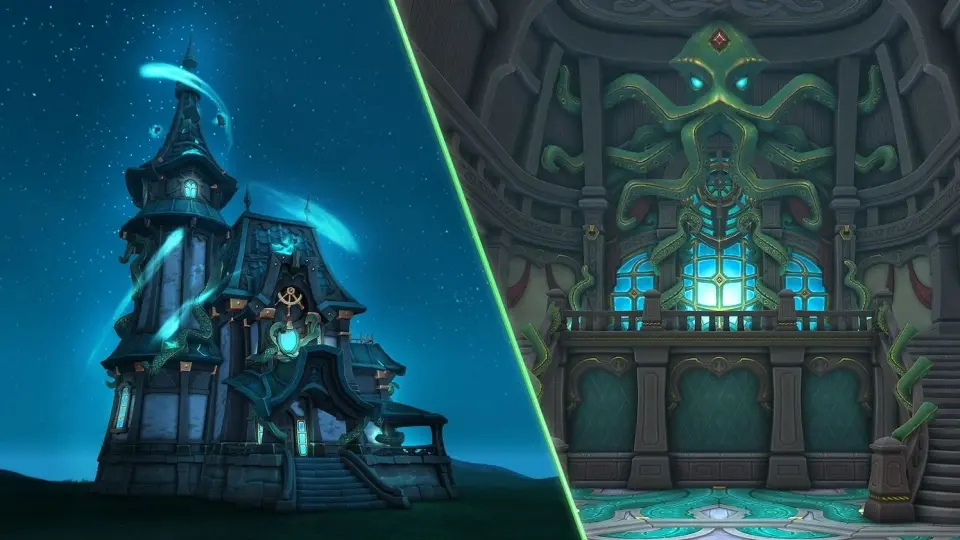
Blizzard Entertainment is facing player backlash after selling real-money housing decor tied to the Kul Tiran race in World of Warcraft, directly contradicting a public promise made in November 2025. The new bundles, the Haunted Grimtide Estate ($25) and Grimtide Decor Pack ($10), feature spooky, pirate-themed items associated with the playable race. This move violates Blizzard's stated principle that housing items tied to core racial fantasies or existing Azeroth lore would not be sold for real money. The controversy has eroded goodwill surrounding the long-awaited housing feature, which was already criticized for high costs and grind-heavy acquisition methods. Players and content creators, including BellularGaming, have highlighted the contradiction between Blizzard's previous assurances and current monetization practices. While the housing system offers new gameplay opportunities, the aggressive monetization layers have drawn significant criticism, adding to broader dissatisfaction with the recent World of Warcraft: Midnight expansion.
Key points
- Blizzard sold the Haunted Grimtide Estate ($25) and Grimtide Decor Pack ($10) on Battle.net, featuring decor themed after the Kul Tiran player race.
- This action contradicts a November 2025 developer blog post where Blizzard promised not to sell housing items tied to player races or existing Azeroth lore for real money.
- The controversy has drawn criticism from players and content creators, including BellularGaming, who cited the direct contradiction of Blizzard's stated housing principles.
- The housing system, a long-requested feature since the 2000s, is criticized for high cosmetic costs comparable to expansions and a grind-heavy acquisition process that limits creativity.
- The backlash adds to broader dissatisfaction with the World of Warcraft: Midnight expansion, which players have criticized for weak storytelling, bugs, and rushed content.
Background
World of Warcraft's housing system was introduced as a highly anticipated feature, allowing players to customize personal spaces for their characters and guilds. Prior to this controversy, Blizzard had faced criticism for the high cost of cosmetic items and the grind required to obtain them. The company had previously committed to specific monetization guidelines to maintain player trust, promising that certain thematic items would remain exclusive to in-game acquisition. This incident follows other recent controversies, including real-money trading issues in the World of Warcraft: Forever beta and graphics adjustments for new races, highlighting ongoing tensions between Blizzard's monetization strategies and player expectations.
Why it matters
This incident highlights the risks of aggressive monetization in long-standing games, particularly when it contradicts explicit developer promises. The backlash could impact player trust and engagement, especially for upcoming expansions like World of Warcraft: The Last Titan and World of Warcraft: Forever. It also underscores the importance of transparent communication regarding microtransaction practices in games with established communities.
What to watch
Blizzard has been contacted for comment regarding the controversy. Players are hoping for price reductions on the affected cosmetics and better experiences in future expansions. The outcome may influence Blizzard's approach to monetization in World of Warcraft: Forever and other upcoming titles, as the company seeks to balance revenue generation with player satisfaction.
Want the full story? Read the original reporting
Read on Windows Central