
How Shelley Duvall's Vulnerable Aesthetic Haunts Modern Horror Games
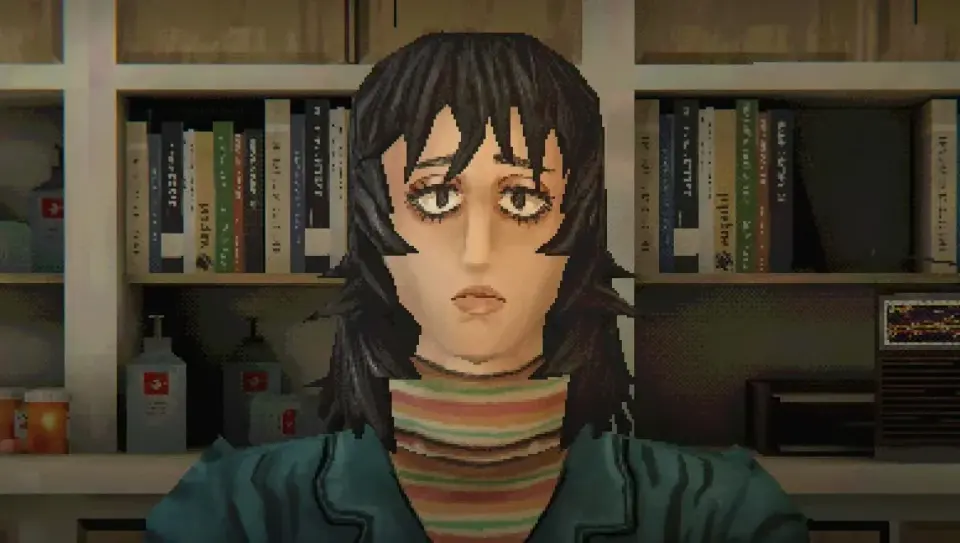
Two years after Shelley Duvall's death, her iconic vulnerability from The Shining continues to influence horror video game character design. Developers of titles like Mouthwashing and The Walten Files explicitly cite her appearance and demeanor as inspiration for female characters who embody fragility and endurance. This trend highlights a shift in horror media, moving away from direct likeness theft toward capturing the emotional essence of Duvall's 'wimpiness' to create a sense of exposure and fear in players.
Key points
- Shelley Duvall died in 2024 after two decades away from Hollywood, but her image as Wendy Torrance in The Shining (1980) remains influential in gaming.
- The 2024 indie game Mouthwashing features a nurse named Anya, explicitly inspired by Duvall by developer Wrong Organ.
- The multimedia project The Walten Files features a character named Rosemary Walten, who shares Duvall's eye shape and hairstyle, with fans noting the resemblance on social media.
- Other characters like Zoey Bennett from Date Everything also exhibit Duvall-like traits, including dark hair, pleading eyes, and proximity to death.
- Kotaku argues that Duvall's 'wimpiness' and delicate demeanor are better suited for horror games than direct likeness theft, as they evoke a sense of exposure and vulnerability in the player.
- Duvall's performance in The Shining was initially criticized but is now re-evaluated as a masterclass in vulnerability, influencing how horror games depict female characters facing existential threats.
Background
This analysis follows broader trends in gaming where classic media influences modern design. While previous archive entries focused on console anniversaries and legacy hardware, this piece highlights how specific actor aesthetics from film history permeate indie horror games. The discussion of Duvall's influence contrasts with other methods of honoring celebrities in games, such as using AI or direct likeness, which are often criticized as invasive. The focus on 'vulnerability' as a design tool aligns with the growing popularity of atmospheric horror titles that prioritize emotional tension over action.
Why it matters
The enduring influence of Shelley Duvall in horror gaming illustrates how specific cinematic performances can transcend their original medium to shape character design in interactive media. It highlights a nuanced approach to homage in games, where developers borrow emotional and aesthetic cues rather than physical likenesses, creating a deeper connection to the source material. This trend also reflects a broader shift in horror games toward emphasizing vulnerability and psychological exposure, moving away from purely action-oriented or power-fantasy narratives. By analyzing Duvall's impact, we can better understand how cultural icons are reinterpreted and integrated into new forms of entertainment, ensuring their legacy remains relevant in contemporary digital spaces.
What to watch
Expect continued references to classic horror icons in upcoming indie games, particularly those focusing on atmospheric and psychological horror. Developers may increasingly explore the emotional and aesthetic cues of past performances to create characters that resonate with players on a deeper level. The success of titles like Mouthwashing and The Walten Files suggests a growing appetite for horror games that prioritize vulnerability and emotional exposure, potentially leading to more nuanced and character-driven horror experiences in the future. Additionally, the discussion around how to honor celebrities in games without infringing on their likeness may lead to new standards and practices in the industry.
Want the full story? Read the original reporting
Read on Kotaku