
Human Recompilers Reject AI-Generated 'Slopcomps' in N64 Porting War
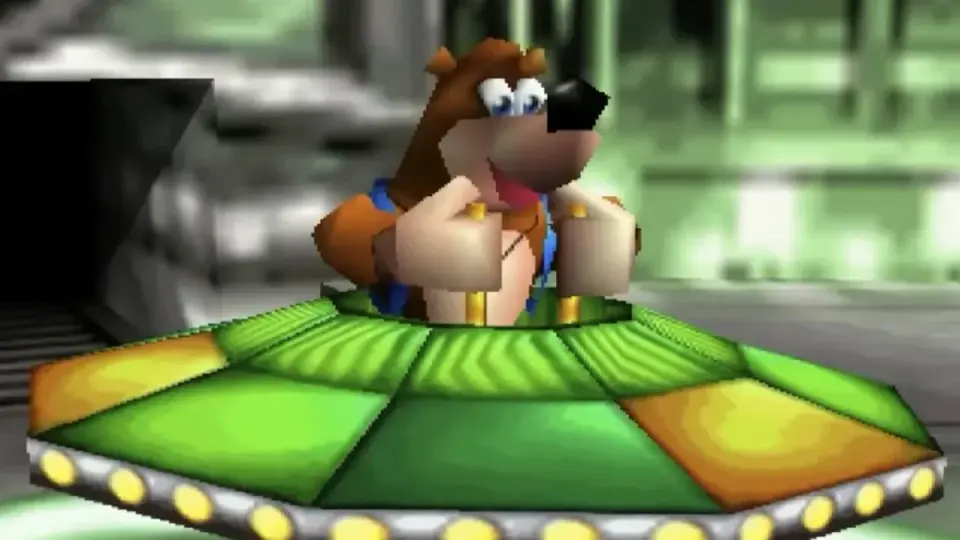
The fan-led recompilation scene for Nintendo 64 classics is facing a backlash against AI-generated ports. Developers behind the high-quality 'Zelda: Recompiled' and 'Banjo: Recompiled' projects have publicly distanced themselves from new, AI-assisted releases like 'Banjo-Tooie Recompiled,' citing poor quality and ethical concerns.
Key points
- Argentinian developer DarioSamo, a lead on the human-led 'Banjo: Recompiled' project, stated that the new 'Banjo-Tooie Recompiled' release is entirely AI-generated and unaffiliated with his team.
- Critics argue that AI 'vibe-coded' ports produce buggy, unreadable code that ignores existing modding systems, making long-term maintenance impossible.
- The controversy has led to the creation of community lists distinguishing human-made recompilations from AI-generated 'slopcomps' to preserve the integrity of the scene.
- The backlash extends beyond N64 games, with other open-source emulation projects like RPCS3 banning AI-generated code submissions due to quality issues.
Background
This conflict follows a broader trend in 2026 where AI tools are increasingly used in software development, often leading to debates about quality and ethics. Previous incidents, such as the backlash against AI prototyping in game art and the rise of AI coding agents, have highlighted concerns about the reliability and originality of AI-assisted work.
How outlets are covering it
Kotaku emphasizes the ethical and quality divide between human-led and AI-assisted projects, highlighting DarioSamo's criticism of AI 'vibe-coding' as disrespectful to existing research. FRVR.com expands the scope by noting that AI-generated code is now being banned from major open-source emulation projects like RPCS3, framing the issue as a broader industry problem rather than just a niche fan project dispute. Both sources agree that AI ports are currently inferior in quality and maintainability compared to human efforts.
Why it matters
The rise of AI 'slopcomps' threatens to overshadow and devalue years of meticulous human work in the recompilation community. If low-quality AI ports become the norm, it could hinder modding communities and degrade the preservation of classic games, potentially setting a precedent for AI-generated code in other open-source and creative fields.
What to watch
The human-led teams behind 'Zelda: Recompiled' and 'Banjo: Recompiled' are expected to continue their work without AI, aiming to deliver polished, high-quality ports. The community may see further efforts to distinguish and promote human-made projects, while AI-assisted 'slopcomps' may face increasing scrutiny and rejection from modding and emulation communities.
- Zelda and Banjo Recompiled Devs Go To War With AI Vibe-Coded ‘Slopcomps’ kotaku.com
- Zelda and Banjo PC port devs slam new vibe-coded Banjo-Tooie recompilation Yahoo Tech
- Banjo-Kazooie PC port ‘decomp’ developer says AI-generated PC ports are ‘a race to the bottom’ and ‘disrespectful’ Video Games Chronicle
- Zelda and Banjo Recompiled dev slams the slew of poor-quality “slopcomps” recompilations by vibecoders that “completely fail to reach the same level of quality” frvr.com
Want the full story? Read the original reporting
Read on kotaku.com