
Ocarina of Time Remake Balances Polished Immersion with Retained Quirks
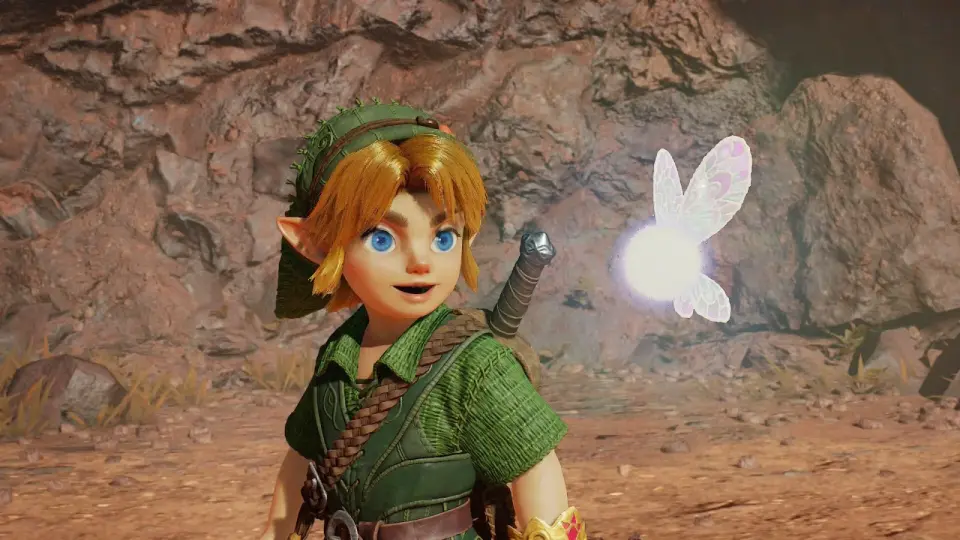
The 2026 Switch 2 remake of The Legend of Zelda: Ocarina of Time removes cross-franchise references like Mario portraits to preserve immersion but retains chaotic mechanics like loud Iron Boots. Producer Eiji Aonuma explains the shift toward a more cohesive world, while fans debate the loss of nostalgic secrets versus the gain of consistent tone.
Key points
- The remake removes Mario and Yoshi portraits from Hyrule Castle, replacing them with a tapestry of the game's adventure, as explained by producer Eiji Aonuma.
- Iron Boots remain in the game, producing loud clanking sounds that disrupt serious cutscenes, a quirk players find amusing despite the remake's polish.
- Bowser-themed pins on characters Malon and Talon are retained, described by Nintendo as part of the original character design rather than a cross-franchise joke.
- The game removes the 3DS-era Skyward Sword art and the Spirit Temple hookshot exploit, aiming for a more standardized and immersive experience.
- Aonuma states that the team avoided explicit references to other Zelda titles to prevent breaking the player's connection to the current world.
Background
The Legend of Zelda: Ocarina of Time remake launched on November 5, 2026, for the Nintendo Switch 2. The release followed a day-one patch and received critical praise for its modernized visuals, orchestral music, and new voice acting. Earlier coverage noted that the game introduced three display modes and real-world ocarina integration, while PC emulators achieved stable 60 FPS performance within 24 hours of launch. The remake is viewed as a strategic move to boost Switch 2 sales during the holiday season, positioning Nintendo against upcoming competitors like Grand Theft Auto VI.
How outlets are covering it
Kotaku highlights the retention of the Iron Boots as a beloved, unintentional goofiness that adds to the game's charm, noting that the sounds are even louder on the Switch 2. Game Informer provides a detailed breakdown of which Easter eggs were kept or removed, emphasizing the removal of Mario portraits and Skyward Sword art while noting the retention of Bowser pins and the butterfly-to-fairy trick. GoNintendo and Nintendo Wire focus on the rationale behind the removals, quoting Eiji Aonuma's explanation that cross-franchise references like Mario portraits could interrupt the player's immersion in the meticulously detailed new world. Aonuma argues that the original 1998 game had a more carefree approach, but the modern remake prioritizes a cohesive experience. While Kotaku celebrates the retained quirks, Game Informer and the Nintendo-focused outlets emphasize the deliberate curation of the game's world, suggesting that the removal of certain references is a conscious design choice to enhance immersion rather than a loss of nostalgia.
Why it matters
The decision to remove cross-franchise references while retaining character-specific designs reflects a broader trend in modern remakes to prioritize immersion and consistency over nostalgic easter eggs. This move signals Nintendo's intent to present Ocarina of Time as a standalone, polished experience rather than a collection of references to other games. The retention of chaotic mechanics like the Iron Boots suggests that Nintendo is willing to keep player-driven silliness if it does not disrupt the core narrative or world-building. This balance between polish and quirk may influence how future remakes and sequels handle legacy content and cross-franchise references.
What to watch
Players will continue to explore the remake's retained and removed features, potentially leading to further discussions about the balance between nostalgia and immersion. The game's performance on PC emulators and its critical reception may influence Nintendo's approach to future remakes and the potential for a Majora's Mask remake, as hinted by the inclusion of Korok-like debris in the Lost Woods. The ongoing debate about the removal of Mario references may also impact how Nintendo handles cross-franchise references in future titles, particularly as the Switch 2 platform matures and the holiday season approaches.
- This Is One Of My Favorite Stupid Details They Kept In The Ocarina Of Time Remake Kotaku
- The Zelda: Ocarina Of Time Easter Eggs That Did And Did Not Make It Into The 2026 Remake Game Informer
- Nintendo explains why certain Zelda and Mario references were pulled from Zelda: Ocarina of Time on Switch 2 GoNintendo
- Zelda: Ocarina of Time remake removes some Mario references to not ‘interrupt the player’s experience’ Nintendo Wire
- "You Don't Want To Interrupt The Player's Experience" - Here's Why Zelda's Switch 2 Remake Cut Some Mario References Nintendo Life
Want the full story? Read the original reporting
Read on Kotaku