
Ampere Analysis Warns $1,000 PS6 and Xbox Helix Could Slash Sales by 38%
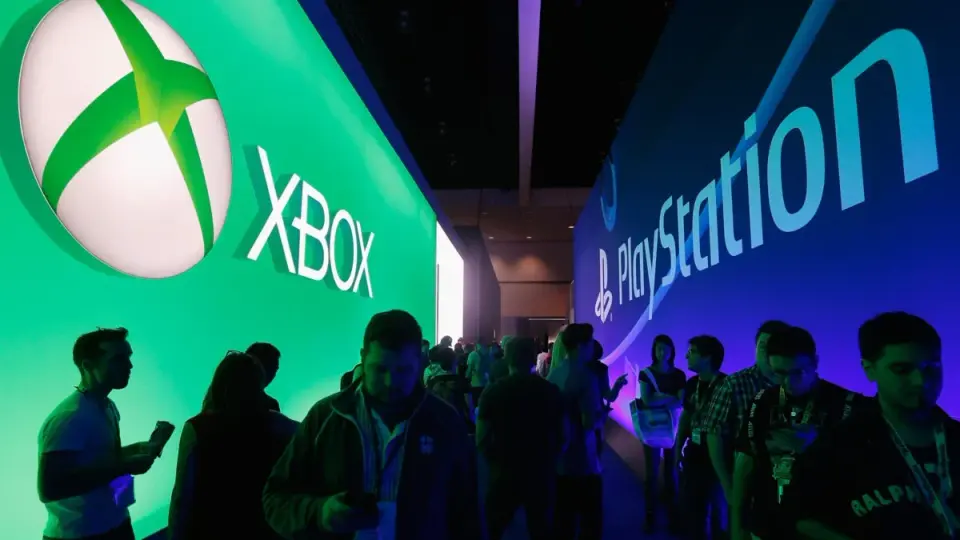
A new report from Ampere Analysis predicts that pricing the next-generation PlayStation 6 and Xbox Project Helix at $1,000 could result in 39 million fewer units sold over the first five years. This price hike, driven by AI-fueled component costs, is expected to shrink the console market by 38% compared to the current generation. Analysts suggest three alternatives: delaying launches, subsidizing hardware, or innovating form factors to avoid a $3.4 billion revenue loss by 2031.
Key points
- Ampere Analysis forecasts a 38% drop in combined PS6 and Xbox Project Helix sales if priced at $1,000.
- The report estimates 39 million fewer consoles will sell over the first five years compared to the PS5 and Xbox Series X|S generations.
- Higher prices could reduce consumer spending on console games and services by $3.4 billion (12%) by 2031.
- Rising memory and storage costs, partly driven by AI data center demand, are forcing potential price increases.
- Ampere suggests three strategies to mitigate this: delaying launches, increasing hardware subsidies, or innovating hardware design.
Background
The current console generation is facing unprecedented cost pressures. As noted in earlier coverage, Sony is ending physical disc support for the PS5 in 2027, signaling a shift in hardware strategy. Meanwhile, Valve’s $1,000 Steam Machine has already demonstrated the niche appeal of high-priced console-like hardware. The broader economic landscape, including AI-fueled infrastructure spending, is driving up component costs, making traditional console pricing models unsustainable.
How outlets are covering it
Kotaku, VGChartz, GameSpot, and Media Play News all cite the same Ampere Analysis report, agreeing on the 38% sales drop and $3.4 billion revenue loss figures. However, they differ in emphasis: Kotaku highlights the difficulty of implementing these changes, noting that hardware designs are already in progress. VGChartz provides specific sales estimates for the current generation (128.67 million units) to contextualize the potential drop. GameSpot focuses on the immediate impact of chip shortages, while Media Play News emphasizes the opportunity for innovation in hardware form factors and monetization models. All outlets agree that the $1,000 price point is a significant risk to the console market's growth.
Why it matters
The potential $1,000 price tag for next-gen consoles could fundamentally alter the console market's accessibility and growth. If Sony and Microsoft cannot mitigate these costs, the industry may face a significant contraction in the player base, impacting not just hardware sales but also game development, subscriptions, and digital content strategies. This could force a reevaluation of how consoles are designed, priced, and marketed in the coming years.
What to watch
Sony and Microsoft will need to decide whether to delay the PS6 and Xbox Project Helix launches beyond 2028, subsidize hardware prices, or innovate their hardware design to keep costs below $1,000. The outcome of these decisions will determine the future of the console market and its ability to attract new players. Additionally, the industry may see a shift towards new monetization models, such as advertising and cloud gaming, to offset higher hardware costs.
- Dire Forecast Predicts Big Drop In Console Sales If PS6 Is $1,000 Kotaku
- Launching PS6 and Xbox Helix at $1,000 could lead to a nearly 40% drop in sales over five years, analyst warns Video Games Chronicle
- Analyst Suggests Launching PS6 and Project Helix at $1,000 Could Lead to a 38% Drop in Sales VGChartz
- $1,000 Consoles Could Have This Dramatic, Negative Effect On Gaming – Report gamespot.com
- Ampere Reports New $1,000 PlayStation, Xbox Consoles Could See Consumer Adoption Drop 38% Media Play News
Want the full story? Read the original reporting
Read on Kotaku