
12TB Steam Data Breach Exposes Decade of Valve Prototypes and Third-Party Betas
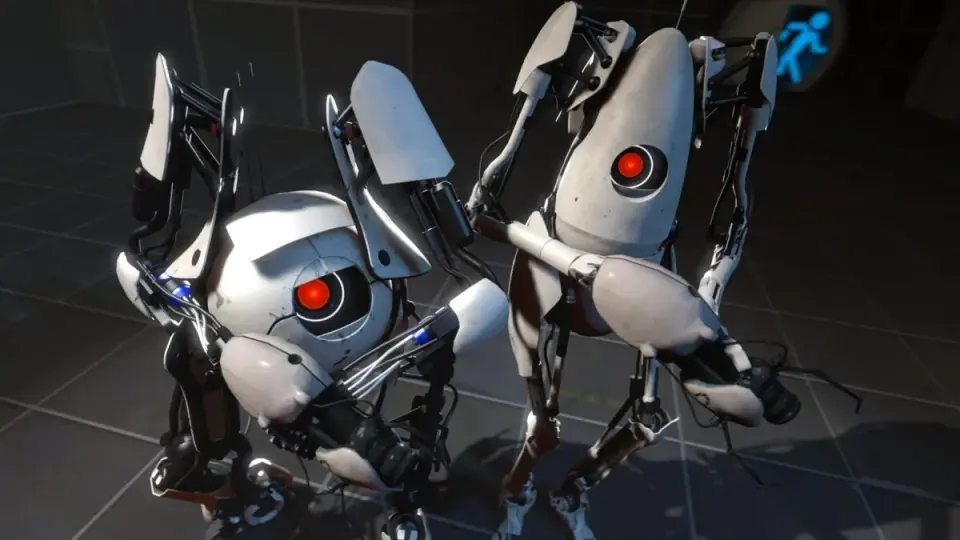
A massive 12TB leak of Steam's legacy 'Steam2' infrastructure has exposed pre-release builds and assets from 2003 to 2013. The data, which includes beta versions of Portal 2, Left 4 Dead 2, and Counter-Strike: Global Offensive, was accessed via an unsecured endpoint rather than a sophisticated cyberattack. While the leak offers a rare look at abandoned concepts like F-Stop and early GLaDOS models, it has also sparked widespread speculation regarding unreleased Half-Life content.
Key points
- The leak, dubbed the 'Steam2 Teraleak,' contains approximately 12-13 terabytes of data spanning the years 2003 to 2013, coinciding with the launch of Steam and the transition to SteamOS.
- According to data miner Gabe Follower, the breach resulted from an incorrectly secured public endpoint on Valve's outdated infrastructure, not a targeted hacking attempt.
- Confirmed contents include beta builds of Portal 2, Left 4 Dead 2, Dragon Age: Origins, and Batman: Arkham Asylum, as well as unreleased game modes for Counter-Strike: Global Offensive.
- The archive contains visual evidence of 'F-Stop,' an abandoned Portal concept involving a mechanical camera, and a 'Weaponizer' asset originally intended for Half-Life 2: Episode Three.
- Third-party titles are also affected, with confirmed beta builds for Sonic 4 Episode II and Fallout: New Vegas appearing in the dump.
Background
This incident follows a period of increased scrutiny on digital platform security, though it is distinct from recent high-profile leaks involving Rockstar Games' GTA 6. The archive dates back to the early era of Steam, which launched in September 2003, and ends around the release of SteamOS 1.0 in December 2013. While previous archive entries covered unrelated topics such as Assassin's Creed sales records and UFC betting odds, this breach represents a significant historical data exposure for the PC gaming industry.
How outlets are covering it
Kotaku and Notebookcheck emphasize the sheer volume of the leak, noting that 12TB of pre-2014 data is substantial given smaller file sizes of that era. Notebookcheck highlights specific technical details, such as the 'Weaponizer' asset and early CS:GO map blockouts, while Kotaku focuses on the community's reaction and the potential for misinformation regarding Half-Life 3. OpenCritic offers a contrasting perspective, focusing less on the technical breach and more on the viral social media response to the leaked GLaDOS model, noting how fans created 'thirst traps' from the early humanoid design. All sources agree that the leak was caused by an unsecured endpoint rather than a malicious attack, but they differ in their emphasis: Kotaku and Notebookcheck focus on the historical value of the game assets, while OpenCritic focuses on the cultural impact of the character design.
Why it matters
This breach provides an unprecedented look at the development history of some of the most influential games in the industry. It reveals how major titles evolved from early prototypes to final releases, offering insights into abandoned mechanics and design choices. For the gaming community, it serves as a digital time capsule, preserving artifacts that were never intended for public consumption. Additionally, it highlights the security vulnerabilities that can exist in legacy infrastructure, even for major platforms like Steam.
What to watch
Valve has not yet issued a formal statement regarding the breach, but the community is actively cataloging the contents on GitHub. Elan Ruskin, a former Valve developer, has addressed the leak, stating that any good ideas from the beta builds were included in the final releases. As the data is large, it will take time for researchers to fully analyze all the contents. There is a risk of misinformation, particularly regarding unreleased Half-Life content, which Kotaku advises should be treated with skepticism. The long-term impact will depend on how Valve addresses the security issue and whether any legal action is taken against those distributing the data.
- Players Think This Is The Biggest Leak In The History Of Steam Kotaku
- Massive 12TB Steam leak reveals decades of unreleased games — archived files include unseen Half-Life 2: Episode 3 builds and assets Tom's Hardware
- Massive 12TB Valve leak just exposed a decade of gaming history and scrapped projects Notebookcheck
- Portal Fans Are Uh, A Little Obsessed With The Leaked GLaDOS OpenCritic
- Steam just suffered what may be the biggest leak in video game history Polygon.com
Want the full story? Read the original reporting
Read on Kotaku