
Tales of Destiny Fans Uncover Lost 1997 Recruitment Secret for Lilith
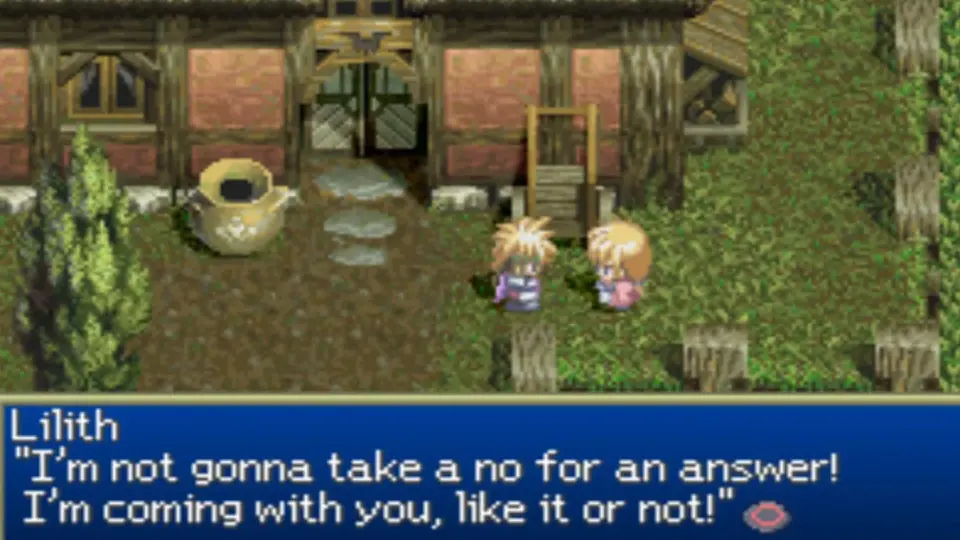
A nearly 30-year-old secret in the 1997 PlayStation RPG Tales of Destiny has been solved. Fans discovered a legitimate, non-cheat method to recruit Lilith Aileron, the protagonist’s sister, in the original version. The discovery, verified by multiple testers and acknowledged by an original developer, reveals that the character was intentionally included but hidden behind complex, undocumented conditions. While the method works in the North American release, the Japanese version requires a workaround due to a soft-lock bug.
Key points
- Japanese fan Azekura discovered a legitimate way to recruit Lilith Aileron in the 1997 PS1 release of Tales of Destiny, a method previously thought impossible without cheats.
- The recruitment requires a 'clean' playthrough: avoiding stealing from homes, following destination prompts, and not getting scolded by party members.
- Lilith joins the party in Part 2 after the player buys a Silver Ladle and completes a specific reunion scene with Philia.
- The original Japanese version soft-locks after recruitment, requiring players to switch to the 'BEST' re-release to continue; the North American version does not have this issue.
- Original producer Jun Toyoda apologized on X, admitting the game shipped with at least five major bugs and that Lilith’s features were meant to be cut but were accidentally left in.
Background
Tales of Destiny, released in Japan in December 1997, has long been considered an obscure entry in the series due to limited modern releases. For years, fans assumed only nine party members were available, with Lilith’s inclusion requiring cheats or being exclusive to the 2006 PS2 remake. This discovery adds to a recent trend of uncovering long-lost secrets in classic RPGs, such as the 2026 identification of a 150-year-old sarcophagus mystery and the genome sequencing of a 194-year-old tortoise, highlighting how new tools and persistence can reveal hidden truths in old data.
How outlets are covering it
Kotaku emphasizes the 'batshit' nature of the find and the apology from developer Jun Toyoda, highlighting the game's buggy state. GamesRadar+ focuses on the complexity of the 26-step guide and the rarity of such deep Easter eggs in modern gaming. Power Up Gaming and TwistedVoxel highlight the collaborative verification by English-speaking fans (SymphoniaLauren, Kevangelion) and the distinction between the Japanese soft-lock and the functional North American version. All sources agree on the legitimacy of the recruitment but differ in emphasis: Kotaku on the developer’s admission, GamesRadar+ on the difficulty of the conditions, and the others on the technical verification across regions.
Why it matters
This discovery proves that long-assumed 'removed' content in classic games may still exist, challenging the narrative of finality in legacy titles. It also highlights the ongoing value of community-driven preservation and testing, as fans continue to uncover secrets decades after release. The developer’s apology underscores the impact of unfinished debugging on player experience, potentially influencing how publishers handle legacy titles and remakes.
What to watch
Testers are currently verifying which specific conditions in the 26-step guide are essential, as Azekura’s initial list may include non-essential steps. Fans are likely to attempt the recruitment in both Japanese and North American versions, with the North American version being more accessible due to the lack of soft-lock. The discovery may also prompt discussions about a modern remake or remaster of Tales of Destiny, as fans express interest in experiencing the game with all its intended content.
- Someone Just Figured Out How To Recruit A Previously Unrecruitable Party Member In A Nearly 30-Year-Old RPG Kotaku
- After 29 Years, Fans Find Official Lilith Recruitment Method in Tales of Destiny Siliconera
- JRPG mystery solved after 29 years as Tales of Destiny fans find a way to recruit a hidden character in the original PS1 version GamesRadar+
- Almost 29 Years Later, Tales Of Destiny Fans Discover Way to Recruit a New Character Power Up Gaming
- Tales of Destiny Players Discover Legitimate Way to Recruit Lilith After Nearly 29 Years TwistedVoxel
Want the full story? Read the original reporting
Read on Kotaku