
Zelda: Ocarina of Time Remake Launches on Switch 2, Preserving Classic Structure with Modern Visuals
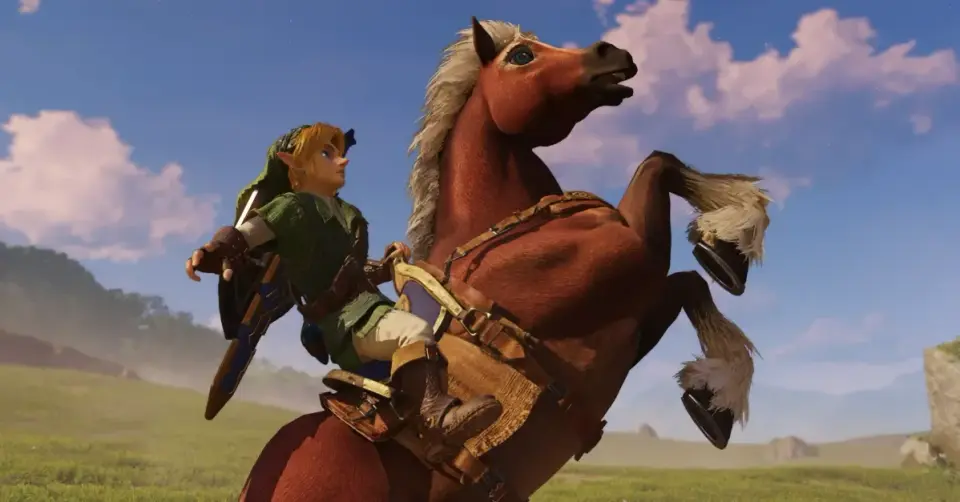
Nintendo’s full remake of The Legend of Zelda: Ocarina of Time launched on November 5, 2026, for the Switch 2. The game retains the original 1998 N64 structure but features a new art style, voice acting, and modernized controls. Critics praise its emotional depth and visual fidelity, while industry analysts view it as a strategic move to boost holiday console sales and counter rising hardware costs.
Key points
- The remake launched on November 5, 2026, for the Nintendo Switch 2, priced at $60 digital and $70 physical.
- Director HokWai Ng and art director Aya Shida emphasized preserving the original gameplay experience while updating visuals to a 'puppet-show' aesthetic.
- The game features fully voiced cutscenes, an orchestral score, and a microphone feature allowing players to hum ocarina tunes.
- Nintendo reported a 52% year-over-year increase in gross profit in its second quarter, despite a 34.4% decline in Switch 2 hardware sales.
- The release coincides with the upcoming launch of Grand Theft Auto VI, though analysts note the games target different audiences.
Background
The original Ocarina of Time launched on the N64 in 1998 and is widely considered one of the most influential games in the franchise. Previous re-releases occurred on the GameCube, Wii U, and 3DS. Recent titles like Breath of the Wild and Tears of the Kingdom shifted the series toward open-world freedom, making this linear remake a notable return to traditional Zelda mechanics. The Switch 2 launched in June 2025, selling approximately 24 million units, but faced hardware price increases due to memory shortages.
How outlets are covering it
The Verge and The Guardian highlight the game’s success in balancing nostalgia with modern accessibility, praising the new art style and emotional depth of voiced cutscenes. The Guardian notes that while the core structure remains unchanged, the enhanced visuals and music elevate the experience. CNN focuses on the commercial strategy, noting that Nintendo is betting on this title to drive Switch 2 sales during the holiday season, especially as hardware prices rose to $500. Industry experts like Joost van Dreunen argue that while the game may not compete directly with Grand Theft Auto VI, it reinforces Nintendo’s brand loyalty. Nintendo’s developers, including director HokWai Ng, emphasized that the goal was to preserve the original experience while using modern technology to enhance the world’s detail and character presence, avoiding a simple graphical upgrade.
Why it matters
The remake demonstrates Nintendo’s ability to leverage classic intellectual property to sustain console sales in a competitive market. It highlights the enduring appeal of traditional game structures and the company’s strategy of balancing innovation with nostalgia. The success of this title may influence future decisions regarding re-releases and the support of older hardware platforms.
What to watch
Nintendo plans a Zelda orchestra concert and movie for next year. The company will likely continue to release exclusive titles to maintain Switch 2 momentum. Analysts will monitor whether the remake helps offset hardware price increases and if it attracts new players to the Zelda franchise.
- The Legend of Zelda: Ocarina of Time never gets old The Verge
- Why Nintendo is betting on a nearly 30-year-old game remake to win the holiday CNN
- The Legend of Zelda: Ocarina of Time review – a dream come true The Guardian
- Ask the Developer Vol. 24: The Legend of Zelda: Ocarina of Time — Part 2 Nintendo
- ‘The Legend Of Zelda: Ocarina Of Time’ Remake Metacritic Review Score Is Historic Forbes
Want the full story? Read the original reporting
Read on The Verge