
Zelda Remake Tops Japan Charts as Critics Debate Its Faithfulness
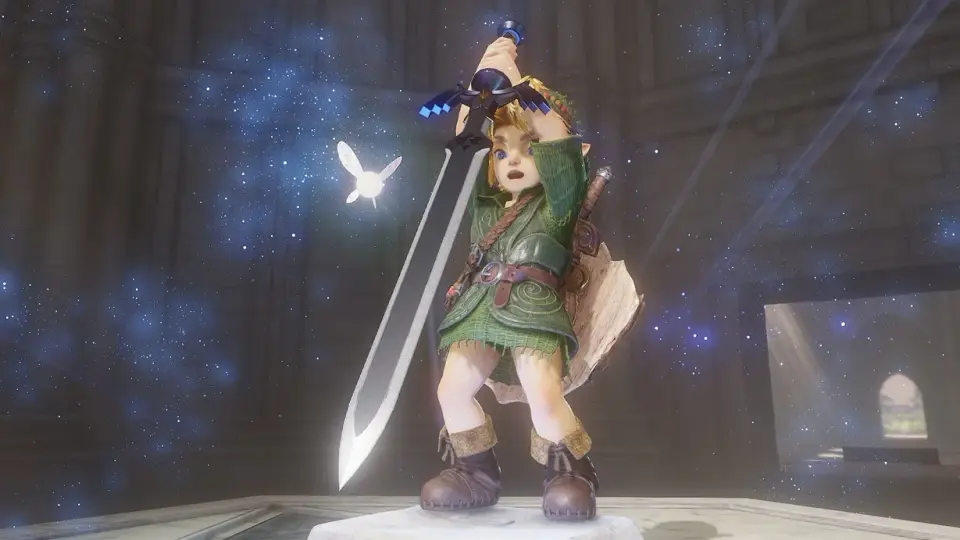
The Legend of Zelda: Ocarina of Time continues to dominate Nintendo Switch 2 sales in Japan, selling 86,097 copies in its second week. While the game is a commercial success, critical reception is divided, with some praising its technical improvements and others criticizing its lack of structural innovation.
Key points
- Zelda: Ocarina of Time sold 86,097 copies in Japan during the week of Nov 9-15, 2026, totaling 623,138 units in two weeks.
- Nintendo Switch 2 hardware sales reached 42,402 units, remaining the top-selling console in Japan despite a week-over-week decline.
- The game is priced at $59.99 and features enhanced visuals, orchestral music, and voice acting, developed in-house by Nintendo EPD.
- Critics note the remake improves combat pacing and controls but retains the original's puzzle structures and tutorialization.
- The release is part of the Zelda 40th Anniversary celebration, which includes a live-action film and concert tour.
Background
The Legend of Zelda: Ocarina of Time remake launched on November 5, 2026, as part of the Zelda 40th Anniversary celebration. It became the fastest-selling game on the Nintendo Switch 2, moving over 5.2 million units globally in its first four days. In Japan, physical copies accounted for roughly 66% of total sales in the first week, highlighting strong demand for physical media. The game also set a new record for user scores on Metacritic.
How outlets are covering it
Nintendo's official announcement emphasizes the game's modern enhancements, including overhauled visuals, orchestral music, and voice acting, positioning it as an entry point for new players. Slant Magazine's review praises the remake's technical achievement and improved pacing but criticizes it for being a 'cautious retread' that fails to innovate structurally, calling it a 'guarded retread' of a landmark game. The Atlantic's essay frames the remake as a 'midlife crisis' for the medium, suggesting it delivers a 'comforting but mistaken dream of childhood's eternal purity' rather than evolving the genre. Famitsu sales data confirms strong commercial performance, with the game topping the software charts and driving Switch 2 hardware sales, though hardware numbers dipped slightly week-over-week. Commenters on Slant Magazine's review are divided, with some calling it the 'best remake ever made' and others accusing the reviewer of 'ragebait' or contrarianism.
Why it matters
The Zelda remake's success highlights the enduring appeal of classic games in a market that often prioritizes originality. Its commercial performance underscores the demand for high-quality remakes, while critical debates reflect broader tensions in the industry between preservation and innovation. The game's impact on Switch 2 sales also indicates Nintendo's continued dominance in the Japanese market, despite competition from PlayStation and Xbox.
What to watch
Monitor ongoing sales performance for Zelda: Ocarina of Time and other Switch 2 titles. Watch for further critical analysis of the remake's long-term impact on the Zelda series and the broader industry. Track the release of other Zelda 40th Anniversary products, including the live-action film and concert tour. Observe if Nintendo's in-house remake approach influences future projects from other studios.
- Famitsu sales (11/9/26 – 11/15/26) – Zelda: Ocarina of Time’s second week of sales are in Nintendo Everything
- Lady Brittany of House Broski heard Link’s call! Nintendo
- ‘The Legend of Zelda: Ocarina of Time’ Review: A Landmark Gets a Loving, Cautious Retread Slant Magazine
- Zelda’s Midlife Crisis The Atlantic
- The Legend of Zelda: Ocarina of Time Remake - A Link To The Past (Review) The Jimquisition
Want the full story? Read the original reporting
Read on Nintendo Everything