
Zelda Remake’s Metacritic Score Plunges Amid Cross-Platform Review Bombing
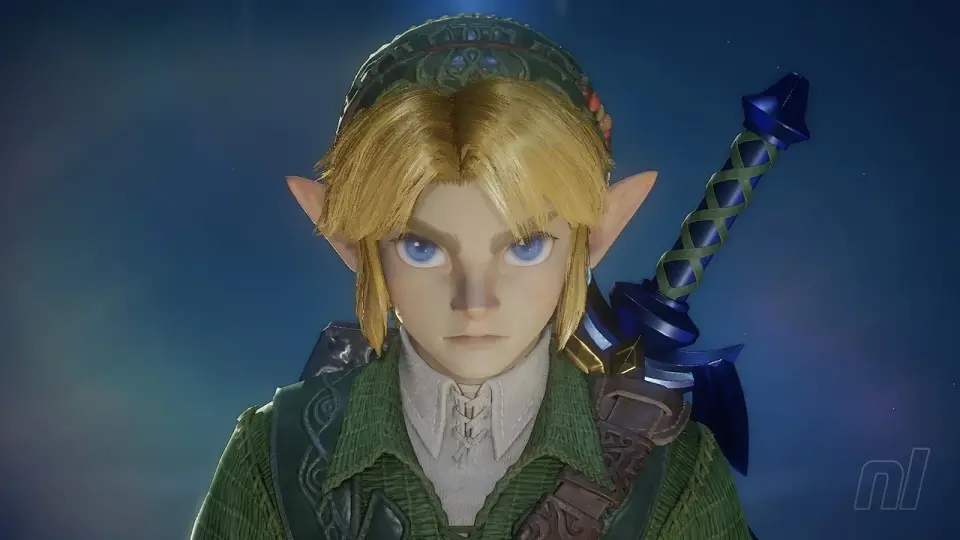
The user score for the *Ocarina of Time* remake on Metacritic has dropped sharply from 9.6 to 8.9, driven by a wave of negative reviews. Commentators attribute this to retaliatory 'review bombing' from fans of *Grand Theft Auto VI*, whose own user scores suffered from complaints about performance and design. Despite the controversy, the game remains a commercial success, topping physical sales charts in Japan and driving strong hardware demand for the Nintendo Switch 2.
Key points
- The Metacritic user score for the *Ocarina of Time* remake fell from 9.6 to 8.9, with some reports noting it dropped to 9.1 before stabilizing.
- The decline is attributed to a surge of 0/10 reviews, many of which explicitly reference *Grand Theft Auto VI* or contain hostile language toward Zelda fans.
- This incident appears to be part of a broader cycle of cross-platform review bombing, where fans of one game retaliate against another after their own title receives low user scores.
- Despite the negative online sentiment, the game remains commercially dominant, selling 86,097 physical copies in Japan in its second week and contributing to Switch 2 outselling the PS5 family nearly four-to-one.
- Critics and fans debate the validity of user scores, with some arguing that the drop reflects genuine disappointment with *GTA VI* rather than targeted harassment, while others view it as malicious trolling.
Background
The *Ocarina of Time* remake launched on November 5, 2026, for the Nintendo Switch 2, featuring full voice acting, an orchestral score, and modernized controls. It initially achieved a 9.6 Metacritic user score, matching its critic score, and was hailed as a technical and artistic success. The game was positioned as a key title to counter declining Switch 2 hardware sales and compete with the highly anticipated *Grand Theft Auto VI*, which launched on PlayStation and Xbox. Prior coverage noted the remake’s critical acclaim and its role in revitalizing interest in the Zelda series, while also highlighting the intense rivalry between Nintendo and Rockstar Games in the current gaming landscape.
How outlets are covering it
Nintendo Life and community comments emphasize that the score drop is the result of malicious 'review bombing' by *GTA VI* fans, citing specific 0/10 reviews that contain anti-Zelda rhetoric. Defector offers a contrasting view, focusing on the positive reception of the remake as a 'work of art' that justifies its existence through attention to detail and nostalgic value, largely ignoring the controversy. Digg provides a commercial perspective, noting that despite the online negativity, the game remains the top-selling physical software in Japan and is driving significant hardware sales for the Switch 2. Nintendo’s official announcement highlights the game’s availability and features, framing it as a definitive entry point for new players, without addressing the user score controversy. The divergence in perspectives highlights a tension between online community behavior and commercial/critical success, with some outlets viewing the score drop as a significant issue and others treating it as irrelevant to the game’s quality or sales.
Why it matters
The incident underscores the growing influence of user scores on public perception and the potential for cross-platform rivalry to distort metrics. It highlights the fragility of online reputation in the gaming industry, where a single game’s score can be manipulated by external factors unrelated to its quality. The commercial success of the *Ocarina of Time* remake despite the controversy suggests that user scores may not fully reflect consumer behavior, but the incident could impact future marketing and consumer trust in aggregate scoring platforms. It also reflects the broader cultural tension between Nintendo and Rockstar Games, with fans engaging in retaliatory behavior that affects both titles. The event may prompt platforms like Metacritic to implement stricter measures against review bombing, potentially changing how user scores are calculated and perceived in the future.
What to watch
The Metacritic user score for the *Ocarina of Time* remake may continue to fluctuate as the review bombing cycle persists or subsides. Metacritic or other platforms may introduce new measures to filter out malicious reviews, potentially restoring the score to its previous level. The commercial performance of the game is expected to remain strong, given its current sales trajectory and hardware demand. *Grand Theft Auto VI* may also see continued user score volatility as the cycle of retaliatory reviews continues. Nintendo and Rockstar Games may issue statements or take action to address the controversy, potentially influencing public perception and future marketing strategies. The incident may also lead to broader discussions about the validity and reliability of user scores in the gaming industry, potentially prompting changes in how these metrics are used and interpreted by consumers and industry stakeholders.
- Ocarina Remake's 'Positive' User Review Score Is Now Under Fire Nintendo Life
- There’s Comfort In Conquering The Past Defector
- Lady Brittany of House Broski heard Link’s call! Nintendo
- The Legend of Zelda: Ocarina of Time (2026) Review MMORPG.com
- Switch 2 outsells the PS5 family nearly four to one in Japan, even on a slower week Digg
Want the full story? Read the original reporting
Read on Nintendo Life