
Isle of Man mother credits equine therapy with aiding son’s development despite rare condition
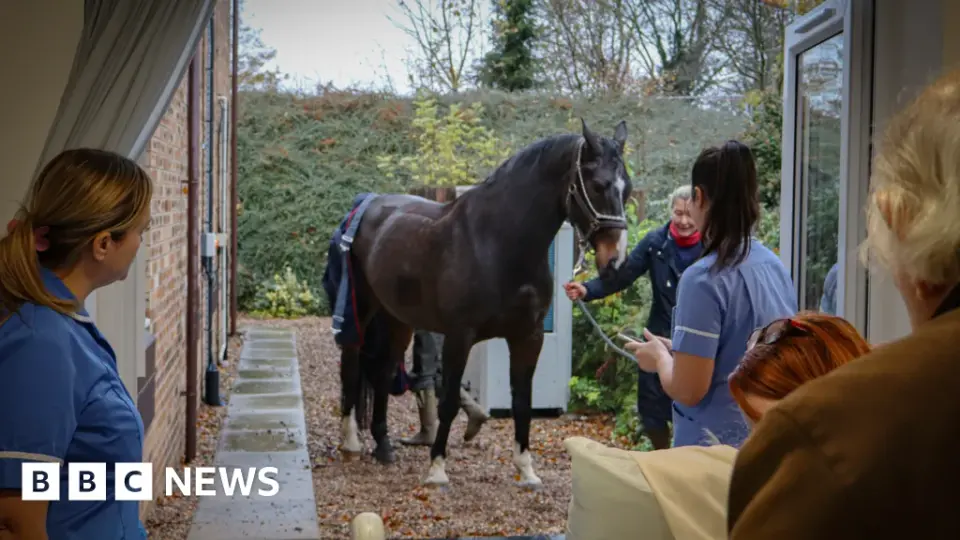
A mother on the Isle of Man reports that a local riding center has significantly supported her son’s development, who suffers from a rare medical condition. The intervention, which involves regular horse visits, has been described as emotionally impactful, bringing 'tears to the eye' for family members. This case highlights the growing role of animal-assisted therapies in pediatric care, particularly for children with complex needs who may not respond to traditional treatments. The mother’s account suggests that the structured interaction with horses provides both physical and psychological benefits, serving as a crucial component of her son’s ongoing care plan.
Key points
- A mother on the Isle of Man states that a riding center has helped her son, who has a rare condition, make developmental progress.
- The therapy involves regular visits to horses, which the family describes as emotionally moving and beneficial.
- The mother’s testimony underscores the value of equine-assisted activities for children with complex medical needs.
- The story is linked to Wakefield Hospice, suggesting a connection between palliative care support and therapeutic interventions for young patients.
- The mother’s emotional reaction, described as bringing 'tears to the eye,' indicates the profound impact of these sessions on the family.
Background
Equine-assisted therapy is increasingly recognized in healthcare for its benefits in motor skills, emotional regulation, and social interaction for children with disabilities or rare conditions. While specific details about the son’s condition are not disclosed in the source, such therapies are often used as complementary care alongside medical treatments. The mention of Wakefield Hospice suggests a broader context of supportive care networks that extend beyond traditional hospital settings, incorporating community-based and animal-assisted programs to improve quality of life for patients and their families.
Why it matters
This story illustrates the critical role of non-traditional therapies in pediatric care, particularly for children with rare conditions that may lack standardized treatment protocols. It highlights how community-based interventions, such as equine therapy, can provide significant developmental and emotional benefits, offering hope and improved quality of life for families. The emotional impact described by the mother underscores the human element of such care, reminding healthcare providers and policymakers of the value of holistic approaches in treating complex medical cases.
What to watch
The family is likely to continue their sessions at the riding center, with ongoing monitoring of the son’s developmental progress. There may be further advocacy for the inclusion of equine therapy in broader healthcare plans for children with rare conditions, potentially leading to increased funding or insurance coverage for such services. The mother’s story may also inspire other families to explore animal-assisted therapies as part of their care strategies.
Want the full story? Read the original reporting
Read on BBC