
ESA Petitions US Trade Officials to Blacklist Anbernic for Facilitating Hardware Piracy
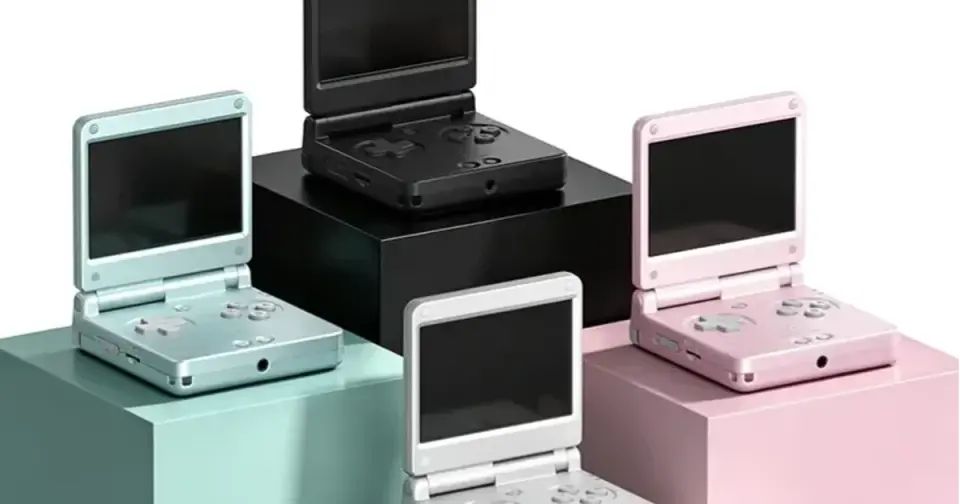
The Entertainment Software Association (ESA) has formally requested that the Office of the United States Trade Representative (USTR) add Chinese retro console manufacturer Anbernic to the annual Notorious Market List. The trade group argues that Anbernic devices are frequently sold with pre-loaded memory cards containing thousands of unauthorized game copies, a practice they classify as 'superfake' commercial-scale piracy. While Anbernic does not include pirated content in devices sold directly from its own website, the ESA contends that third-party retailers and mainstream marketplaces normalize this behavior by bundling illicit software with polished hardware. If accepted, the designation could trigger import restrictions or Section 301 investigations, potentially blocking Anbernic products from US retail channels like Amazon and eBay. The ESA also urged the USTR to target other piracy enablers, including cracked game sources and commercial cheat markets, and proposed seven enforcement steps for governments and market operators.
Key points
- ESA submitted a filing to the USTR recommending Anbernic be added to the Notorious Market List for facilitating substantial copyright piracy.
- The ESA argues that Anbernic devices are 'routinely offered or shipped' with removable memory cards preloaded with hundreds or thousands of unauthorized game copies.
- The trade group classifies these plug-and-play consoles as 'superfakes,' claiming they divert sales from authorized games, subscriptions, and licensed retro hardware.
- Anbernic suspended US shipments last year due to tariffs, but the ESA notes that third-party sellers continue to distribute ROM-laden devices through ordinary retail channels.
- The ESA requested seven specific enforcement actions, including inspecting bundled storage media, suspending repeat sellers, and coordinating action against manufacturers and importers.
- The petition also targets other categories, including 'cracked game sources,' 'torrent markets,' and 'unauthorized digital goods marketplaces,' specifically naming G2A for facilitating account sales.
Background
This development follows a broader trend of trade bodies targeting hardware that enables piracy. In September 2026, Anbernic unveiled the RG DS Plus, a dual-screen handheld priced under $100, which has drawn scrutiny for its near-identical design to the Nintendo 3DS. Previously, in 2025, Anbernic suspended US shipments due to tariff regimes, though those tariffs were later struck down as unconstitutional by the Supreme Court, leading to refund disputes. The current ESA filing marks the first time the organization has emphasized the 'superfake' category in its submissions, shifting focus from software-only piracy to hardware-enabled distribution.
How outlets are covering it
GamesIndustry.biz reports that the ESA views Anbernic’s devices as 'superfakes' that normalize piracy by delivering illicit catalogues through polished consumer products, shifting monitoring and remediation costs to publishers. Ars Technica offers a contrasting view, noting that Anbernic itself does not include pirated ROMs in devices sold directly from its website, and that third-party sellers are the primary culprits. Ars Technica argues that focusing on the hardware manufacturer is an odd choice when centralized e-commerce sites could better prevent the wholesale distribution of illegal ROMs. Retro Dodo suggests that the ESA may be targeting Anbernic due to its high volume of imported units, while acknowledging that pre-loaded SD cards are still common among smaller manufacturers and AliExpress sellers. Retro Dodo also notes that Italy has previously seized 12,000 Anbernic products, indicating prior international enforcement efforts.
Why it matters
If the USTR accepts the ESA’s recommendation, Anbernic could face import restrictions or Section 301 investigations, which would significantly impact its ability to sell devices in the US market. This could disrupt distribution through major retailers like Amazon and eBay, where Anbernic products are widely available. The broader implications include potential enforcement actions against other piracy enablers, such as cracked game sources and commercial cheat markets, which the ESA also targeted in its filing. The outcome could set a precedent for how hardware manufacturers are held accountable for piracy facilitated by third-party sellers, potentially reshaping the retro handheld market in the US.
What to watch
The USTR will review the ESA’s filing and decide whether to add Anbernic and other targeted entities to the Notorious Market List. If included, the list could encourage responsible authorities to step up efforts to combat piracy and counterfeiting, potentially leading to import controls or legal consequences. The ESA has also proposed seven steps for governments and market operators, including inspecting bundled storage media and suspending repeat sellers, which could be implemented if the USTR accepts the recommendations. Anbernic may face increased scrutiny from customs and market operators, potentially affecting its global distribution strategy.
- ESA flags retro console maker Anbernic for inclusion on US government's Notorious Market List GamesIndustry.biz
- ESA targets Anbernic emulation handhelds as "superfake" piracy enablers Ars Technica
- Entertainment Software Association Requests U.S. Trade Investigate Anbernic's 'Superfake' Handheld Emulator Market Time Extension
- US government told to flag retro handhelds loaded with pirated games as a ‘notorious market’ Video Games Chronicle
- US Trade Office Told To Target ANBERNIC Over "47 Million Pirated Games" Retro Dodo
Want the full story? Read the original reporting
Read on GamesIndustry.biz