
Bill Simmons Ends ChatGPT Deal After Ringer Staff and Fans Voice Discomfort
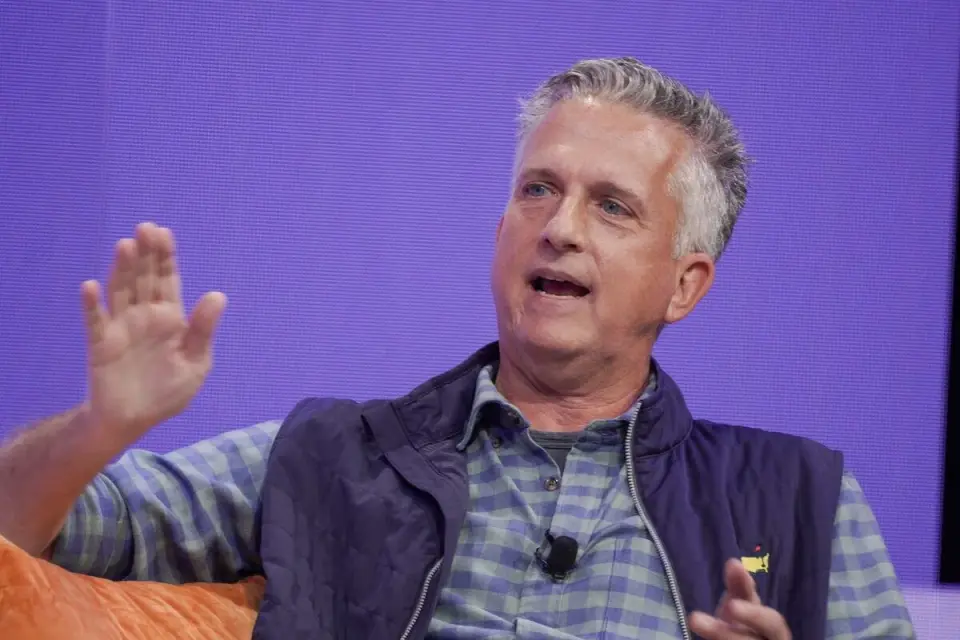
Bill Simmons, CEO of The Ringer, terminated a partnership with OpenAI following significant backlash from fans and staff. The controversy stemmed from Simmons using ChatGPT to mimic the late film critic Roger Ebert for on-air segments. While OpenAI has spent approximately $11.2 million on podcast ads recently, this incident highlights growing resistance among some podcasters and audiences to AI integration in media.
Key points
- Bill Simmons canceled his collaboration with OpenAI after facing backlash from The Ringer’s audience and internal staff.
- The dispute centered on Simmons using ChatGPT to simulate the voice and opinions of film critic Roger Ebert, who died in 2013.
- Sean Fennessey, co-host of The Rewatchables, publicly expressed discomfort with the use of AI to mimic a deceased public figure.
- OpenAI has invested an estimated $11.2 million in podcast advertising over the last three months, but this case shows not all hosts support such promotions.
- The incident was discussed on The Big Picture, where host Sam Fragoso questioned the hosts about their feelings regarding Simmons’ AI usage.
Background
This development follows a broader trend of public scrutiny regarding AI in media, including recent bans on autonomous AI agents in dating apps and backlash over brand partnerships involving AI or sensitive content. The Ringer’s internal conflict mirrors wider industry debates about the ethical boundaries of using AI to replicate deceased personalities or influence public discourse.
Why it matters
The cancellation signals a potential shift in how media companies approach AI partnerships, particularly when audience trust and ethical concerns regarding the mimicry of deceased figures are involved. It may influence OpenAI’s future advertising strategies and highlight the limits of AI adoption in entertainment journalism.
What to watch
OpenAI may reassess its podcast advertising approach to avoid similar controversies, while The Ringer may face ongoing scrutiny regarding its use of AI in content creation. The incident could set a precedent for other media companies evaluating the risks of AI-driven content that mimics real or historical figures.
Want the full story? Read the original reporting
Read on Bloomberg.com