
Ford Racing Validates Hypercar V8 Performance via Virtual Le Mans Lap Simulation
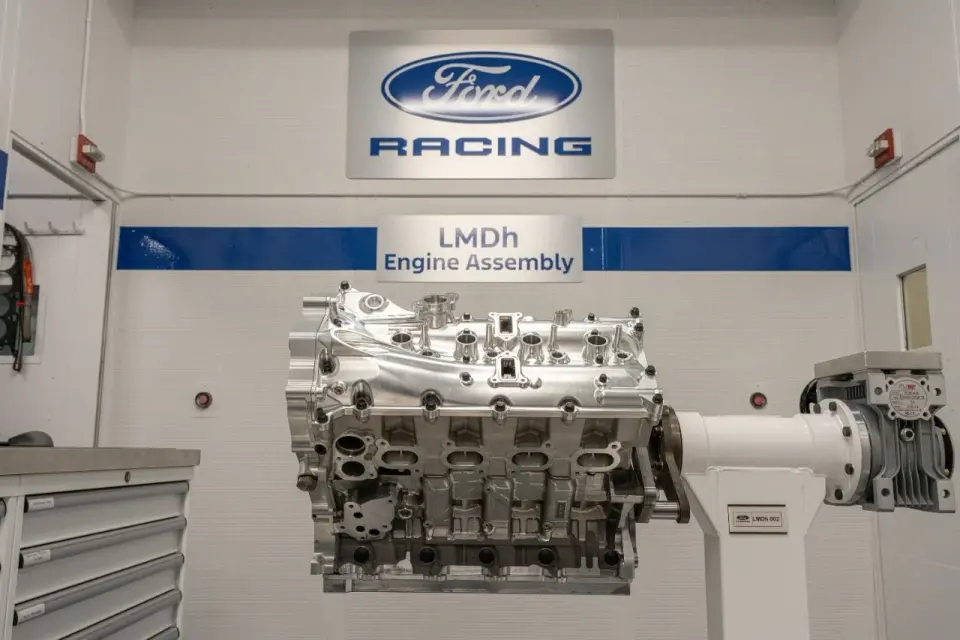
Ford Racing has utilized a virtual proving ground in Dearborn, Michigan, to simulate a full lap of the Circuit de la Sarthe using its 5.4-liter Coyote-based V8 engine. This development phase, which includes driver-in-the-loop testing in North Carolina, aims to refine reliability and performance before the car’s 2027 World Endurance Championship debut.
Key points
- The 5.4-liter naturally aspirated V8 engine was tested on a dyno in Dearborn, simulating a complete lap of the Le Mans circuit in real-time.
- The simulation replicates specific track zones, including the Mulsanne Straight and Ford Chicane, with the engine reaching 9,000 rpm.
- Ford Racing is using data from professional drivers on multi-million-dollar simulators to account for human driving nuances and resource management variations.
- Driver preparation is occurring at the Technology Centre in North Carolina using a full-scale cockpit mock-up, or 'buck,' to refine ergonomics and visibility.
- The current development phase is part of a broader program that will culminate in the car’s first race in the FIA World Endurance Championship in 2027.
Background
Ford Racing previously confirmed the use of a Coyote-based V8 for its Hypercar program and reported the engine’s first firing in July 2026. The current development phase follows the initial engine validation and precedes the first on-track testing in France, which is scheduled for the upcoming month. This effort is part of Ford’s return to the top class of endurance racing, a category it last competed in during the 1960s with the GT40.
How outlets are covering it
Ford Racing emphasizes the historical continuity of its development process, noting that the current dyno cell is located near the site of the original GT40 development work. The Drive highlights the strategic advantage of using human-driven simulator data to account for the varying styles of the three drivers per car in a 24-hour race. Road & Track focuses on the technical details of the simulation, including the engine’s 9,000 rpm redline and the potential preview of the car’s aerodynamic design via the simulator’s bodywork. 24 Heures du Mans underscores the importance of reliability and performance data collection before on-track testing, framing the virtual lap as a critical step in preparing for the 13.626-kilometer circuit.
Why it matters
This virtual testing phase is critical for Ford Racing to identify and resolve potential engine issues before the car’s first physical test in France. By simulating the demands of the Le Mans circuit, Ford can optimize the engine’s performance and reliability, which are essential for competing in the 24 Hours of Le Mans. The success of this development phase will determine Ford’s readiness for its 2027 return to the FIA World Endurance Championship, a significant milestone for the brand in endurance racing.
What to watch
Ford Racing is scheduled to conduct its first on-track test in France within the next month. Following this, the car will be prepared for its debut in the FIA World Endurance Championship in 2027, with the 24 Hours of Le Mans race scheduled for June 12, 2027. The team will continue to refine the car’s performance based on data from both virtual and physical testing.
- A Lap of Le Mans, Without Leaving Dearborn fromtheroad.ford.com
- Watch Ford’s Hypercar V8 Rev Through a Lap of Le Mans on the Dyno The Drive
- Listen to Ford’s Le Mans Engine Roar Through a Simulated Lap Road & Track
- Ford Racing Recreates a Lap of the 24 Hours of Le Mans Circuit 24 Heures du Mans
- Ford Le Mans hypercar sounds amazing during simulated lap testing The Supercar Blog
Want the full story? Read the original reporting
Read on fromtheroad.ford.com