
Smart Home Cameras Are Turning House Showings Into Surveillance Zones
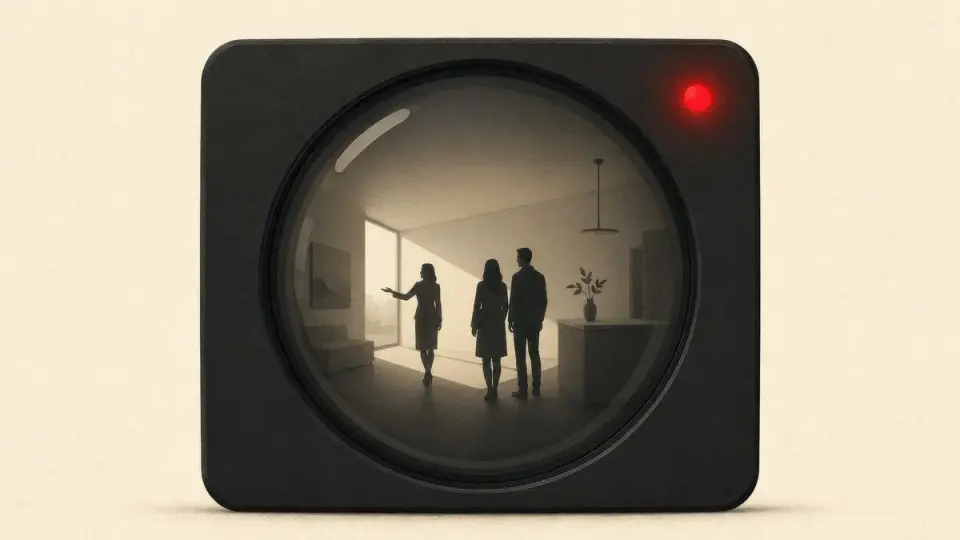
A LendingTree survey reveals that 72% of homebuyers suspect or see recording devices during tours, while 56% of sellers admit to keeping them active. This practice, often justified by sellers as security, frequently involves eavesdropping to gauge buyer interest or strategy. Such surveillance creates a tense dynamic where buyers withhold opinions to protect negotiations, potentially stalling deals. Legal risks exist in states with strict consent laws for audio recording, though enforcement remains weak. Experts advise buyers to treat showings as public spaces and avoid discussing financial details or emotional reactions on-site.
Key points
- 72% of homebuyers report seeing or suspecting cameras during tours, while 56% of sellers admit to active recording devices.
- 19% of sellers use audio to monitor buyer preferences, and 18% gauge interest, despite 61% claiming security is the primary motive.
- 22% of buyers avoid discussing budgets or offer strategies on-site, and 22% suppress enthusiasm to prevent influencing negotiations.
- Audio recording without consent may violate state wiretapping laws and real estate ethics codes, though enforcement is currently limited.
- Some brokerages now require sellers to sign agreements prohibiting listening in, and MLS listings should note surveillance presence.
Background
This issue arises against a backdrop of increasing smart home integration, including Apple’s planned Home Hub with facial recognition cameras and various AI-driven wearables. While privacy-first security options exist, the trend toward integrated audio and video surveillance in residential settings has intensified concerns about consent and privacy during real estate transactions.
Why it matters
The normalization of surveillance during home tours fundamentally alters the negotiation landscape. Buyers are forced to self-censor, which can reduce the emotional connection necessary for a sale and provide sellers with tactical advantages. This shift raises significant legal and ethical questions regarding privacy in private spaces, potentially leading to failed deals and increased friction in the housing market.
What to watch
Expect continued tension between sellers and buyers over surveillance practices. Legal challenges may arise as more buyers become aware of their rights regarding audio consent. Brokerages may tighten policies, and sellers might face increased scrutiny or liability if recordings are used to influence negotiations or if privacy laws are violated.
Want the full story? Read the original reporting
Read on Realtor.com