
Smart Home Cameras Are Turning Real Estate Showings Into High-Stakes Negotiations
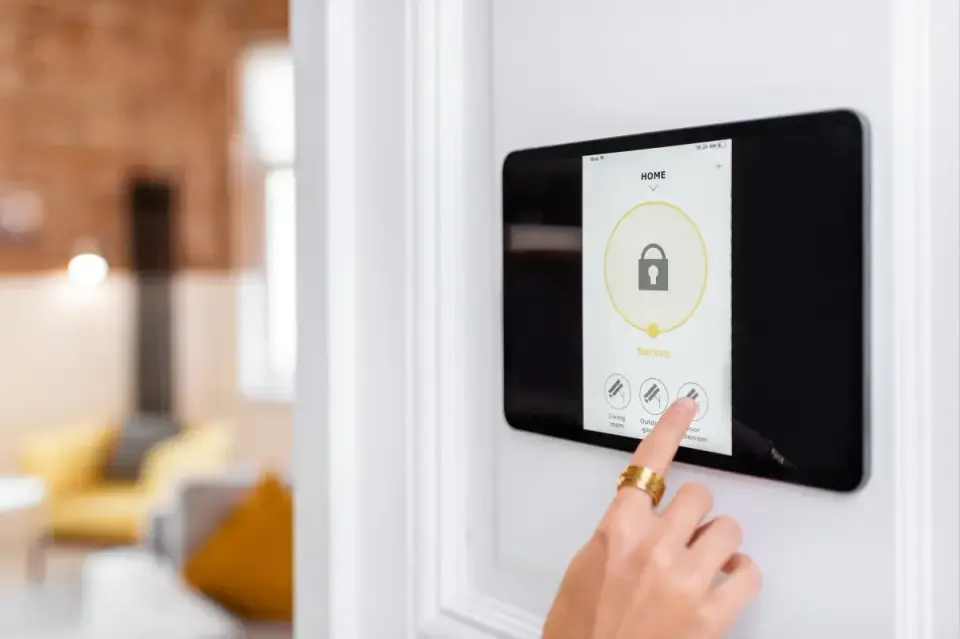
A significant number of home sellers are using smart security cameras and microphones to monitor potential buyers during property tours. While many claim this is for security, a substantial portion admit to eavesdropping to gauge buyer interest or gather negotiation leverage. This practice has led to a tense dynamic where buyers often withhold financial details and emotional reactions to avoid influencing the seller, potentially derailing deals. Legal concerns arise because many states require consent for audio recording, yet enforcement of disclosure rules remains uneven.
Key points
- 72% of recent homebuyers have seen or suspected recording devices during tours, while 56% of sellers admitted to having active recording devices during walkthroughs.
- 19% of sellers admitted using devices to listen in on buyers to assess their interest, and 18% aimed to gauge buyer enthusiasm.
- 22% of buyers avoid discussing offer strategies or budgets inside the home, and another 22% suppress excitement to avoid influencing negotiations.
- Audio recording without consent may violate state wiretapping laws, yet some brokerages now require sellers to sign agreements not to listen in, though enforcement is inconsistent.
- Sellers sometimes use footage to protect property, such as proving a child damaged a fixture, but eavesdropping can also lead to emotional reactions that cause them to reject offers.
Background
This issue builds on earlier concerns about the expanding use of smart home technology, including Apple's planned Home Hub with cameras and Samsung's AI-ready glasses, which highlight the broader integration of surveillance and audio capture into daily life. The current trend in real estate represents a specific application of these technologies, where the line between security and invasive monitoring is blurred, raising questions about privacy and consent in private transactions.
Why it matters
The use of smart cameras in home showings fundamentally alters the power dynamic between buyers and sellers. Buyers are forced to act as if they are in a public negotiation, withholding critical information that could affect pricing and terms. This creates a less transparent market, potentially leading to failed deals or overpaying due to strategic silence. Furthermore, the legal ambiguity surrounding audio recording in private homes poses risks for both parties, as sellers may inadvertently violate privacy laws while buyers face a chilling effect on their ability to negotiate openly.
What to watch
Expect increased pressure on real estate brokerages to enforce stricter policies regarding audio recording during showings. Buyers may continue to adopt more cautious behaviors, such as communicating only via text during tours, while sellers might face more legal challenges if they are found to have recorded without consent. The industry may see a push for clearer disclosure standards in MLS listings and more robust training for agents on privacy compliance.
Want the full story? Read the original reporting
Read on New York Post