
Pakistan and Sri Lanka prioritize long-term WTC strategy over immediate results in Rawalpindi
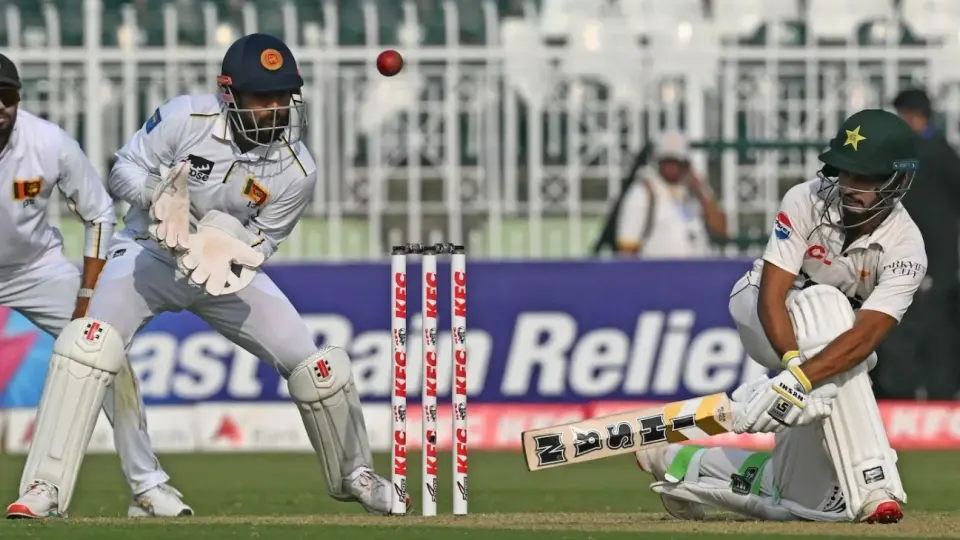
Pakistan and Sri Lanka are using their current World Test Championship (WTC) cycle to develop new generations of players, accepting poor standings to prepare for future competitions. In Rawalpindi, Pakistan fielded multiple debutants, including 20-year-old Tayyab Arif, while Sri Lanka appointed Kusal Mendis as captain to build experience. Both teams have effectively conceded the current WTC finals race, focusing instead on long-term squad rotation and skill development for the next cycle.
Key points
- Pakistan and Sri Lanka are both near the bottom of the current WTC standings, with Pakistan winning two of nine Tests and Sri Lanka winning one of six, making a finals run unlikely.
- Pakistan has fielded 12 debutants in a single calendar year, a record for the nation, including 20-year-old Tayyab Arif, who scored 57 runs in his first Test.
- Sri Lanka appointed Kusal Mendis as Test captain, replacing Dhananjaya de Silva, to allow Mendis to gain leadership experience before the next WTC cycle begins in 2026.
- Sri Lanka selected a seam-heavy bowling attack on a green track in Rawalpindi, a tactical shift aimed at developing seam bowlers for future series against South East Asian nations.
- Babar Azam stated that Pakistan's selection decisions, including the inclusion of uncapped players, were driven by WTC planning rather than immediate match outcomes.
Background
The World Test Championship, introduced seven years ago, has increasingly influenced long-term strategic planning for lower-ranked Test nations. Previously, series between Pakistan and Sri Lanka were viewed as standalone competitions, but now they serve as developmental platforms. This shift reflects a broader trend where teams prioritize future cycle preparation over current standings, even when it means fielding inexperienced squads or unconventional tactics.
Why it matters
The WTC is reshaping how lower-ranked Test nations approach their schedules, turning immediate matches into long-term developmental opportunities. This strategy could strengthen the competitive depth of global Test cricket by ensuring a steady pipeline of experienced players, even if it means accepting short-term losses. The success of this approach will determine whether the WTC can sustain interest and relevance beyond the traditional powerhouses.
What to watch
Pakistan and Sri Lanka will continue to rotate players and test new tactics in upcoming matches, focusing on building experience for the next WTC cycle. Sri Lanka will monitor Kusal Mendis' performance as captain across formats, while Pakistan will assess the progress of its new debutants. The next WTC cycle begins in mid-2026, and both teams will aim to have a more experienced and cohesive squad by then.
Want the full story? Read the original reporting
Read on Cricinfo