
Pinkbike Readers Reject Short Chainstays, Favoring Longer Geometry for Stability
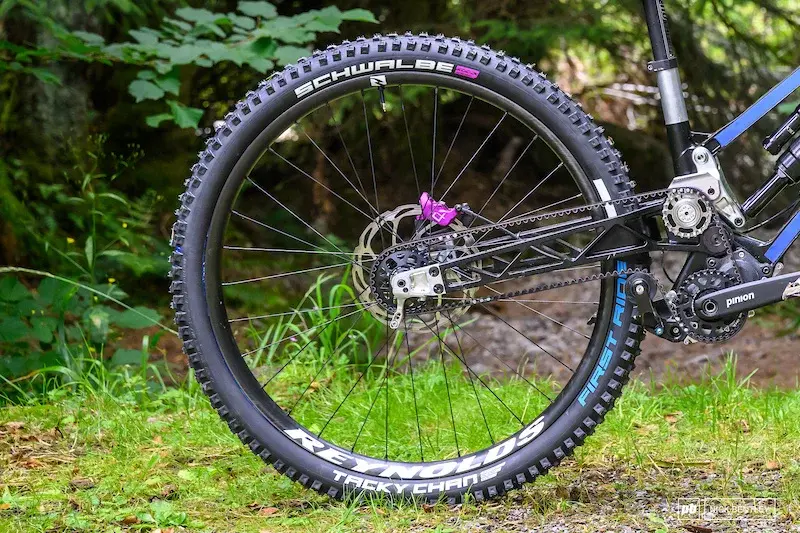
Pinkbike readers voted for longer chainstays across all frame sizes, rejecting the industry trend toward shorter stays. The poll results suggest a preference for stability and front-wheel grip, though critics argue the data is flawed due to lack of standardized testing and kinematic adjustments.
Key points
- Pinkbike conducted a reader poll to determine ideal chainstay lengths, with results showing a clear preference for longer stays (440-445mm for medium frames) over the current industry norm of 432-435mm.
- Commenters argue that shorter chainstays, popularized in the late 2010s, compromise front-wheel grip and cornering stability, especially on slacker head-angle bikes.
- Several readers highlighted that chainstay length is not an isolated metric; it must be balanced with reach, head angle, and suspension kinematics to maintain proper weight distribution.
- Critics of the poll noted that many respondents likely lack the technical knowledge to adjust suspension settings, rendering their opinions on geometry less reliable.
- Some users suggested that adjustable chainstay dropouts, similar to those on Transition or RAAW bikes, could solve the debate by allowing riders to customize their setup without buying multiple bikes.
Background
This debate follows a broader industry shift toward shorter chainstays in the late 2010s, which prioritized agility and quick handling. Recent discussions on Pinkbike have also touched on how e-bikes and trail sanitization affect rider skill progression, though the current focus is strictly on geometry preferences. The poll aims to quantify whether the market's move toward shorter stays aligns with rider preferences or if a correction toward longer stays is needed.
Why it matters
The poll results may influence future frame designs, potentially reversing the trend toward ultra-short chainstays. Manufacturers might consider offering adjustable dropouts or longer standard stays to accommodate riders who prioritize stability and front-wheel grip over raw agility. This could impact the market for enduro and downhill bikes, where geometry significantly affects performance on steep terrain.
What to watch
Manufacturers may respond by offering more adjustable chainstay options or revisiting their geometry standards. Further discussions may focus on how to integrate adjustable dropouts without negatively affecting suspension kinematics or increasing production costs. The debate may also extend to other geometry metrics, such as reach and head angle, as riders seek to optimize their setups for specific riding styles.
Want the full story? Read the original reporting
Read on Pinkbike