
Study Finds Chain Dynamics, Not Suspension, Drive Most Pedal Kickback
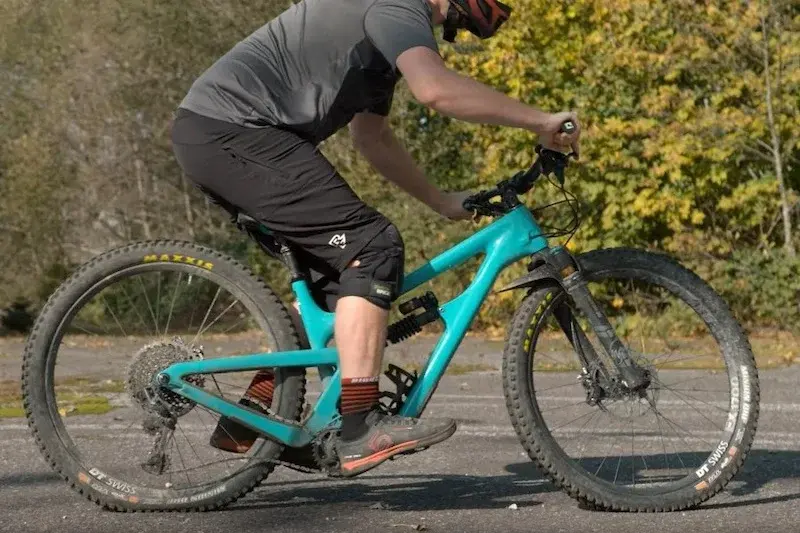
A new open-access study analyzed on a downhill bike to determine the causes of pedal kickback. The research found that traditional kickback caused by cassette engagement is rare. Instead, the primary feedback comes from chain slap and cassette rotation due to chain line extension. The study suggests that crank-based solutions like OChains are more effective than hub-based devices for mitigating these forces. While the findings challenge popular marketing narratives, experts debate the role of anti-squat and chain growth in high-performance setups.
Key points
- The study measured crank torque and identified four mechanisms for pedal feedback, finding that traditional kickback from cassette engagement was infrequent.
- The most common cause of feedback was chain slap and cassette rotation resulting from chain line extension during suspension compression.
- Crank-based devices, such as OChains, were highlighted as more effective at mitigating these forces compared to hub-based solutions like the DT Degrees of Freedom system.
- The research was conducted on a single downhill bike, leading to criticism that the results may not apply to high anti-squat or enduro setups.
- The findings contradict previous marketing claims that pedal kickback is a major performance issue, suggesting that perceived feedback is often related to chain noise rather than true mechanical kickback.
Background
This story follows earlier discussions in the cycling community about the efficacy of various drivetrain and suspension technologies. While previous articles have covered new pedal systems and performance reviews, this specific debate centers on the physics of pedal feedback. The current study builds on earlier anecdotal evidence and previous analyses, such as those by Cass Labs, to provide a scientific basis for understanding drivetrain feedback. It also relates to broader discussions about the value of expensive components in mountain biking, where riders often seek gadgets to improve performance or comfort.
Why it matters
The findings challenge the marketing narratives of major cycling brands that promote expensive solutions for pedal kickback. By identifying chain dynamics as the primary cause of feedback, the study suggests that riders may be spending money on ineffective solutions. It also highlights the importance of understanding the physics behind bike performance, rather than relying on anecdotal evidence or marketing claims. This could influence future product development and consumer choices in the mountain biking industry.
What to watch
The study is open access, allowing readers to review the data and draw their own conclusions. Future research may need to test these findings on a wider range of bikes, including high anti-squat and enduro setups, to determine the generalizability of the results. Additionally, there may be further debate among experts and riders about the role of anti-squat and chain growth in pedal feedback. The cycling industry may also see a shift in the development of drivetrain and suspension technologies based on these findings.
Want the full story? Read the original reporting
Read on Pinkbike