
The Enduring Allure of Workwear in Modern Fashion
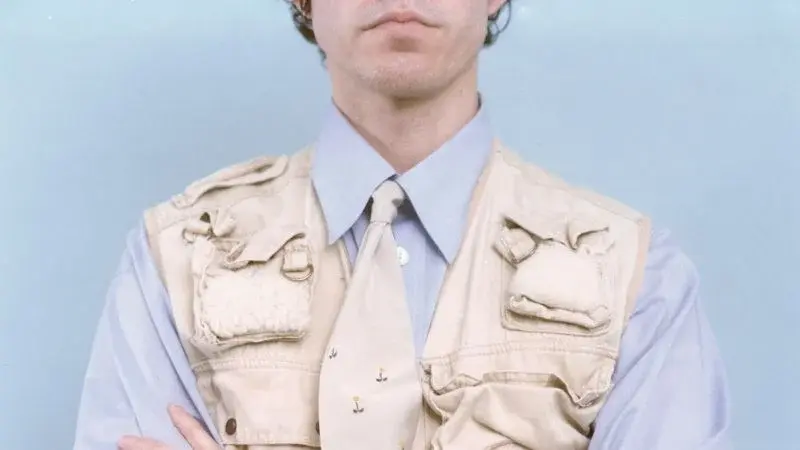
Despite the decline of blue-collar jobs in the US, workwear remains a dominant fashion trend. The article explores the historical roots of items like jeans and Dr. Martens, tracing their origins to mining, military, and maritime industries. It highlights how artists and post-war culture popularized these garments, leading to a modern obsession with brands that emulate utilitarian aesthetics without the original functional purpose.
Key points
- Blue-collar employment in the US dropped from 76% to 25% between 1910 and 2000, yet workwear fashion persists.
- Jeans originated from 19th-century California mining, with copper rivets patented in 1873 to reinforce seams.
- Dr. Martens boots evolved from military footwear, while Barbour jackets began as oil-skin gear for fishermen in 1894.
- Artists like Jackson Pollock adopted workwear in the mid-20th century, framing it as an anti-fashion statement.
- Post-WWII, American denim became globally popular, even leading to legal penalties for wearing jeans in East Berlin in 1959.
- Modern brands like Auralee, Fera, and Mfpen reinterpret workwear aesthetics for contemporary urban lifestyles.
Background
This topic aligns with broader fashion trends discussed in recent archives, such as the emphasis on unique and conceptual dressing seen in Olivia Rodrigo's tour and Brooks Nader's NYFW appearance. While those events focused on high-fashion spectacle, this article examines the cultural underpinnings of utilitarian style, providing a historical counterpoint to contemporary luxury and avant-garde choices.
Why it matters
The persistence of workwear fashion illustrates how cultural narratives and nostalgia influence consumer behavior, even as the original labor contexts disappear. It highlights the tension between authenticity and aesthetic appropriation in modern dressing, reflecting broader societal shifts in how work and identity are perceived.
What to watch
Expect continued growth in brands that blend utilitarian design with modern tailoring, as well as ongoing debates about the ethical implications of wearing historically labor-intensive clothing in non-labor contexts.
Want the full story? Read the original reporting
Read on CNN