
Illinois Judge Advances $32.5B Apple Photos Biometric Suit Despite On-Device Privacy Claims
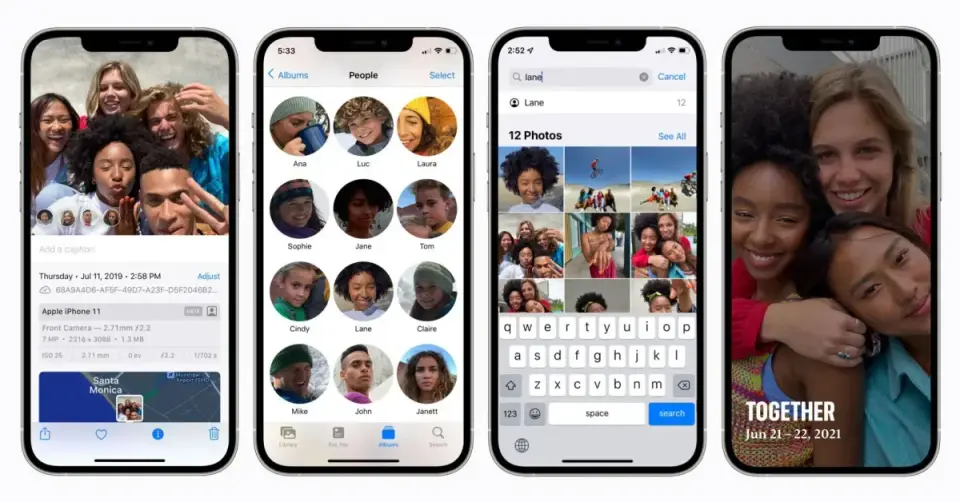
A judge has allowed a massive class action lawsuit against Apple to proceed, alleging that the Photos app violates Illinois biometric privacy laws. The suit seeks up to $32.5 billion in damages from 6.5 million users, claiming Apple stores facial data on its servers. Apple argues the technology runs entirely on-device, but the court has accepted the plaintiffs' case for further review.
Key points
- An Illinois judge ruled that plaintiffs have met the requirements to proceed with a class action lawsuit against Apple regarding its Photos app facial recognition features.
- The lawsuit alleges Apple violated the Illinois Biometric Information Privacy Act (BIPA) by collecting biometric data without written consent, potentially affecting 6.5 million users.
- If the suit succeeds, Apple could face damages of up to $5,000 per user, totaling approximately $32.5 billion.
- Apple maintains that its facial recognition algorithms run exclusively on the user's device and do not store identifiable biometric data on Apple servers.
- The case was originally filed in March 2020 and has progressed through the legal system for six years before this recent milestone.
Background
This dispute follows a similar 2021 settlement where Meta paid $650 million to resolve a BIPA claim regarding its server-side facial tagging. Recent archive coverage highlights broader tensions in biometric privacy, including Meta's AI glasses backlash and regulatory debates over data access in the EU. The current case mirrors the Meta precedent but centers on the technical distinction between on-device processing and cloud storage.
How outlets are covering it
9to5Mac argues that the lawsuit fundamentally misunderstands Apple's technology, emphasizing that the company's 2021 research papers confirm the recognition algorithm runs privately on-device. The outlet contends that Apple does not collect biometric data or identify individuals, making the claim demonstrably false. In contrast, Lifehacker focuses on the financial stakes and the plaintiffs' argument that syncing labels across devices implies server-side storage of biometric data. Lifehacker notes that while Apple claims only labels sync, the lawsuit asserts that the creation of a 'faceprint' on the device violates the law, regardless of where the data is stored. The two outlets highlight a divide between technical privacy assurances and legal interpretations of biometric data collection.
Why it matters
The potential $32.5 billion payout represents a significant financial risk for Apple, equivalent to 0.7% of its market valuation. If successful, this case could set a precedent for how on-device machine learning is treated under biometric privacy laws, potentially impacting other tech companies using similar local processing techniques. It also highlights the growing legal scrutiny of AI-driven features in consumer devices.
What to watch
Apple is expected to continue seeking to dismiss the case, arguing that its privacy safeguards comply with the law. The next steps will involve further legal proceedings to determine if the plaintiffs' claims regarding server-side data storage are valid. The outcome could influence future regulations on biometric data and on-device AI processing.
- No, Apple Photos face recognition is not a privacy threat – quite the opposite 9to5Mac
- Apple Could Owe Some Users up to $5,000 Each in This Class Action Lawsuit Lifehacker
- Apple faces $32bn lawsuit over biometric data on iPhones The Times
- Judge greenlights multi-billion-dollar class action over Apple Photos’ face recognition 9to5Mac
- Apple's $32.5 billion Photos lawsuit clears federal appeals court BetaNews
Want the full story? Read the original reporting
Read on 9to5Mac