
Why Browser Autofill Beats Merchant-Saved Cards for Security
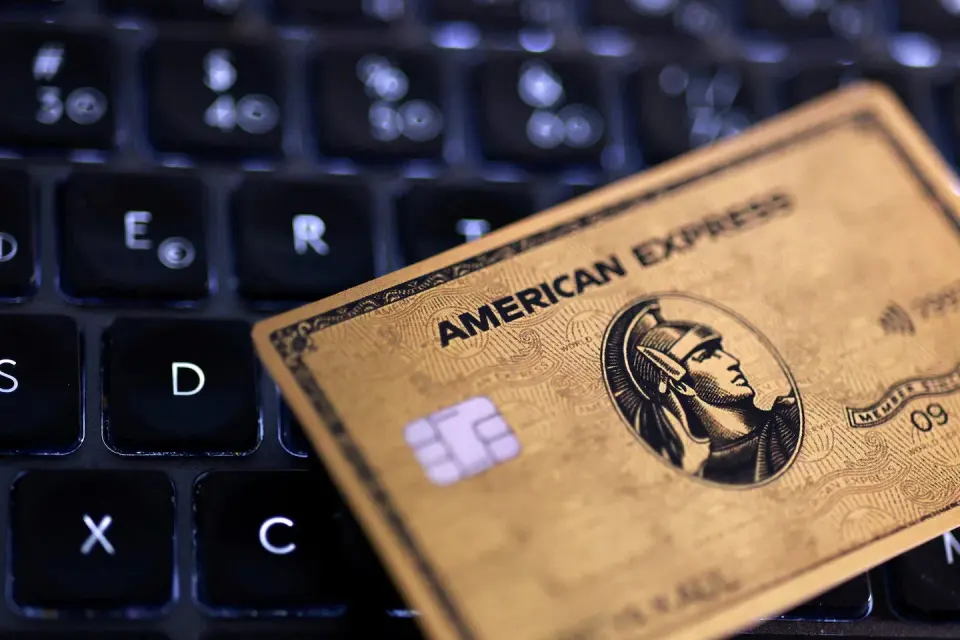
Using browser or password manager autofill for credit card details is significantly safer than letting websites store your payment information. Major browsers and third-party managers employ biometric checks and encryption, whereas merchant databases remain frequent targets for data breaches.
Key points
- Storing cards with websites creates a security risk because many merchants lack robust protection for saved payment data, leading to frequent breaches.
- Browsers like Chrome, Safari, Edge, and Firefox use biometric or real-time confirmation to authorize autofill, adding a layer of security not present in merchant systems.
- Third-party managers such as Bitwarden and 1Password utilize end-to-end encryption, ensuring the service provider cannot view the saved card details.
- Autofill via trusted tools is faster than manual entry and avoids the security pitfalls of merchant-specific storage requests.
- The Washington Post notes that while merchants ask users to save cards for convenience, this practice exposes users to higher fraud risks compared to using local device storage.
Background
Recent financial news highlights the growing complexity of digital payments, such as American Express’s recent surge in profits and its integration of Airbnb into its travel portal. These developments underscore the increasing reliance on digital card usage, making the security of stored payment data a critical consumer concern.
Why it matters
As online transactions become the norm, the security of payment data is paramount. Relying on merchant-stored cards exposes users to the varying security standards of individual businesses. By shifting storage to browsers or encrypted password managers, users leverage stronger, standardized security protocols that are less susceptible to the widespread data breaches affecting e-commerce platforms.
What to watch
Consumers are encouraged to decline website prompts to save card information and instead use their browser’s or password manager’s autofill features. This practice reduces exposure to merchant-side data leaks while maintaining the convenience of quick checkout.
Want the full story? Read the original reporting
Read on The Washington Post