
The $59 Brick: How a Physical Puck is Fueling the 2026 Anti-Doomscroll Movement
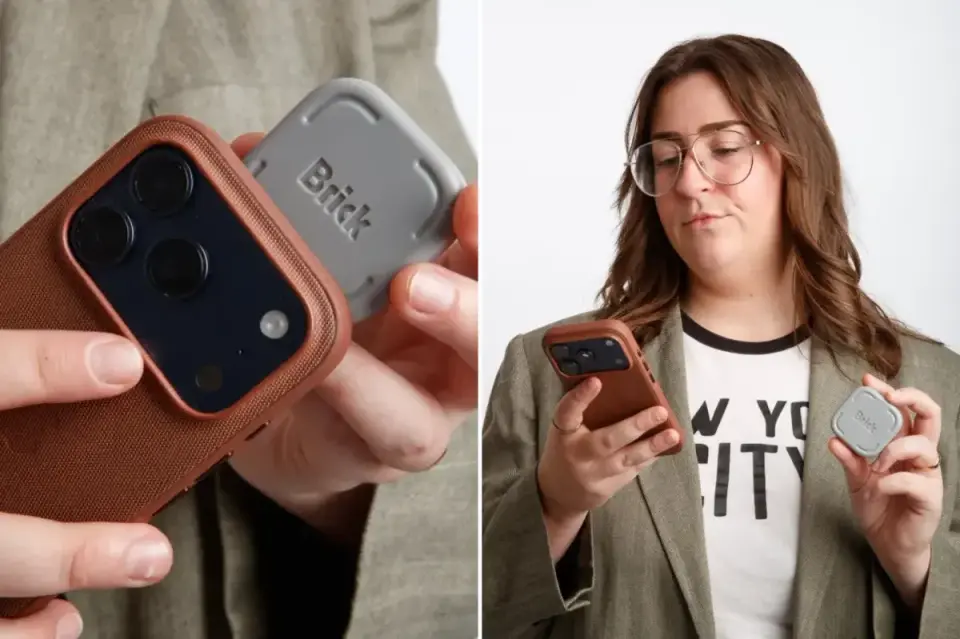
A new wellness trend in 2026 involves using a $59 device called Brick to physically block smartphone apps, forcing users to disconnect from social media and reduce screen time. The device requires users to tap their phone against a stationary puck to unlock restricted apps, creating a physical barrier against impulsive scrolling. While initial attempts often lead to anxiety and withdrawal symptoms, long-term users report improved presence, reduced anxiety, and better real-world social connections. Experts note that breaking smartphone dependence is difficult due to algorithmic design, but tools like Brick help reintroduce intentionality into daily habits.
Key points
- Brick is a $59 hardware device that pairs with a smartphone app to block selected applications, requiring a physical tap to unlock them.
- The device gained popularity after launching in fall 2023, driven by growing concerns about the negative impacts of excessive screen time on sleep, mental health, and relationships.
- Users can set schedules to automatically block apps during work hours or sleep, with a three-hour window allowed for scrolling in the evening.
- Initial use often triggers withdrawal symptoms, including anxiety, restlessness, and 'phantom' notifications, as the nervous system adjusts to reduced digital stimulation.
- Long-term users report benefits such as reading more books, engaging in face-to-face conversations, and feeling less distracted in daily life.
Background
This trend follows earlier discussions in 2026 about digital wellness strategies, including the IV drip craze and advice from therapists like Niro Feliciano on tracking triggers and implementing 30-day plans to reduce phone use. Additionally, summer 2026 saw increased no-phone policies for teens in workplaces and camps, aiming to build self-regulation skills and reduce anxiety linked to high screen time, as noted by CDC data.
Why it matters
The rise of Brick reflects a broader cultural shift toward analog living and intentional disconnection, addressing the addictive nature of modern smartphones. As algorithms are designed to maximize engagement, physical barriers like Brick offer a tangible solution for those struggling to break habitual scrolling, potentially improving mental health and real-world social interactions.
What to watch
Expect continued growth in the market for digital detox tools, including 'dumb phones' and other analog devices, as more people seek to manage smartphone dependence. The trend may also influence corporate wellness programs and educational institutions to adopt stricter screen time policies, emphasizing the importance of self-regulation and mental well-being in the digital age.
Want the full story? Read the original reporting
Read on New York Post