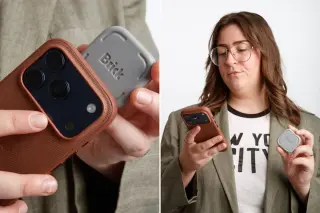
A wellness trend is emerging where consumers use physical barriers to limit smartphone usage. While the $59 'Brick' device has gained popularity for its tactile friction, experts note that free apps and built-in OS features can achieve similar results without the hardware cost.
Gen Z is trading screens for offline pastimes, fueling a trend of 'analog bags'—totes packed with journals, books, crafts and puzzles to encourage real-life hobbies and phone-free moments. The trend, amplified by TikTok and Instagram, blends nostalgia with mental-health goals, as people swap smartphones for flip phones, snail mail, and analog tools; L.L. Bean reports a surge in tote sales with monogrammed options, while fans share 'what's in my analog bag' videos to connect over non-digital pursuits.
Light unveils the Light Flip, a $299 minimalist flip phone with a 2.8-inch non-touch display, 6GB RAM, 128GB storage, 50MP rear camera, and a replaceable 1800mAh battery. It uses a retro T9 keypad and runs LightOS, offering only essential apps and no social media or web browsing to reduce screen time. The device supports 5G, Wi‑Fi, Bluetooth, GPS, and a 3.5mm jack, and comes in six colors with a lanyard notch. Light markets it as part of a digital detox program called Flip Your Life, targeting 18–30-year-olds tired of constant connectivity. Preorders open with a $39 deposit; shipping is planned for April 2027, and the phone will be unlocked at $299, with an optional two-year, $39/month service plan and possible future carrier availability to be announced.
A USA TODAY youth mental health reporter spends a month using the Light Phone II instead of her iPhone, embracing a pared-down toolkit (calls, texts, calendar, notes, etc.) and logging off social apps. She faces practical challenges—needing workarounds for email, navigation, tickets, and QR menus—but discovers that slowing down, journaling, and engaging with analog communities can reduce screen time and sharpen focus. The piece highlights a growing Gen Z trend toward offline, hands-on activities in a post-COVID world, and suggests the real takeaway is balance and mindful tech use rather than total abandonment; some smartphone backup remains necessary for work, but a deliberate relationship with tech can improve connection and calm.
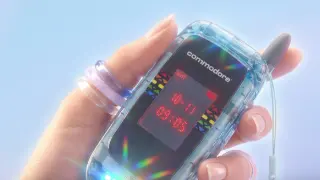
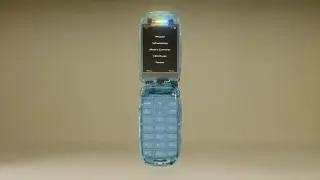
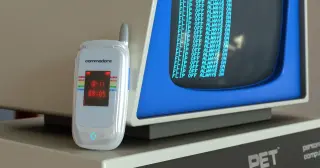
Commodore launches the Callback 8020, a Y2K-inspired minimalist flip phone designed for digital detox with system-level blocking of social apps, running SailOS on modest hardware (MediaTek Helio G81, 4GB RAM, 64GB storage) and supporting WhatsApp/SMS (but not Slack/Discord); it’s priced at $399 (down from $499), with pre-orders starting June 30 and shipments expected by year-end, targeting Gen Z and minimalist tech enthusiasts.
Dr. Matthew Walker outlines seven practical habits to improve sleep: set a to‑bed alarm to protect bedtime, do a nightly digital detox, minimize junk light in a darkened environment, keep a consistent wake time even on weekends, expose yourself to morning daylight, and use a warm-to-cool temperature sequence (warm hands/feet or a hot bath followed by a cool room) to trigger the body’s descent into sleep. These practices reinforce the circadian rhythm, boost melatonin signaling, and support deeper, higher‑quality rest.
Commodore unveils the Callback, a minimalist flip phone that blocks social media and browsers while delivering essential apps and a Commodore 64 emulator, signaling a nostalgia-driven, distraction-free device aimed at Gen Z.
Commodore's Callback 8020 is a retro-style flip phone marketed as a digital-detox device: it blocks social apps, has limited touchscreen, no browser, no emails or work apps, and uses Sailfish OS with compatibility for many Android apps; it includes a 48 MP camera, replaceable battery, 32 GB storage, and LED notifications, priced at $500 (up to $640 for some colors) with preorder starting June 30 and shipments by year-end.
Commodore debuts the Callback 8020, a retro-flip smartphone running Sailfish OS that blocks social media, browsers, and email to minimize distractions while still supporting essential apps (Uber, Spotify, WhatsApp) via its Commodore Store and AI‑vetted sideloads; it features a removable battery, DAC, FM radio, 48‑MP camera, T9 texting, and a retro camcorder mode, with OpenBubbles to access Apple Messages and preorders starting June 30 for prices from $500 to $640 across several editions.
Week 2 of the Touch Grass Challenge recommends turning off your phone 30 minutes before bed to improve sleep, noting that nighttime screen use stimulates the brain and can disrupt rest; if possible put the phone in another room or on do-not-disturb, and use the half-hour for analog activities like reading, journaling, or calming rituals to help you fall asleep faster.
The Well’s Summer Challenge invites readers to log off and spend 20 minutes a day in nature during June to curb ultraprocessed time spent on screens, backed by research suggesting that 120 minutes of outdoor time per week improves health, mood, and focus, with tips to fit this into a busy schedule and unplug.
A growing share of Gen Z—and other generations—are quitting social media for digital well-being, aided by affordable dumbphones and offline challenges like Month Offline, as studies show declines in platform use and rising polarization; proponents say people are rediscovering real-world connections and privacy.
In Washington, D.C., a growing group of 20- and 30-somethings joined the Month Offline program, swapping smartphones for basic flip phones for a month to curb social‑media use. Participants like Jay West and Rachael Schultz describe moments of boredom but also newfound freedom as they navigate without Google Maps or Spotify; average daily screen time dropped from about six hours to four. Organizers say the goal is to foster a richer, communal social life, and researchers note such smartphone detoxes can improve well‑being and attention. The program costs around $100 and includes a flip phone plus peer discussion sessions, signaling a budding movement toward digital sobriety among young Americans.
CNN’s Life piece features Dr. Michaeleen Doucleff explaining that reducing kids’ screen time works best when you replace it with equally engaging offline activities and shape home environments to support healthy habits. Rather than a purge, implement small, lasting changes (like outdoor adventures, art corners, or family projects) and use blockers to keep homework distraction-free. Framing choices positively—celebrating real-world activities over digital rewards—helps kids choose offline options, reducing battles and improving evenings, sleep, and overall family happiness. Doucleff also notes her own life improved after cutting back on tech, highlighting the broader benefits of a well-structured digital diet for families.
A growing movement urges people to put down their smartphones to reclaim attention and reduce digital overload, exploring why individuals are choosing unplugged living and the broader social and mental health implications in a hyperconnected world.