
2026 Instant Printer Guide: Dye-Sub, Zink, and Film Options Compared
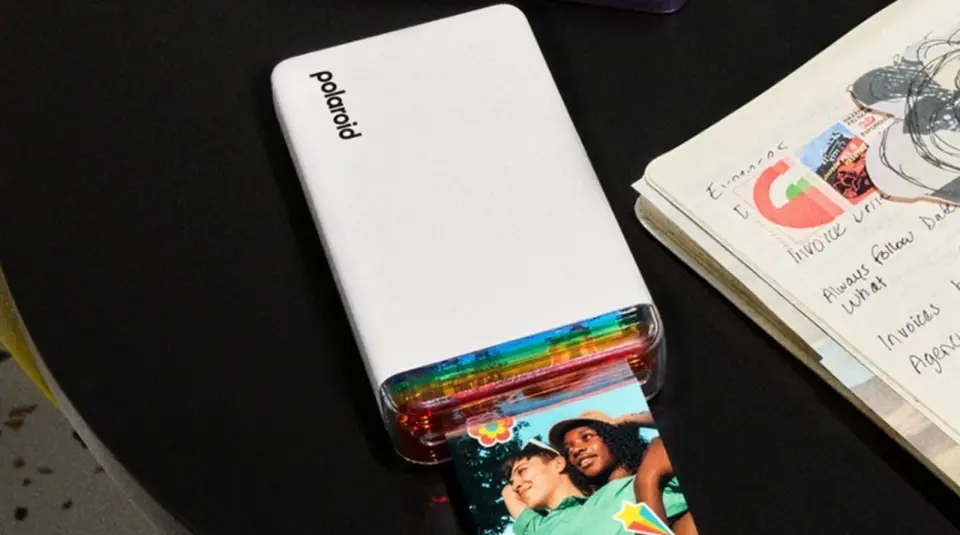
BGR’s 2026 guide highlights ten reliable instant photo printers, prioritizing established brands like Canon, Fujifilm, and Kodak. The roundup categorizes devices by technology: dye-sublimation for high-quality detail, Zink for low running costs, and Instax film for nostalgic aesthetics. Key recommendations include the Canon Selphy Square QX20 for versatility, the Polaroid Hi-Print 2x3 for portability, and the Fujifilm Instax Mini Link 3 for budget-friendly film printing. While newer brands like Liene offer competitive pricing, the guide emphasizes long-term reliability and expert-reviewed performance over novelty.
Key points
- Canon Selphy Square QX20 leads in image quality using dye-sublimation, supporting both square and rectangular prints, though it costs $190 and lacks included ink.
- Polaroid Hi-Print 2x3 offers extreme portability at under 9 ounces, using dye-sublimation for accurate colors, but battery life is limited to 10 prints per charge.
- Kodak Mini 2 Retro provides a budget-friendly entry at $80, including enough supplies for over 60 prints, though it uses older Micro-USB charging and has slower print times.
- Fujifilm Instax Mini Link 3 is a popular choice for real film prints, developing images in two minutes with a battery life of 100 prints, though per-print costs range from $1 to $1.50.
- Zink-based printers like the Canon Ivy 2 Mini and HP Sprocket 2nd Gen offer lower per-print costs (around 50-60 cents) and sticky-backed outputs, but lack the contrast and depth of dye-sublimation or film.
Background
This guide follows a broader 2026 trend toward compact, portable technology, as seen in recent coverage of mini gadgets and foldable devices. While previous articles focused on phones and laptops, this piece addresses the resurgence of physical photo printing as a hobby. The emphasis on established brands aligns with consumer caution regarding newer, less-tested hardware, similar to advice given for foldable phones in mid-2026.
Why it matters
As digital photography remains dominant, the demand for physical, instant prints persists for events and nostalgia. Understanding the trade-offs between print technologies is crucial for consumers balancing cost, quality, and portability. Dye-sublimation offers archival quality but higher upfront costs, while Zink provides affordability at the expense of vibrancy. Instax film retains a unique aesthetic but incurs high per-print expenses. This guide helps users select the right tool for specific needs, from casual scrapbooking to professional-grade portable printing.
What to watch
Consumers should evaluate their primary use case before purchasing. For high-quality, long-lasting prints, dye-sublimation models like the Canon Selphy or Liene Amber M110 are recommended despite higher initial costs. For budget-conscious users prioritizing low running costs, Zink printers like the HP Sprocket or Kodak Step are viable. Those seeking the classic film look should consider Fujifilm Instax options, accepting higher per-print fees. Future buyers should also monitor for potential discounts on newer models, as seen in other tech categories this year.
Want the full story? Read the original reporting
Read on bgr.com