
Apple's Foldable Debut: iPhone Duo vs. iPhone 18 Pro
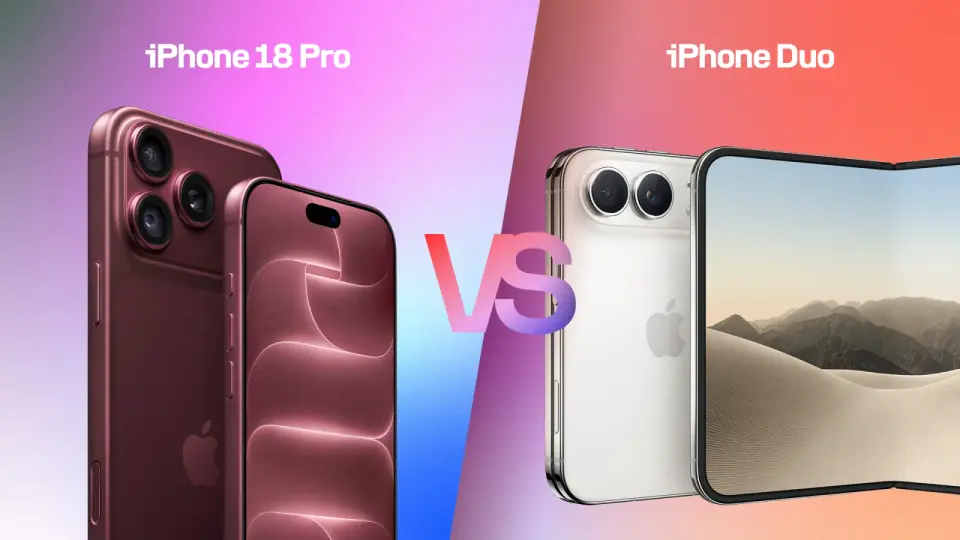
Apple has launched the iPhone 18 Pro and its first foldable, the iPhone Duo. The 18 Pro offers a variable aperture camera and improved cooling, while the Duo features a 7.6-inch foldable screen but lacks a telephoto lens. The Duo costs $800 more than the 18 Pro, raising questions about its value against cheaper Android alternatives.
Key points
- iPhone 18 Pro is on sale; iPhone Duo launches October 23.
- 18 Pro features a variable aperture camera and larger vapor chamber.
- iPhone Duo has a 7.6-inch internal screen but only two rear cameras.
- Duo starts at $1,999; 18 Pro starts at $1,199.
- Both phones use the 2-nanometer A20 Pro chip.
Background
Apple previously launched the iPhone 17 Pro in September 2025 with the A19 Pro chip. The 18 Pro lineup was announced in September 2026, replacing the 17 Pro models. The iPhone Duo was also unveiled at this event, marking Apple's entry into the foldable market.
How outlets are covering it
CNET highlights the 18 Pro's superior camera system, including a variable aperture, versus the Duo's foldable design. Engadget argues the 18 Pro is a minor upgrade over the 17 Pro, suggesting users wait. BGR notes that Android foldables like the Samsung Galaxy Z Fold 8 and Motorola Razr Fold offer similar or better specs at lower prices. Yahoo Finance focuses on the financial implications of the Duo's high price point.
Why it matters
The iPhone Duo's high price and limited camera features may hinder its adoption, while the 18 Pro's incremental upgrades may not justify a switch for recent buyers. This affects Apple's market share in the premium and foldable segments.
What to watch
The iPhone Duo will be available for purchase starting October 23. Analysts will monitor sales data to assess consumer reception of the foldable design and the 18 Pro's camera improvements.
- iPhone 18 Pro vs. iPhone Duo: Comparing Apple’s New Pro Phone Against Its First Foldable cnet.com
- Apple Raised Stakes with its $2000-Priced Foldable. But Can it Be the New Growth Engine? Yahoo Finance
- 4 Folding Phones Cheaper Than The iPhone Duo Actually Worth Buying bgr.com
- Five Reasons To Stick With Your iPhone 17 Pro Instead Of Upgrading To The 18 Pro Engadget
- Apple’s New iPhone Duo Is Packed with Design-Nerd Details gq.com
Want the full story? Read the original reporting
Read on cnet.com