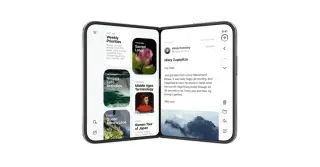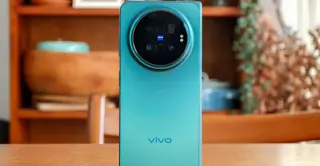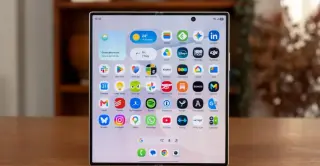
Samsung plans the Galaxy Z Fold 8 Wide as a major refinement: a wider 7.6-inch inner 4:3 display and a 5.4-inch cover screen for better everyday use, a 4,800 mAh battery with 45W charging for longer use, a light ~200 g body, and dual 50 MP rear cameras. It emphasizes enhanced multitasking and productivity to bridge phone and tablet experiences, with a July 22, 2026 launch at Unpacked in London that could reinforce Samsung’s leadership in foldables.
Apple’s anticipated foldable iPhone Ultra is facing multiple setbacks—visible display creases, creaky prototypes, and potential production delays—damping excitement among customers and suggesting Apple’s multi-year foldable plan may require compromises before a launch.
A supply-chain leak suggests Samsung’s Galaxy Z Flip 8 could be the final entry in the clamshell Flip line, driven by rising component costs, design stagnation in clamshells, and a market shift toward larger book-style foldables; the rumor also questions a Galaxy Z Flip 9, while noting expectations for an Unpacked launch featuring Z Flip 8 and Z Fold 8 family (dates subject to change).
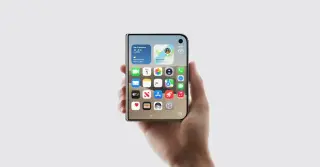
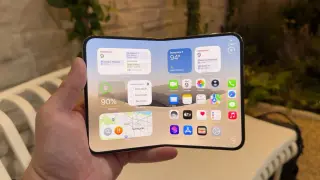
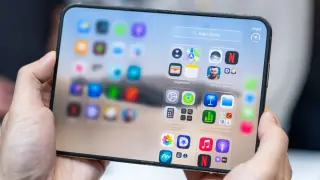
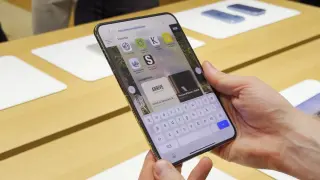
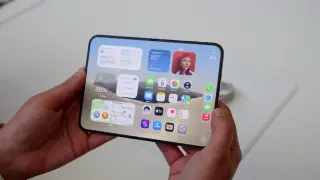
Apple previews its first foldable iPhone Ultra for a late-2026 release, pairing a 5.5-inch external display with a 7.8-inch inner screen and a 9.23 mm titanium-outfitted chassis; powered by the A20 Pro with 12GB RAM and up to 1TB storage, it includes a C2 modem for 5G satellite connectivity, reintroduces Touch ID, and supports multi‑screen multitasking, positioning it to compete with Samsung's Galaxy Z Fold lineup.
Motorola's Razr Fold marks the company's first book-style foldable and goes head-to-head with Samsung's Galaxy Z Fold 7 and Google's Pixel 10 Pro Fold. It sports a 6.6-inch exterior and 8.1-inch interior display with high brightness, plus native stylus support via a Pen Ultra (sold separately) though there’s no built-in pen slot. It’s powered by a Snapdragon 8 Gen 5 with up to 1TB storage and strong RAM, delivering solid performance; the camera setup includes a 50MP main sensor, a 50MP telephoto, and a 50MP ultra-wide, with image quality often outperforming Samsung but not always rivaling Google's Night Sight in very dark conditions. Battery life is excellent thanks to a 6,000mAh cell, and charging is fast (up to 80W wired, 50W wireless) but requires purchasing Motorola’s adapters separately. The device is chunkier and heavier than the Z Fold 7 and has weaker dust resistance than the Pixel 10 Pro Fold, and the AI features feel lighter than rivals. Still, it offers strong displays, great battery life, stylus support, and competitive pricing at around $1,900, making it a compelling option for big foldables even as Samsung and Google hold advantages in design and AI features.
Leaked details claim Samsung will unveil two book-style foldables in July: the Galaxy Z Fold 8 and Z Fold 8 Wide. The Wide variant reportedly uses a dual rear camera setup with 50MP main and 50MP ultrawide (both with autofocus) and 8K 30fps video, plus two 10MP front cameras. The signature color for the Wide is Dark Green. Both phones are expected to run Snapdragon 8 Elite Gen 5 with at least 12GB RAM and 256GB storage; the Fold 8 Wide might have a 4,800mAh battery and could be priced lower than the regular Fold 8, which may include a telephoto camera.
Leaks suggest the Galaxy Z Fold 8 Wide will use a dual 50MP main and 50MP ultrawide with 8K video, but omit a telephoto lens, potentially putting it behind the standard Fold 8 in photography while offering a notably wider outer display for improved usability.
Samsung is prepping the Galaxy Z Fold 8 family—Fold 8, Fold 8 Wide, and Flip 8—for a July 22, 2026 launch, focusing on refined designs, crease-free hinges, and mode-specific form factors. The standard Fold 8 features an 8.0-inch inner display with a 200MP/50MP/10MP rear camera, Fold 8 Wide uses a 7.6-inch panel with a 200MP/12MP setup, and Flip 8 sticks with a 50MP/12MP dual camera. Specs hint at up to 1 TB storage on Fold 8 (12 GB RAM), up to 512 GB with 16 GB RAM on Fold 8 Wide, and up to 512 GB with 12 GB RAM on Flip 8, plus 4,300–5,000 mAh batteries and 45W charging for Fold 8 models (25W for Flip 8). Software gains come via enhanced One UI for foldables, aimed at improved multitasking across the three devices.
A leaked Ice Universe video compares Samsung’s upcoming Galaxy Z Fold 8 and Fold 8 Wide, suggesting the Wide variant may use a passport-like 4:3 unfolded screen and a two-camera setup, while the standard Fold 8 appears largely unchanged from the Fold 7. The Wide model could offer more compactness and a lower price, but the video hints at notable compromises, prompting questions about its practicality and Samsung’s strategy of adding a new option rather than redesigning the existing Fold 8.
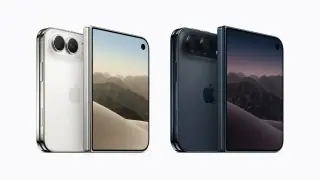
Apple unveils the iPhone Ultra Fold, its first foldable with a short, wide 7.8-inch inner display, USB-C charging, and stereo speakers. The design prioritizes media consumption and portability, but includes quirks like a prominent rear camera bump and unconventional button placement that may polarize buyers as Apple pushes into foldables.
PCMag compares Motorola’s Razr Ultra and Samsung’s Galaxy Z Flip 7, noting the Razr Ultra’s brighter 7-inch main display, 5,000mAh battery, and Snapdragon Elite 8 against the Z Flip 7’s lower price, configurable storage, mmWave 5G, and broader ecosystem; camera performance looks stronger on paper for Razr while real-world results depend on software; with full review pending, the Z Flip 7 offers better value for now, but Razr Ultra could win on battery life and display quality.
Samsung’s One UI 9 build surfaced official-looking images of the Galaxy Z Fold 8 Wide, aligning with prior leaks that it shares a tall, slim design and triple-camera back with the Fold 8; rumors also point to a 5,000 mAh battery and 45W charging, and the device is positioned to outpace competitor foldables from Apple and Huawei.
Samsung's Wide Fold and Galaxy Z Fold 8 appear in a Samsung-backed leak linked to One UI 9, with images showing the Wide Fold as noticeably wider than the Z Fold 8. The Wide Fold is rumored to have a dual rear camera (200 MP and 50 MP) and a 10 MP selfie cam, plus a 5.4-inch cover display, a 7.6-inch foldable display, and hardware such as a Snapdragon 8 Elite Gen 5 with 12/16 GB RAM; the Z Fold 8 is expected to be similar to the Z Fold 7 but may get a larger 5,000 mAh battery and 45W charging. An unveiling is anticipated in July. The designs align with prior leaks and renders, and the Wide Fold’s wider profile could resemble a tablet-like form factor and clash with rival foldables.
One UI 9 firmware and CAD renders reveal Samsung’s Galaxy Z Fold 8 and Z Fold 8 Wide: the Wide variant reportedly has a shorter, wider body with only two rear cameras (200MP primary + 50MP ultrawide), while the standard Fold 8 is expected to keep a triple-camera setup. Both are anticipated to run the Snapdragon 8 Elite Gen 5 for Galaxy and may feature a crease-less OLED display, with lighter color options and Dark/Light UI modes shown in renders from Android Authority and The Cipher Project.
The Galaxy Z Fold 8 lineup (Fold 8, Fold 8 Wide, and Flip 8) introduces practical refinements: a thinner, lighter body with a softer crease, a larger 5000 mAh battery with 45W charging (and possible Qi 2 magnetic charging); enhanced cameras including a 50 MP ultra-wide lens; improved cooling for sustained performance; and potential S Pen support, offering choices to fit different usage needs without a radical design overhaul.