
Google Bans Videostrong After Takedown of 1.3 Million-Device Android Botnet
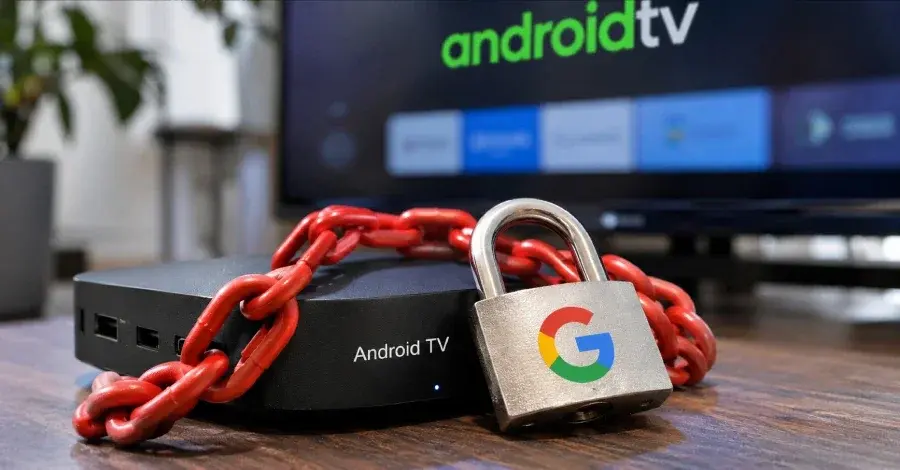
Google led a legal takedown of a botnet controlling over 1.3 million Android devices, primarily TV set-top boxes, in late October. The operation disrupted command-and-control servers for the 'x.cpe' backdoor, which was embedded in firmware by Shenzhen-based maker Videostrong. Google claims Videostrong intentionally sold access to criminals for ad fraud and residential proxy services. The backdoor remains active on affected devices, as it reinstalls itself after restarts. Google has banned Videostrong from certified Android development, while partners like TrendAI and Synthient advise users to discard infected hardware due to persistent security risks.
Key points
- Google disrupted a botnet of 1.3 million devices, mostly TV boxes, by taking down control servers in late October.
- The 'x.cpe' backdoor, embedded in firmware by Videostrong, allowed criminals to install apps, capture screens, and use devices as proxies.
- Videostrong, based in Shenzhen, is accused of intentionally selling criminal access to its devices, including those certified by Google.
- The backdoor cannot be removed by users as it reinstalls itself upon device restart, requiring vendor action or device replacement.
- Google banned Videostrong from building or selling certified Android devices and supplying software to other makers.
- Partners including Japan's National Police Agency and TrendAI confirmed the scale of the infection, with 1.47 million devices counted by TrendAI.
Background
This incident follows Google's July 2025 legal action against the BadBox 2.0 botnet, which involved over 10 million uncertified devices. Recent Android updates, such as Android 17 QPR3 Beta 2 released in October 2026, have focused on stability and security for Pixel devices, highlighting ongoing efforts to improve platform integrity. The current case underscores persistent vulnerabilities in third-party Android TV hardware, where firmware-level backdoors bypass standard security checks.
Why it matters
The takedown highlights critical gaps in Android certification processes, as Videostrong bypassed security tests by loading malicious code after the first boot. Consumers face persistent risks from firmware-level backdoors that cannot be removed via standard resets, potentially exposing home networks to criminal exploitation. The ban on Videostrong signals a stricter enforcement of security standards for device makers, while the disruption of control servers may reduce access to an additional 10 million infected devices, though criminals are expected to adapt quickly.
What to watch
Google has updated its review process to improve firmware checks for certified Android TV devices. Consumers are advised to discard infected devices, as the backdoor reinstalls itself after restarts. Organizations should isolate smart devices from sensitive networks and monitor for indicators of compromise. Videostrong's website still lists certified products as of November 2, 2026, despite the ban. Criminals are expected to shift to new tools following the takedown.
Want the full story? Read the original reporting
Read on The Hacker News