
Googlebook Benchmarks Show Qualcomm Outpacing Intel, But Integration Flaws Persist
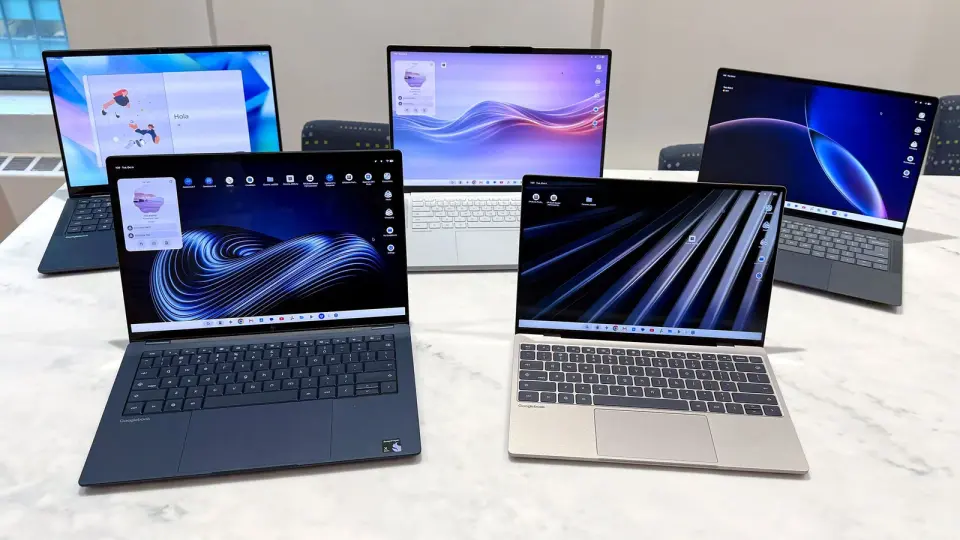
Google’s new Googlebook laptops, launched October 4, 2026, feature a hybrid OS blending Android and ChromeOS. Early benchmarks show Qualcomm Snapdragon X Elite models up to 50% faster than Intel Panther Lake units. While phone-laptop integration is promising, current limitations restrict seamless features to Pixel devices, and Intel models face app compatibility issues.
Key points
- Tom's Guide benchmarks reveal Qualcomm Snapdragon X Elite Googlebooks are up to 50% faster than Intel Core Ultra 5 325 models.
- The first five Googlebooks from Acer, Asus, Dell, HP, and Lenovo all feature 16GB RAM and 512GB SSD storage.
- Googlebook OS integrates Android apps, file sharing, and phone mirroring, but currently works only with Pixel devices.
- Intel-based models face performance lags and app compatibility issues due to architecture differences, while Qualcomm models run Android natively.
- The Verge describes the experience as 'exciting but underbaked,' noting janky initial performance despite strong integration concepts.
Background
Googlebook laptops launched in Europe on October 5, 2026, following a US release on October 4. Previous coverage highlighted immediate compatibility issues, including failed integration with Samsung devices and performance lags on Intel hardware. The new OS, Googlebook OS, is built on Android and ChromeOS, aiming to rival Apple’s ecosystem integration.
How outlets are covering it
Tom's Guide emphasizes raw performance, highlighting Qualcomm's 50% speed advantage over Intel. The Verge focuses on user experience, praising phone integration but criticizing the 'janky' and 'underbaked' nature of the current software. BGR highlights the benefits for Android users, such as file sharing and app casting, while noting limitations for non-Pixel devices. Thurrott provides detailed hardware specs, praising the Lenovo model's display and build quality but questioning the practicality of certain features like the glowbar.
Why it matters
Googlebook represents Google's first major push into the laptop market with a unified Android-PC ecosystem. The performance gap between Qualcomm and Intel models could influence consumer choices and pressure Intel to improve its Arm compatibility. The integration flaws, particularly with non-Pixel devices, may hinder adoption and require significant software updates to compete with Apple's mature ecosystem.
What to watch
Google promises fixes for Samsung integration and Intel app compatibility in the coming weeks. Full reviews from The Verge and Thurrott are expected soon, focusing on real-world performance and software stability. Additional Googlebook models, including MediaTek-based units, are anticipated later in 2026.
- We just benchmarked the first 5 Googlebooks — and Intel should be worried Tom's Guide
- Our first five impressions of Googlebooks — exciting but underbaked The Verge
- 5 Reasons Why Android Phone Users Will Want A Googlebook BGR
- Lenovo Googlebook 15 First Impressions Thurrott.com
- The Googlebook era is here: some first impressions of the hardware and a whole new OS Chrome Unboxed
Want the full story? Read the original reporting
Read on Tom's Guide