
Nintendo Switch 2 sales drop 41% as memory costs force price hikes
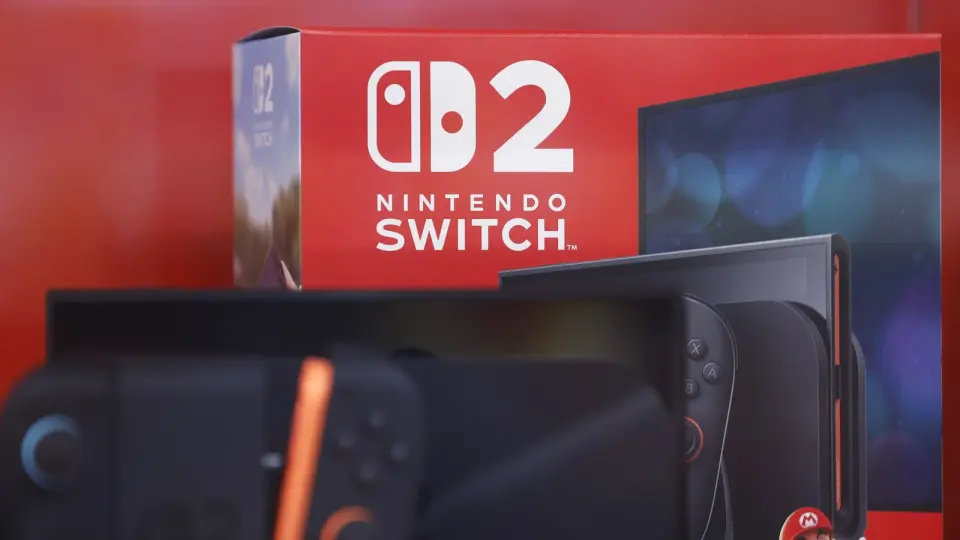
Nintendo reported a 41% decline in Switch 2 sales for the fiscal second quarter, selling 2.67 million units compared to the same period last year. The drop follows price increases in the U.S., Canada, and Japan, driven by a global memory chip shortage. Despite missing revenue and profit estimates, Nintendo maintained its full-year forecast of 16.5 million units. Investors are now focusing on the recent release of the Ocarina of Time remake to drive future demand.
Key points
- Nintendo sold 2.67 million Switch 2 units in the three months ending Sept. 30, a 41% decrease from the prior year.
- The company raised prices in the U.S., Canada, and Japan to offset soaring memory component costs.
- Revenue came in at 448.2 billion yen, below the expected 481.37 billion yen, while net profit was 73.5 billion yen versus an 82.16 billion yen estimate.
- Nintendo maintained its fiscal year forecast of 16.5 million Switch 2 units, ending in March 2027.
- The Ocarina of Time remake launched on Nov. 5, 2026, and is viewed as the primary driver for upcoming sales momentum.
Background
The current sales slump follows a broader industry trend where U.S. console sales hit a 13-year low in August 2026, with hardware costs reaching record highs due to memory shortages. Earlier this year, storage expansion options like microSD Express cards faced significant price volatility, with some 1TB cards exceeding $300, though recent discounts on Samsung cards have offered temporary relief. The Ocarina of Time remake, which launched on Nov. 5, 2026, was anticipated to counteract these hardware headwinds, though pre-launch pricing concerns had already emerged.
Why it matters
The sharp decline in Switch 2 sales highlights the vulnerability of hardware manufacturers to supply chain disruptions in memory chips. As prices rise, consumer demand may stall, forcing companies to rely heavily on marquee software titles to sustain hardware momentum. This dynamic could influence future pricing strategies and release schedules across the gaming industry.
What to watch
Investors will monitor sales data following the Ocarina of Time launch to gauge whether the title can offset hardware price hikes. Nintendo is also expected to release new Pokémon games in 2027, which may help stabilize the market. Analysts suggest that without additional major hits, the company may struggle to maintain momentum in the next fiscal year.
Want the full story? Read the original reporting
Read on CNBC