
Xbox Series X|S to receive FSR 4.1 support within weeks, with handhelds getting updates by Oct 23
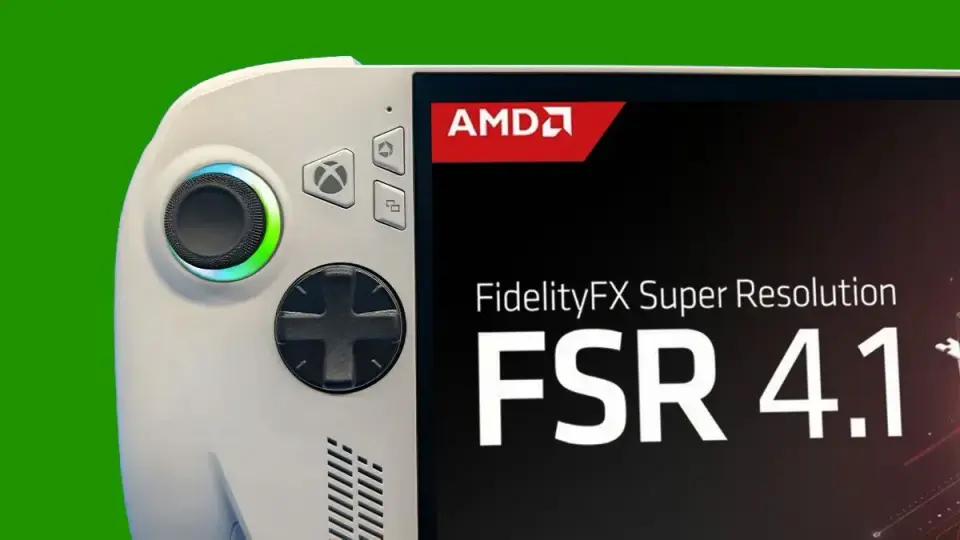
AMD and Microsoft confirmed that FSR 4.1 upscaling technology will arrive on Xbox Series X|S consoles and Xbox Ally handhelds. While console support is expected in the coming weeks, updated drivers for Xbox Ally devices are scheduled for release by October 23. The update aims to improve visual fidelity on current-generation hardware, particularly benefiting lower-powered systems like the Xbox Series S.
Key points
- AMD and Microsoft announced that FSR 4.1 will be available for Xbox Series X|S developers within the next couple of weeks.
- Updated drivers for Xbox Ally and Xbox Ally X devices will be released via the Armoury Crate 'Preview Update' segment by October 23, 2026.
- FSR 4.1 support for Radeon RX 6000-series GPUs is already available through the Adrenalin Edition 26.10.1 driver, arriving ahead of the previously promised early 2027 timeline.
- Existing games on Xbox consoles will not automatically receive FSR 4.1; developers must implement the technology via updates or include it in new titles.
- A 'handful' of FSR 4.1-enhanced titles are expected to launch during the holiday season, with broader adoption throughout 2027.
Background
This development follows earlier announcements in late October 2026 where AMD expanded FSR 4.1 support to various Ryzen processors and gaming handhelds. Previous coverage noted that Sony had recently introduced similar upscaling technologies for the PlayStation 5, prompting competitive pressure on Microsoft. The upcoming next-generation Xbox, Project Helix, is expected to utilize a distinct 'FSR Diamond' technology, distinguishing it from the current FSR 4.1 update.
How outlets are covering it
Windows Central emphasizes the practical timeline, noting that Xbox Series X|S developers will gain access to FSR 4.1 in the next few weeks, with some partner developers already testing preview builds. PCWorld highlights the broader impact on desktop hardware, stressing that FSR 4.1 support for Radeon RX 6000-series GPUs arrived significantly earlier than AMD's original promise of early 2027, addressing previous community frustration over limited hardware support. GamesIndustry.biz focuses on the technical limitations, pointing out that Xbox Series X|S consoles lack dedicated machine-learning hardware, meaning performance gains may not match those seen on the PS5 Pro. AMD's official statement confirms the expansion across multiple platforms, including laptops and handhelds, while Xbox CTO Scott Van Vliet confirmed the console rollout in an announcement video.
Why it matters
The expansion of FSR 4.1 to Xbox consoles and older hardware extends the usability and performance of current-generation devices, particularly benefiting the lower-powered Xbox Series S. This move helps mitigate the impact of the ongoing RAM and component crisis by allowing users to maintain high visual quality without purchasing new hardware. Additionally, the early release for Radeon RX 6000-series GPUs closes a significant gap with NVIDIA's DLSS technology, which has supported older hardware for longer.
What to watch
Developers are expected to begin implementing FSR 4.1 into existing games via updates, with a steady stream of new titles supporting the technology throughout 2027. Users of Xbox Ally devices can expect to test early builds through the Armoury Crate 'Preview Update' segment starting October 23. The broader adoption of FSR 4.1 may influence the development of future titles, including potential support for high-profile games like GTA 6, although this remains unconfirmed.
- When will Xbox Series X|S and Xbox Ally get FSR 4.1? Sooner than you think! Windows Central
- AMD Announces FSR 4.1 for Xbox Series X/S, Z2 Extreme and Z2A Handhelds, RX 6000 GPUs and More Digital Foundry
- AMD just gave your old Radeon GPU a new lease on life PCWorld
- AMD's FSR 4.1 upscaling is coming to Xbox Series X|S GamesIndustry.biz
- AMD FSR Upscaling 4.1 Boosts Frames and Image Quality on More Devices AMD
Want the full story? Read the original reporting
Read on Windows Central