
Zipline's New Flight Algorithm Claims 68% Noise Reduction as Drone Delivery Expands
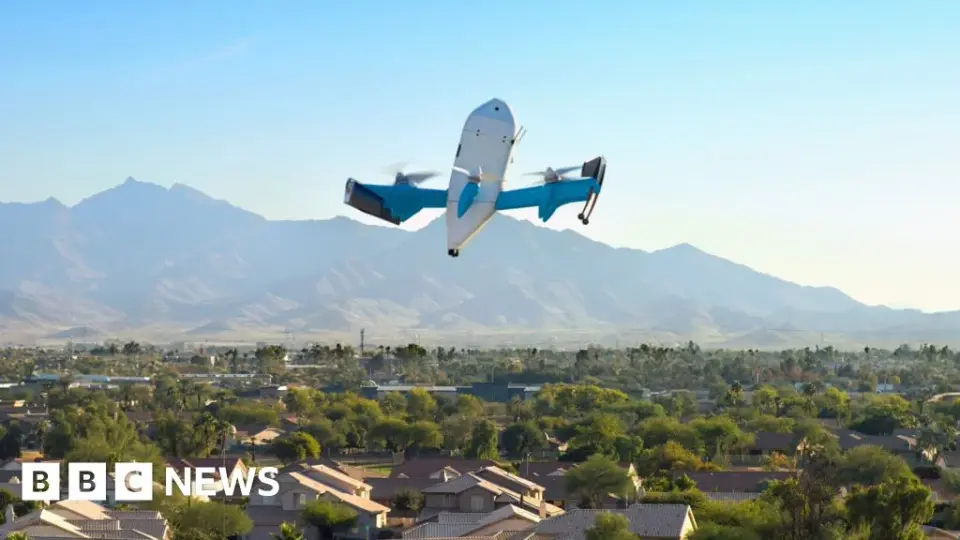
Zipline has rolled out 'sound-optimized dynamic flying' across its fleet, claiming a 68% reduction in sound exposure and 24% lower peak noise compared to its 2025 models. This software update uses real-time wind data and acoustic modeling to adjust flight paths, allowing the fixed-wing drones to glide more efficiently and spend 50% longer on the wing. While these figures are based on internal modeling rather than independent ground measurements, the move aims to address growing community backlash against drone noise. Competitors like Amazon and Wing are also implementing quieter propellers and flight path variations, but Zipline’s approach focuses on aerodynamic efficiency to minimize motor usage during transitions.
Key points
- Zipline’s new software calculates quietest flight paths using onboard wind sensors and acoustic models.
- The update reduces average flight time by 53 seconds and energy consumption by 21%.
- Zipline’s aircraft operate at 330 feet, significantly higher than the 32-foot average of competitors.
- Critics note the 68% noise reduction figure is modeled, not independently verified by decibel readings.
- Amazon and Wing are also working on quieter designs, with Amazon claiming half the perceived sound of previous generations.
Background
Drone delivery services have expanded rapidly in the US, with Amazon Prime Air targeting nearly 500 towns and cities. This growth has led to increased noise complaints from residents, prompting local bans and regulatory scrutiny. Zipline, which began operations in Rwanda, has scaled globally, completing a delivery every 15 seconds and serving over 5,000 health facilities. The company’s Platform 2 system, introduced in 2023, uses a two-part architecture where the main aircraft stays aloft while a tethered droid delivers packages.
How outlets are covering it
BBC highlights the human impact of drone noise, citing residents like Ashley Schmidt who suffer from stress due to the 'annying buzz' of delivery drones. It notes that Amazon is working on quieter propellers but faces community resistance. DroneXL provides a critical technical analysis, pointing out that Zipline’s 68% noise reduction is a modeled output, not a ground-measured decibel reading. It contrasts Zipline’s high-altitude strategy with Amazon’s lower-altitude operations, noting that towns like Westborough, Massachusetts, have voted to ban drone pads due to noise. DroneDJ and Aerospace Testing International focus on the engineering benefits, emphasizing how Zipline’s fixed-wing design and dynamic flying reduce energy use and motor time. They highlight Zipline’s goal to make drones 'loved' rather than just 'tolerated' by communities. The sources agree that noise is a primary barrier to drone adoption but differ on the validity of Zipline’s claims, with DroneXL questioning the lack of independent verification.
Why it matters
As drone delivery becomes a staple of urban logistics, noise pollution is a key factor in public acceptance and regulatory approval. Zipline’s move to prioritize quiet operation could set a new industry standard, potentially influencing future FAA regulations and local zoning laws. The success of these quieter drones may determine whether companies like Amazon and Wing can expand their services without facing community backlash or bans. Additionally, the efficiency gains from quieter flight paths could reduce operational costs and energy consumption, making drone delivery more sustainable and economically viable.
What to watch
Zipline plans to use the data from sound-optimized dynamic flying to enable higher-altitude flights and more sophisticated maneuvers in the future. The company aims to publish ground-measured decibel readings to validate its claims, though this has not yet occurred. Competitors like Amazon and Wing are likely to accelerate their own noise-reduction efforts in response. Local governments may continue to hold votes on drone bans or permit freezes, with noise levels being a central issue. The FAA may also review its regulations regarding commercial drone noise, potentially imposing stricter standards for future operations.
- 'An annoying buzz': The search for stealthier drones BBC
- Zipline Says Its Drones Got 68% Quieter. The Number Is Still a Model DroneXL
- Drone delivery noise is becoming a problem. Zipline has a new answer DroneDJ
- Delivery Drone Noise Drives North Garland Resident From Garden and Trails JournalArta
- Zipline cuts delivery drone noise with sound-optimized flight paths Aerospace Testing International
Want the full story? Read the original reporting
Read on BBC