
Williamsburg’s Music Hall closes as rent prices out live music venues
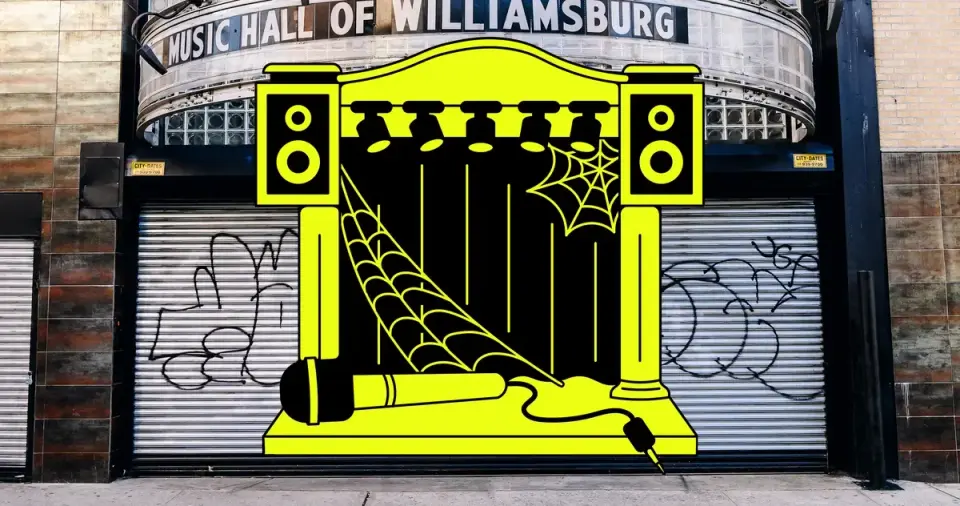
Music Hall of Williamsburg, a 650-capacity venue opened in 2007, will close its doors in early December 2026. Co-founders John Moore and Jim Glancy cite prohibitive real estate costs, with North 6th Street rents reaching $400 per square foot, as the primary reason for the shutdown. The closure marks the end of an era for North Brooklyn’s live music scene, which has shifted from DIY spaces to larger, corporate-owned venues in Bushwick and Ridgewood due to gentrification.
Key points
- Music Hall of Williamsburg, located at 66 North 6th Street, will hold its final shows in early December 2026.
- The venue, which opened in 2007 with performances by Against Me! and Patti Smith, hosted major acts including The Weeknd, Ed Sheeran, and Charli XCX.
- Co-founders John Moore and Jim Glancy attribute the closure to economic pressures, noting that live music cannot sustain itself at current rent levels of $350 to $400 per square foot on North 6th Street.
- The closure follows the disappearance of other iconic venues like Glasslands, Death by Audio, and 285 Kent, which were displaced by corporate headquarters and luxury developments.
- Live music activity has migrated to Bushwick and Ridgewood, where rents are lower and younger demographics reside, exemplified by the reopening of Saint Vitus in Bushwick.
- The Bowery Presents, which sold a majority stake to AEG in 2017, now operates larger venues like Brooklyn Steel and Under the K Bridge, while Live Nation runs Warsaw in Greenpoint.
Background
Williamsburg’s transformation from a postindustrial hub to a gentrified neighborhood began in the late 1990s and early 2000s, driven by artists seeking affordable rents. This led to a vibrant DIY music scene, but subsequent waves of gentrification introduced professional venues and luxury retail. The 2008 financial crisis temporarily slowed development, allowing the scene to flourish, but the return of high-end chains and condo towers eventually displaced smaller venues. Recent archive coverage highlights the continued shift of cultural activities to more affordable areas like Bushwick and Ridgewood, as seen in Olivia Rodrigo’s recent performance at Warsaw in Greenpoint.
Why it matters
The closure of Music Hall of Williamsburg symbolizes the broader impact of gentrification on urban cultural infrastructure. It highlights the tension between economic development and the preservation of local arts scenes, as rising real estate costs force venues to relocate or close. This trend affects not only musicians but also the community’s access to live music and cultural expression, reshaping the social fabric of Brooklyn neighborhoods.
What to watch
The final shows at Music Hall of Williamsburg are scheduled for early December 2026. Meanwhile, live music continues to thrive in Bushwick and Ridgewood, with venues like Saint Vitus reopening in a larger space. The shift in location may influence future urban planning and cultural policies, as cities seek to balance economic growth with the preservation of artistic communities.
Want the full story? Read the original reporting
Read on curbed.com