
NTSB finds Learjet tail parts miles from crash site as weather debate intensifies
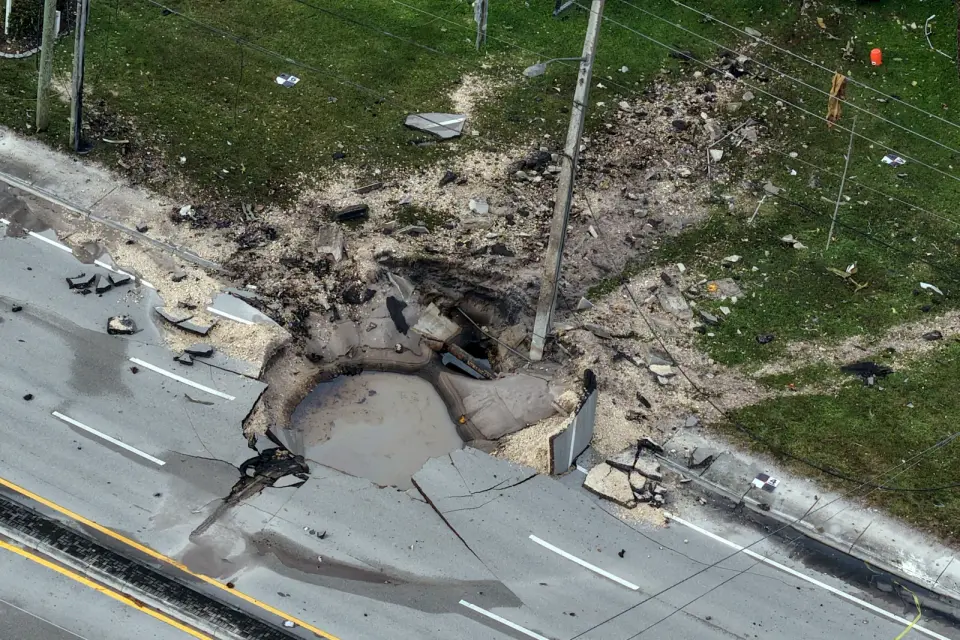
The NTSB confirmed that key parts of the Learjet 60 that crashed in Palm Beach County on November 1 were found up to 3.8 miles from the impact site, indicating the aircraft broke apart before hitting the ground. All nine people on board died, including a Texas tech family and two crew members. Investigators are facing weather challenges at the crash site, while aviation experts question why the pilots flew into severe storms.
Key points
- NTSB member Tom Chapman confirmed the left tail elevator was found in three pieces between 1.3 and 3.8 miles from the crash site on South Military Trail.
- The crash killed all nine people on board, including pilot Jeff Gregory, co-pilot Nathalia Filgueiras, and passengers Adam Robinson, Helen Sharp, and their two children.
- The aircraft descended from 35,000 feet to the ground in approximately 60 seconds after reporting icing and turbulence.
- Investigators are working to drain water from the crater and expect to access the site fully by Wednesday.
- Hundreds of residents in a nearby mobile home park remain displaced due to the ongoing investigation and road closures.
Background
The Learjet 60 crash occurred on November 1, 2026, in Greenacres, Palm Beach County. The aircraft was traveling from Austin, Texas, to the Bahamas. Previous coverage identified the victims and noted the rapid descent following reports of severe icing. The crash is the second deadliest in the US this year and the deadliest involving a Learjet 60.
How outlets are covering it
The Sun Sentinel and CNN focus on the NTSB's discovery of the tail elevator parts, emphasizing the significance of the pre-impact breakup. CNN highlights the final radio communications, including the pilot's 'Mayday' call and the rapid descent. Yahoo features aviation attorney Mike Slack, who questions why the pilots flew into a known storm system, noting that an alternative route would have avoided the weather. Slack describes the Learjet 60 as a 'widow maker' due to its susceptibility to stalling. The NTSB maintains that weather is a major focus but has not determined the cause, while Slack suggests the storm triggered a stall that the aircraft could not recover from.
Why it matters
The crash highlights the dangers of flying into severe weather and the risks associated with certain aircraft models. The NTSB's investigation will determine whether the breakup was caused by weather or structural failure, which could impact future aviation safety regulations. The displacement of hundreds of residents and the closure of major roads underscore the broader impact of the crash on the local community.
What to watch
The NTSB expects to access the crater fully by Wednesday to recover critical components. Investigators will continue to analyze the tail elevator parts and other wreckage. The county is considering declaring a state of emergency to assist displaced residents. The NTSB will determine if a cockpit voice recorder was on board and analyze its data if found.
- ‘A big puzzle’: Key evidence in Learjet crash investigation found up to 3.8 miles away, NTSB says Sun Sentinel
- Key Part of Jet in Deadly Florida Crash Found Far From Impact Site The New York Times
- Texas expert says 'widow maker' Learjet flew straight into deadly Florida storm Yahoo
- ‘Mayday, mayday.’ A flight from Texas to the Bahamas ended in tragedy. What investigators are examining CNN
- Pilot of plane involved in fiery Florida crash was a resident of Montgomery County, Pennsylvania 6abc Philadelphia
Want the full story? Read the original reporting
Read on Sun Sentinel