
Shein’s Hong Kong Debut Slides as Investors Reject Premium Valuation
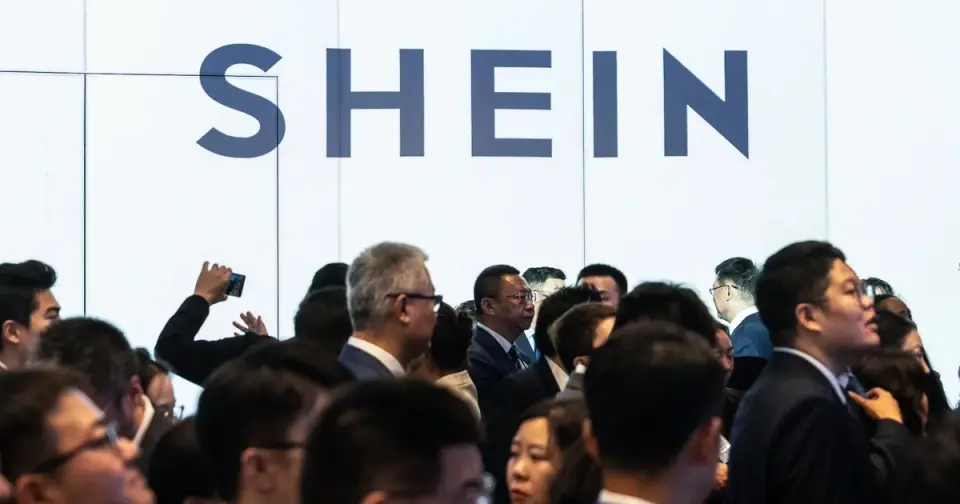
Shein shares fell 8% on their first day of trading in Hong Kong, valuing the company at approximately $24 billion, a fraction of its 2022 peak. The listing raised $1.7 billion but faced tepid demand, with the retail tranche subscribed only 5.63 times. Investors cited concerns over slowing growth, rising costs from the end of the US de minimis duty exemption, and regulatory scrutiny in the EU. The IPO also triggered a complex capital structure event, requiring Shein to pay up to $3.5 billion to early private investors due to anti-dilution clauses.
Key points
- Shares dropped 8% on debut, trading around 44.6 Hong Kong dollars, significantly below the 2022 private valuation of nearly $100 billion.
- The IPO raised HK$13.6 billion ($1.7 billion), but demand was weak compared to other high-profile listings, with the international tranche subscribed only 2.59 times.
- Shein faces a $3.5 billion payout to early investors from Series Pre-D, D, and D+ rounds due to make-whole clauses triggered by the lower public valuation.
- The US elimination of the de minimis duty exemption and new EU fees on low-value packages have increased logistics costs and reduced profit margins.
- Net income fell 39% last year, and the company swung to a $99 million loss in the first quarter of 2026, with margins expected to remain low in the second half.
Background
Shein had previously attempted to list in New York and London but faced political resistance and regulatory hurdles, including concerns over labor practices and environmental impact. The company shifted its headquarters to Singapore to appear less Chinese but ultimately required approval from Beijing to list in Hong Kong. Earlier archive coverage noted that the company’s valuation had already declined significantly before the listing, with investors questioning its growth prospects amid intense competition from rivals like Temu.
How outlets are covering it
NBC News emphasized the weak market debut and the premium valuation relative to rival Temu, noting that investors were unwilling to pay for a recovery that has not yet materialized. The Financial Times highlighted the unusual capital structure, where public investors injected $1.7 billion while up to $3.5 billion flowed back to early private shareholders, creating a 'weird' dynamic. BBC focused on the geopolitical context, describing the Hong Kong listing as the 'only realistic path' for Chinese companies shut out of Western exchanges, while also noting the company’s efforts to reassert ties with Beijing through CEO Sky Xu’s public appearances.
Why it matters
The listing serves as a benchmark for investor sentiment toward fast fashion and Chinese tech firms in a volatile trade environment. It highlights the risks of regulatory changes, such as the end of duty-free exemptions, which could force asset-light e-commerce models to become more capital-intensive. The tepid response suggests that public markets are demanding deeper discounts for companies facing structural headwinds, even if the underlying business remains profitable.
What to watch
Shein must navigate higher customs duties and logistics costs in the US and EU while expanding into new markets to offset slower growth. The company aims to diversify its revenue through third-party marketplace services and acquisitions, such as Everlane, to reduce reliance on its own-label fast fashion. Investors will watch whether the company can stabilize margins and manage the financial burden of compensating early shareholders.
- Shares in fast fashion retailer Shein slide in long-delayed Hong Kong debut NBC News
- Shein’s Lackluster Debut Shows a Fast-Fashion Model Left Behind The New York Times
- Shein Makes Ho-Hum Market Debut After Years of Geopolitical Drama WSJ
- Shein shares fall in long-awaited stock market debut BBC
- Shein’s unhappy IPO Financial Times
Want the full story? Read the original reporting
Read on NBC News