
Houthi Missile Debris Injures Four in Riyadh as Saudi Strikes Target Yemen Oil Infrastructure
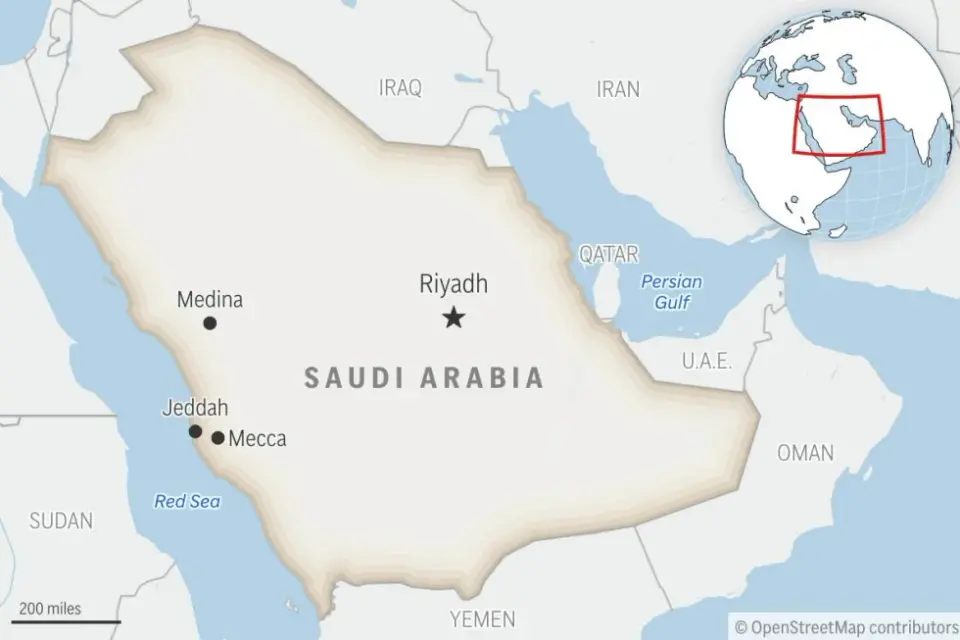
Houthi rebels launched ballistic missiles at Riyadh, injuring four people with debris from intercepted warheads. In response, the Saudi-led coalition struck oil facilities in Hodeida and Sanaa, marking a new phase in the conflict that analysts say could degrade Houthi military capacity over time.
Key points
- Debris from two intercepted Houthi ballistic missiles fell on residential areas in Riyadh, injuring four people including a child and damaging 15 homes.
- The Saudi-led coalition conducted airstrikes on a state oil company facility in the Ras Isa port area of Hodeida province, killing two and wounding two others.
- Coalition forces also targeted an oil facility in Sanaa, signaling a shift toward striking critical infrastructure in Houthi-controlled zones.
- Ahmed Nagi of the International Crisis Group noted that the Houthis are using pressure tactics to raise the cost of Saudi intervention, while Riyadh is betting on a war of attrition.
- The Houthis possess missiles capable of traveling over 1,600 kilometers, with some warheads designed to change direction during flight to evade defenses.
Background
This escalation follows a series of severe Houthi attacks on Saudi infrastructure in October 2026, including a missile strike on King Khalid International Airport in Riyadh that killed 12 and injured over 300. Previous clashes in September involved strikes on the port of Mocha and drone attacks near Mecca, prompting Saudi Arabia to seek additional air defense support from allies due to dwindling interceptor stocks. The current conflict stems from a Saudi blockade of the Houthis, which the rebels have countered with their own blockade and direct strikes on Saudi targets.
Why it matters
The targeting of oil infrastructure and the use of long-range ballistic missiles against a capital city indicate a significant escalation in the Houthi-Saudi conflict. This not only threatens regional stability and global energy supply chains but also risks drawing in international powers, as Saudi Arabia continues to request air defense support from allies like France and Britain while the U.S. debates direct intervention.
What to watch
Analysts expect the Saudi-led coalition to continue targeting Houthi military and economic infrastructure to degrade their capacity. The Houthis may respond with further strikes on Saudi critical infrastructure, potentially leading to a prolonged war of attrition. International allies may increase support for Saudi air defenses as interceptor stocks remain low.
Want the full story? Read the original reporting
Read on AP News