
Clancy defense pushes for dismissal as judge weighs retrial and juror conduct
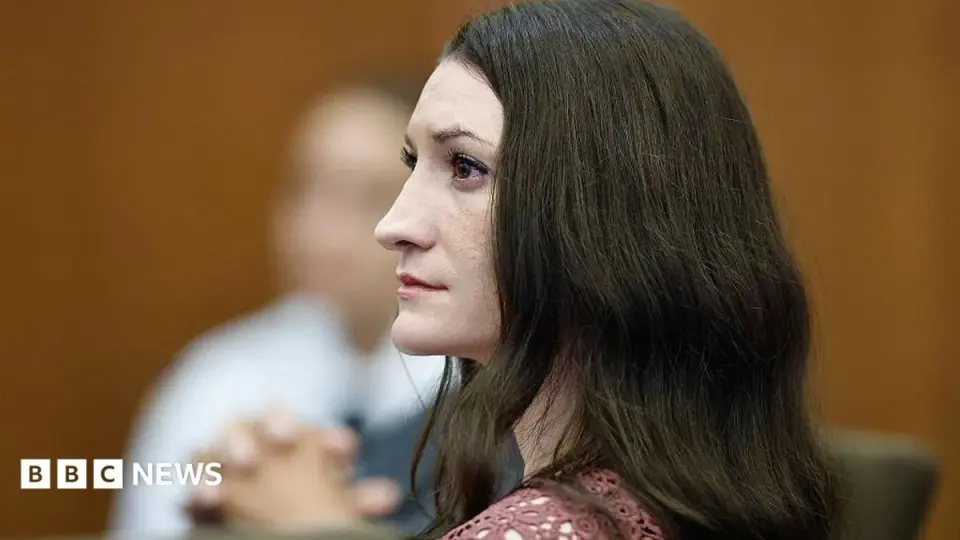
Lindsay Clancy returned to court in Massachusetts on November 2 to argue for the dismissal of her murder charges, claiming a retrial would violate double jeopardy protections. Her defense team contended that Judge William Sullivan should have investigated the lone holdout juror, Michael Desronvil, rather than declaring a mistrial in September. Prosecutors opposed this, arguing the mistrial was necessary due to a deadlocked jury. The hearing also addressed a proposed gag order and the possibility of reduced charges, while Clancy remains under suicide watch.
Key points
- Clancy’s lawyers, led by Kevin Reddington, filed motions to dismiss the case entirely, arguing that investigating the holdout juror could have avoided the mistrial and subsequent retrial.
- Prosecutors argued that the mistrial was properly declared due to a manifest necessity, preserving their right to seek justice for the three victims without violating double jeopardy.
- The defense requested an inquiry into juror Michael Desronvil’s communications during deliberations, while prosecutors sought a gag order to prevent prejudicial media statements by attorneys.
- Judge Sullivan interrupted defense arguments, noting he had already questioned jurors individually during the trial, and deferred final rulings on the motions.
- Clancy, who is currently under 24/7 suicide watch, faces potential charges ranging from first-degree murder to manslaughter, with no retrial date yet set.
Background
Clancy was charged with killing her three children in January 2023, allegedly while suffering from postpartum psychosis. Her initial trial ended in a mistrial in September 2026 after a jury deadlocked 11-1. Recent court proceedings have seen the defense shift strategies, including a rejected motion claiming no evidence of the killings, leading to this latest hearing to determine the case's future.
How outlets are covering it
BBC News highlighted Judge Sullivan’s frustration with defense arguments regarding the voir dire process, emphasizing the judge’s prior individual questioning of jurors. NBC News focused on the strategic shift in the defense, noting Reddington’s previous request for a presidential pardon and the potential for a bench trial if charges are reduced. Click2Houston detailed the legal arguments over double jeopardy and the proposed gag order, noting the defense’s claim that the order constitutes prior restraint. All sources agreed that the core dispute centers on whether the mistrial was a legal necessity or an avoidable error that now threatens to violate Clancy’s rights.
Why it matters
The outcome of this hearing will determine whether Clancy faces a second jury trial, a bench trial, or dismissal. The case has drawn national attention due to its high-profile nature and the intense public debate surrounding Clancy’s mental state and the integrity of the jury process. A retrial could consume significant court resources, while a dismissal would raise questions about the handling of deadlocked juries in high-stakes criminal cases.
What to watch
Judge Sullivan may issue a ruling on the motions to dismiss or set a retrial date during the hearing. Prosecutors are expected to announce their intentions regarding the charges, potentially at a press conference. The court may also block off calendar time for a potential trial while motions are resolved. Clancy’s legal team will continue to argue for reduced charges or dismissal, while prosecutors may pursue a retrial on first-degree murder or lesser charges.
- Lindsay Clancy back in court after murder trial fell apart - follow live BBC
- Lindsay Clancy returns to court in a bid to dismiss charges she killed her three young children Click2Houston
- Judge in Clancy Case to Weigh Motion to Dismiss Charges at Hearing The New York Times
- Lindsay Clancy returns to court as defense seeks to block retrial in murder case NBC News
- Watch live: Lindsay Clancy in court as her lawyers seek dismissal of murder charges The Boston Globe
Want the full story? Read the original reporting
Read on BBC