
Georgia judge sentences father of Apalachee shooter to 15 years in landmark case
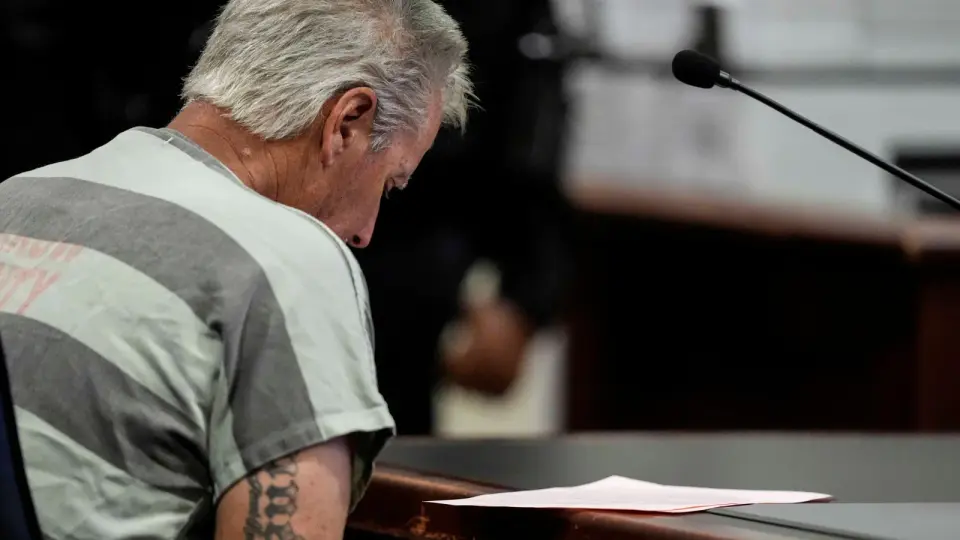
Colin Gray, 55, was sentenced to 15 years in prison for his role in the 2024 Apalachee High School shooting, becoming the first parent in Georgia history convicted of murder in connection with a school attack. Judge Nicholas Primm ruled that Gray's failure to secure weapons or seek mental health treatment for his son, Colt, constituted criminal negligence. While prosecutors sought 80 years, the judge acknowledged Gray did not pull the trigger but emphasized his 'failure as a parent' in ignoring escalating warning signs. This ruling follows the life sentence handed to Colt Gray, 16, and marks a significant precedent in holding parents accountable for juvenile mass shootings.
Key points
- Colin Gray received concurrent 15-year prison terms after being convicted in March on 27 counts, including second-degree murder and involuntary manslaughter.
- Judge Nicholas Primm stated Gray 'failed as a parent' by ignoring warning signs, including a sheriff's visit regarding an online threat, and failing to secure the AR-15 rifle he gifted his son.
- Colt Gray, 16, was sentenced to life without parole two days prior after pleading guilty to 55 charges, including felony murder, for the Sept. 4, 2024, attack that killed four people.
- The case is the first in Georgia where a parent of a school shooter was charged and convicted of murder, though it is the second such case in the U.S. after the Crumbley case in Michigan.
- Victims' families testified that Gray's inaction, including giving the gun as a Christmas gift despite his son's deteriorating mental health, directly enabled the tragedy.
Background
The Apalachee High School shooting occurred on Sept. 4, 2024, in Winder, Georgia, killing two students and two teachers. Prior to the attack, Colt Gray had exhibited signs of obsession with mass shooters, including creating a shrine to the Parkland shooter. The family had a history with child protective services, and law enforcement had visited the home months before the shooting to investigate an online threat. This case follows the 2021 sentencing of the Crumbley parents in Michigan, who received 10-15 years for involuntary manslaughter, and reflects a broader national trend of prosecuting parents for failures to prevent their children's violent acts.
How outlets are covering it
USA TODAY and The New York Times emphasize the historic nature of the conviction, noting it is the first time a parent in Georgia was charged with murder for a school shooting. They highlight the judge's focus on Gray's 'failure to act' rather than direct intent. NBC News and Fox News focus on the emotional testimony from victims' families, who argued for the maximum sentence, and the defense's argument that 15 years is already a severe punishment for a parent who did not pull the trigger. All sources agree on the factual outcome but differ in emphasis: USA TODAY and NYT frame it as a legal precedent for parental liability, while Fox News highlights the judge's specific criticism of Gray's negligence in securing weapons and seeking mental health care. NBC News notes the defense's argument that the mother, Marcee Gray, bore more responsibility, though she was not charged.
Why it matters
The sentencing sets a potential precedent for prosecuting parents of juvenile mass shooters across the United States. Legal experts cited by USA TODAY suggest the conviction may encourage prosecutors nationwide to pursue similar cases, shifting the legal landscape for parental liability in gun violence. The case also highlights the tension between holding parents accountable for negligence and the limits of criminal responsibility when the perpetrator is a minor. It underscores the ongoing debate over gun access, mental health resources, and the role of families in preventing mass violence.
What to watch
Colin Gray will serve his 15-year sentence concurrently with other counts. The case may be appealed, though no immediate appeal has been announced. The ruling could influence future prosecutions of parents in similar cases, potentially leading to stricter laws or charges for parental negligence in gun-related crimes. The broader debate over parental liability and gun access may continue in legislative and judicial arenas across the U.S.
- Father of Georgia school shooter sentenced to 15 years in landmark case USA Today
- Apalachee High School shooter’s father sentenced to 15 years NBC News
- Colin Gray, Father of Teenage Shooter in Georgia, Sentenced to 15 Years in Prison The New York Times
- Father who bought AR-15 for Georgia school shooter learns fate in first-of-its-kind conviction Fox News
- Father of Apalachee High shooter given 15 years in prison in second degree murder case 11Alive.com
Want the full story? Read the original reporting
Read on USA Today