
Tupac Shakur’s 1996 Murder Trial Begins in Las Vegas After 30-Year Delay
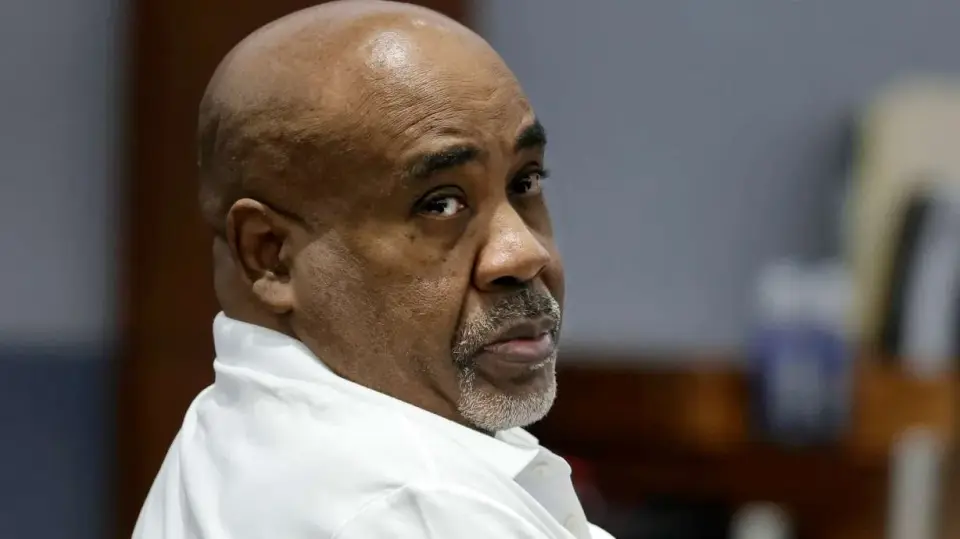
Duane 'Keffe D' Davis, 63, faces trial in Las Vegas for allegedly orchestrating the 1996 drive-by shooting that killed rapper Tupac Shakur. Prosecutors rely on Davis’s 2019 memoir and public interviews as key evidence, arguing he planned the retaliation after a nightclub fight involving his nephew. Davis pleads not guilty, claiming the book was sensationalized and that he was not present at the shooting. The trial, expected to last weeks, may not identify the actual gunman but seeks to hold Davis accountable for facilitating the crime.
Key points
- Trial begins in Las Vegas for Duane 'Keffe D' Davis, charged with murder with a deadly weapon in connection to Tupac Shakur’s 1996 death.
- Prosecutors argue Davis orchestrated the shooting to avenge a beating of his nephew by Shakur’s entourage, using his 2019 memoir 'Compton Street Legend' as primary evidence.
- Davis pleads not guilty, claiming the book was written for profit and that he was not present at the shooting, contradicting his own written account.
- Shakur’s family, including stepbrother Maurice 'Mopreme' Shakur, and fans have traveled to Las Vegas to support the proceedings, despite the emotional toll.
- The trial is expected to feature 35 to 45 witnesses, with prosecutors acknowledging that the actual gunman may never be identified.
Background
Tupac Shakur was killed in a drive-by shooting in Las Vegas on September 7, 1996, and died six days later. The case remained unsolved for nearly 30 years, with no one charged until Davis was indicted in 2023. Shakur, a cultural icon who sold over 75 million records worldwide, was inducted into the Rock & Roll Hall of Fame in 2017 and remains a significant figure in hip-hop history.
How outlets are covering it
KSL.com emphasizes the emotional impact on Shakur’s family and the cultural significance of the trial, noting that fans and family members traveled to Las Vegas to show support. The Guardian focuses on the legal and historical context, detailing the timeline of Shakur’s death and the role of Davis’s memoir in reviving the investigation. Both sources agree that the trial may not identify the actual gunman but will determine whether Davis orchestrated the killing. KSL highlights the defense’s argument that the book was sensationalized, while The Guardian notes that prosecutors will distinguish between truth and exaggeration in the memoir.
Why it matters
The trial represents a potential resolution to one of hip-hop’s most enduring mysteries, offering a chance for justice after nearly 30 years. It also highlights the impact of public statements and memoirs on legal proceedings, as Davis’s own writings became central to the case. The outcome could influence how similar cases are handled in the future, particularly those involving delayed prosecutions based on self-incriminating statements.
What to watch
The trial is expected to span several weeks, with prosecutors calling 35 to 45 witnesses. The defense is expected to call only a few witnesses. The outcome will determine whether Davis is convicted of murder with a deadly weapon, which could result in life imprisonment. The trial may also shed light on the circumstances surrounding Shakur’s death, though the identity of the gunman may remain unknown.
- Long-awaited trial begins in rapper Tupac Shakur's 1996 killing in Las Vegas KSL.com
- What we know about Tupac Shakur’s death and what to expect from murder trial The Guardian
- Los Angeles gang leader masterminded Tupac's drive-by killing, prosecutor tells jury Reuters
- There Are Few Witnesses to Tupac Shakur’s Drive-by Shooting The New York Times
- Long-awaited trial begins in rapper Tupac Shakur’s 1996 Las Vegas killing South China Morning Post
Want the full story? Read the original reporting
Read on KSL.com