
Tupac Case Closed by Verdict, Biggie Smalls Murder Remains Unsolved
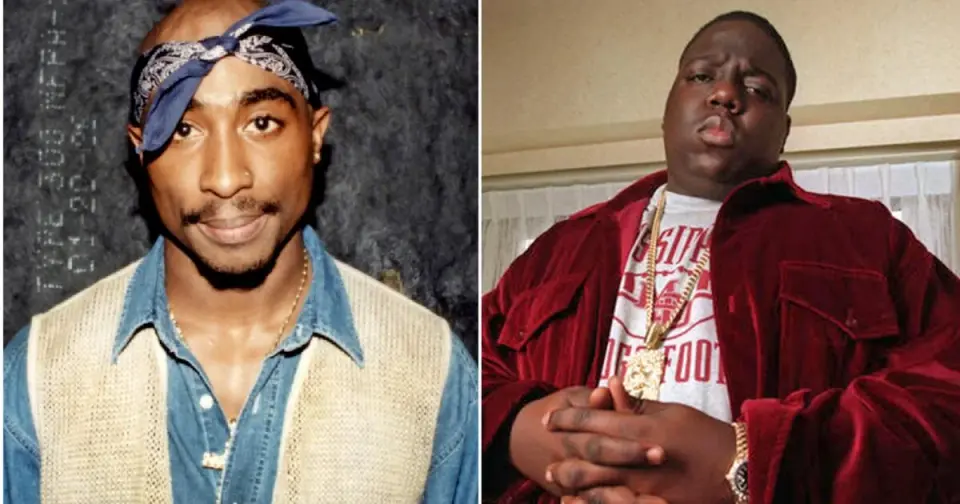
A Las Vegas jury convicted Duane 'Keffe D' Davis of orchestrating the 1996 murder of Tupac Shakur, closing a 30-year cold case. The conviction relied heavily on Davis's own admissions, which were uncovered during an unrelated investigation into the 1997 killing of Christopher Wallace, a.k.a. Biggie Smalls. While the Shakur case is resolved, the Biggie Smalls investigation remains open with no charges filed.
Key points
- A Las Vegas jury found Duane 'Keffe D' Davis guilty of first-degree murder in the 1996 slaying of Tupac Shakur after a two-week trial.
- Prosecutors argued Davis orchestrated the shooting as revenge for a beating of his nephew by Shakur and Death Row Records founder Suge Knight at the MGM Grand.
- The case relied on Davis's 2008 proffer interviews and 2019 memoir, where he admitted to handing a gun to his crew, rather than physical forensic evidence.
- The investigation into Davis was triggered by a 2008 task force interview regarding the unsolved 1997 murder of Biggie Smalls, during which Davis admitted to the Shakur killing.
- The 1997 murder of Christopher Wallace (Biggie Smalls) remains unsolved, with no suspects charged despite the interconnected nature of the two cases.
- Davis faces a potential life sentence, with sentencing scheduled for October 2026.
Background
The murders of Tupac Shakur in 1996 and Biggie Smalls in 1997 were central to the East Coast-West Coast hip-hop rivalry. For decades, both cases were plagued by uncooperative witnesses, police misconduct allegations, and a lack of physical evidence. The 2008 federal task force investigation into Biggie Smalls's murder inadvertently uncovered admissions by Duane Davis regarding the Shakur killing, which remained unused until Davis's 2019 memoir and subsequent public statements allowed prosecutors to bypass proffer agreement protections.
How outlets are covering it
The Los Angeles Times and The Hollywood Reporter emphasize the legal significance of the conviction, noting that the case succeeded despite a lack of forensic evidence, relying instead on Davis's own words. CNN highlights the procedural irony that the Biggie Smalls investigation led to the Shakur conviction, while the Biggie case remains stalled. The Daily Beast focuses on the public relief and the 'mastermind' narrative, contrasting the quick verdict with the decades-long delay. Legal experts cited by the LA Times criticize the initial police inaction, while defense attorneys argue Davis fabricated his admissions for fame and leniency in drug cases.
Why it matters
The conviction marks the first legal resolution in one of hip-hop's most notorious cold cases, validating decades of speculation. It also highlights the complex, often counterproductive nature of cross-jurisdictional investigations in high-profile crimes. The unresolved status of the Biggie Smalls murder continues to symbolize the unresolved tensions of the 1990s hip-hop era and the challenges of solving crimes driven by gang violence and media spectacle.
What to watch
Duane Davis will be sentenced in October 2026, with a potential life sentence. The LAPD and Clark County prosecutors may revisit the Biggie Smalls case, though no new leads have been publicly announced. The legal team for Sean 'Diddy' Combs, who was mentioned in Davis's interviews as offering a bounty, continues to deny involvement in the Shakur murder.
- Two unsolved rap murders haunted police for decades. Why Tupac case closed but not Biggie Smalls' Los Angeles Times
- Duane Davis Is Convicted of Orchestrating Tupac Shakur’s Murder The New York Times
- Biggie Smalls’ still-unsolved killing keeps surfacing in a courtroom where no one is charged with it. Why? CNN
- Tupac’s Murder Finally Has a Guilty Verdict. But the Mystery Isn’t Over The Hollywood Reporter
- Tupac Murder Mastermind Finally Convicted After Three Decades The Daily Beast
Want the full story? Read the original reporting
Read on Los Angeles Times