
Clancy Trial Focuses on Psychosis vs. Planning as Forensic Evidence Is Stipulated
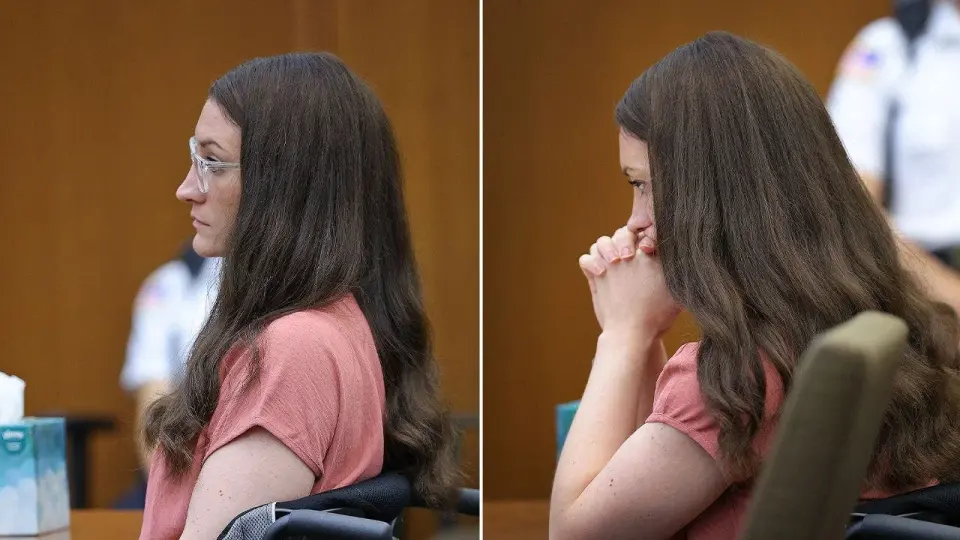
Lindsay Clancy’s murder trial in Massachusetts has narrowed its focus to her mental state at the time of the killings after she stipulated to forensic facts. On August 4, 2026, Clancy agreed to allow prosecutors to treat chain-of-custody and DNA evidence as established, sparing jurors days of testimony. This move shifts the central debate to whether she was criminally responsible while suffering from postpartum psychosis. Defense attorney Kevin Reddington argued that a person can plan and act while psychotic, a point supported by Dr. Sejal Shah, who testified that Clancy appeared lucid during hospital evaluations days after the deaths. Prosecutors counter that Clancy acted deliberately, citing her communication with her husband and organized behavior. The trial, which began in July 2026, centers on whether Clancy’s mental illness negates criminal responsibility for the 2023 deaths of her three children in Duxbury.
Key points
- Clancy stipulated to forensic facts on August 4, 2026, allowing prosecutors to treat chain-of-custody and DNA evidence as established without further proof.
- Judge William Sullivan confirmed Clancy entered the stipulation knowingly and voluntarily, narrowing the trial’s focus to her mental state at the time of the killings.
- Dr. Sejal Shah testified that Clancy appeared calm, cooperative, and lucid during psychiatric evaluations in January and February 2023, but agreed that psychosis can coexist with planning and communication.
- Prosecutors argue Clancy acted deliberately, citing her communication with her husband and organized behavior, while the defense argues she was suffering from postpartum psychosis and was not criminally responsible.
- Clancy is charged with three counts of murder and strangulation for the deaths of her children Cora, Dawson, and Callan in January 2023; if convicted, she faces life in prison without parole, but if found not criminally responsible, she would be committed to a mental health facility.
Background
The trial began in July 2026 in Plymouth, Massachusetts, with opening statements and testimony from Clancy’s ex-husband, Patrick, who described returning home to a horrific scene. The case centers on whether Clancy’s postpartum psychosis negates criminal responsibility for the 2023 deaths of her three children in Duxbury. Prosecutors have argued she acted deliberately, while the defense contends she was not criminally responsible due to mental illness and overmedication. The trial is expected to run six to eight weeks and involves hundreds of potential witnesses, with a focus on Clancy’s mental health history and the impact of media access to the 911 call and crime-scene photos.
How outlets are covering it
Fox News emphasizes the stipulation and the defense’s argument that psychosis allows planning, citing Dr. Sejal Shah’s testimony. The Patriot Ledger provides detailed forensic testimony, including bloodstain pattern analysis and toxicology results, highlighting the chain of custody and evidence collection. CNN focuses on Clancy’s psychiatric evaluations, noting her calm and cooperative demeanor days after the killings, and the defense’s argument that she was an honest patient. NBC News highlights Clancy’s diary entries, chronicling her desperation and mental health struggles before the killings, and the defense’s argument that she was seeking help. The outlets differ in emphasis: Fox News and CNN focus on the mental state and psychiatric testimony, while The Patriot Ledger and NBC News provide more detail on forensic evidence and Clancy’s pre-killings mental health struggles.
Why it matters
The trial’s focus on Clancy’s mental state at the time of the killings is critical because it determines whether she will be found criminally responsible. If convicted, she faces life in prison without parole; if found not criminally responsible, she would be committed to a mental health facility. The case highlights the complexities of postpartum psychosis and the legal standards for criminal responsibility in Massachusetts, where the prosecution must prove beyond a reasonable doubt that Clancy was criminally responsible at the time of the deaths. The stipulation and forensic evidence will play a key role in shaping the jury’s understanding of Clancy’s mental state and the circumstances of the killings.
What to watch
The trial is expected to continue with further testimony on Clancy’s mental health and the forensic evidence. Prosecutors will likely focus on Clancy’s communication with her husband and organized behavior, while the defense will emphasize her postpartum psychosis and the stipulation’s implications. The jury will need to determine whether Clancy was criminally responsible at the time of the killings, with the outcome potentially leading to a life sentence or commitment to a mental health facility. The trial is expected to run six to eight weeks, with hundreds of potential witnesses and a focus on Clancy’s mental health history and the impact of media access to the 911 call and crime-scene photos.
- Lindsay Clancy defense scores ‘extremely helpful’ psychosis concession as expert flags next hurdle Fox News
- Lindsay Clancy trial Day 6 testimony: Live updates from Plymouth court The Patriot Ledger
- Lindsay Clancy was ‘calm and cooperative’ days after killing her 3 children, psychiatrist says CNN
- Lindsay Clancy’s diary chronicled desperation and ‘brain fog’ before she killed her 3 kids NBC News
- Livestream, live updates: More expert testimony today in Lindsay Clancy trial NBC Boston
Want the full story? Read the original reporting
Read on Fox News