
Mississippi police confirm Tasia Fortune's hanging was staged after drug-related killing
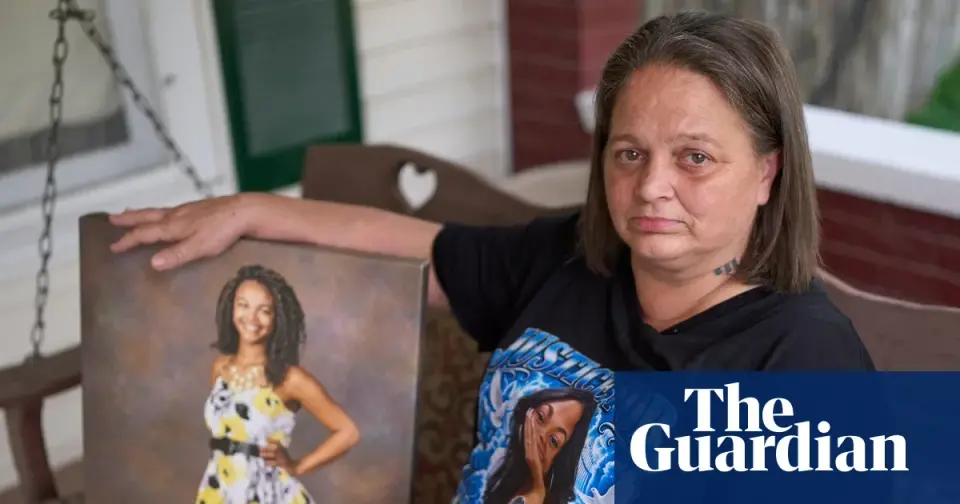
Jackson police have confirmed that the death of 29-year-old Tasia Fortune was a homicide, with her body staged in a tree after she was killed in a drug dispute. A third suspect, Eric Clark, surrendered to authorities on Friday, joining two other men already charged with murder. Investigators determined Fortune was dead for two to three days before her body was found on August 3, ruling out suicide and highlighting the severity of the staged scene.
Key points
- Eric Clark, 45, surrendered to Jackson police on Friday and was charged with murder; he is scheduled for a court appearance on Monday.
- Police and the medical examiner confirmed the hanging scene was staged, as Fortune had been dead for two to three days before her body was discovered on August 3.
- Detective Samuel Dukes testified that Fortune was killed in a dispute related to drugs and fought her attackers before dying.
- Fortune’s mother, Christy Spivey, stated she knew her daughter would not have killed herself and expressed concern that innocent people might be wrongly convicted.
- The case has drawn national attention due to Mississippi’s history of racial violence and lynchings, prompting calls for federal investigation into similar deaths.
Background
The case gained national attention in August after Fortune’s body was found hanging from a tree behind a vacant home in Jackson. Initial speculation and community fears were fueled by Mississippi’s history of racial violence. In early September, police arrested Jarques Ratliff, 51, and later Earnest Lloyd Jr., 25, both of whom pleaded not guilty. The medical examiner’s ruling that the death was a homicide marked a significant shift in the investigation, moving it from a potential suicide to a staged murder.
How outlets are covering it
The Guardian and CNN both report that police have confirmed the scene was staged and linked to a drug dispute, but CNN provides additional detail from Detective Samuel Dukes’s testimony that Fortune fought her attackers. The BBC highlights the emotional impact on Fortune’s family, particularly her mother Christy Spivey, who emphasized the importance of ensuring the right people are held accountable. All three outlets note the national attention the case has received due to its resemblance to historical lynchings, but the BBC and CNN more explicitly connect it to broader legislative efforts to investigate hanging deaths of Black people in the US.
Why it matters
The confirmation that Fortune’s death was a staged homicide underscores the ongoing concerns about racial violence and the need for thorough, transparent investigations in cases involving Black victims. The case also highlights the importance of community trust in law enforcement, as Fortune’s family and supporters have expressed both hope for justice and fear of wrongful convictions. The national attention may lead to increased scrutiny of similar cases and push for federal involvement in investigating hanging deaths of Black individuals.
What to watch
Eric Clark is scheduled to appear in court on Monday, and the hearing for Jarques Ratliff will resume on September 30 to determine if the case should be sent to a grand jury. Police have indicated that the investigation will continue until all individuals believed to be involved are held accountable. The case may also prompt further federal scrutiny, as lawmakers have called for the Justice Department and FBI to investigate all hanging deaths of Black people in the country.
- Third person arrested in death of Tasia Fortune, as police say hanging was staged The Guardian
- Black woman found hanging from tree was dead before body was 'staged', police say bbc.com
- Tasia Fortune’s hanging was ‘staged’ after her death in a drug dispute, Mississippi police say CNN
- Mississippi Hanging Was Staged After Drug Dispute, Investigators Say The New York Times
- Tasia Fortune's hanging was 'staged' after her death in a drug dispute, Mississippi police say ABC News - Breaking News, Latest News and Videos
Want the full story? Read the original reporting
Read on The Guardian