
Clancy Trial Hinges on Digital Evidence and Psychosis Defense
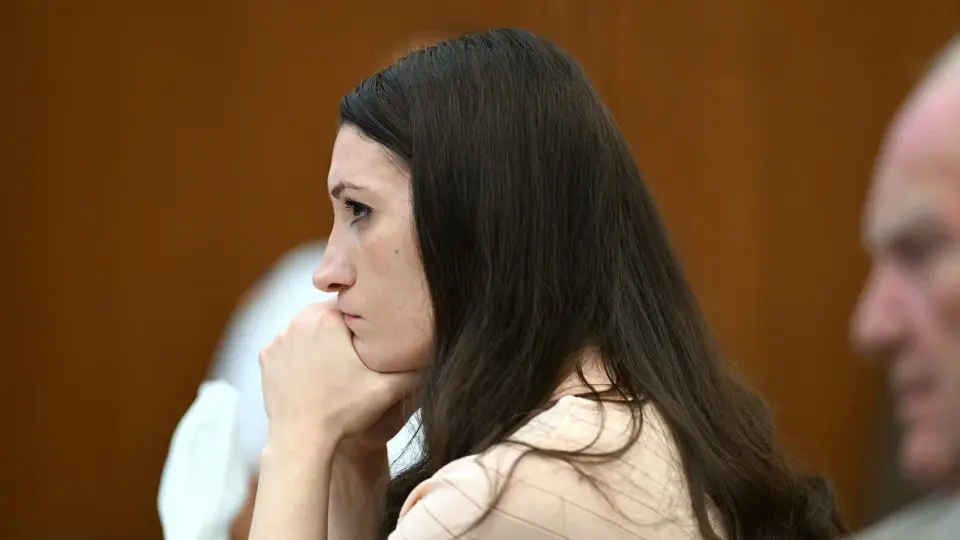
Lindsay Clancy faces murder charges for the 2023 deaths of her three children in Duxbury, Massachusetts. Prosecutors presented digital evidence, including a search for treating sociopathy, while the defense argues she suffered from postpartum psychosis. Clancy pleads not guilty, claiming she is not criminally responsible due to mental health issues.
Key points
- State police investigators testified that Clancy searched for 'can you treat a sociopath' four days before the killings.
- Clancy pleaded not guilty to three counts of murder, arguing she was suffering from postpartum psychosis and bipolar disorder.
- Defense attorney Kevin Reddington does not contest that Clancy caused the deaths but argues she lacks criminal responsibility.
- Clancy was paralyzed from the waist down after jumping from a second-story window following the murders.
- The trial is being held in Plymouth, Massachusetts, with Judge William Sullivan presiding.
Background
The trial follows the January 2023 deaths of Cora, Dawson, and Callan Clancy. Previous coverage noted that Clancy’s ex-husband, Patrick, discovered the children with exercise bands around their necks. The defense strategy centers on mental health, specifically postpartum psychosis, a theme consistent with earlier reports on her search history for mental health terms. The case is part of a broader pattern of high-profile murder trials in Massachusetts involving mental health defenses, such as the recent retrial ordered in the Latarsha Sanders case before the same judge.
How outlets are covering it
ABC News emphasized the specific search for 'can you treat a sociopath' as a key piece of evidence, highlighting Clancy's internal notes about parenting struggles and mental health. NBC Boston provided a detailed timeline of the digital forensics, noting searches for suicide methods, psychosis, and various medications, while also covering the emotional reactions in the courtroom. The Boston Herald focused on the emotional impact of the autopsy testimony, describing Clancy's sobbing and the judge's instructions to jurors to separate emotion from evidence. While all sources agree on the facts of the case, ABC and NBC focused more on the digital evidence, whereas the Boston Herald highlighted the courtroom dynamics and the defense's strategy.
Why it matters
The trial highlights the complex intersection of digital evidence and mental health defenses in high-profile murder cases. The outcome could set precedents for how postpartum psychosis is treated in criminal law and the admissibility of digital search histories as evidence of intent or mental state. It also underscores the ongoing debate over the balance between emotional testimony and objective evidence in jury trials.
What to watch
The prosecution is expected to rest its case soon, with the defense set to present its arguments. The trial is scheduled to continue with more witnesses, and the judge has indicated that there will be no court on Friday, with proceedings resuming on Monday. The final verdict will depend on whether the jury accepts the defense's argument that Clancy was not criminally responsible due to her mental health condition.
- Lindsay Clancy searched 'can you treat a sociopath' prior to killing children: Investigator ABC News - Breaking News, Latest News and Videos
- Lindsay Clancy trial Day 13 recap: Jury hears computer searches, cellphone data NBC Boston
- ‘I can’t do it’: Lindsay Clancy breaks down during autopsy testimony Boston Herald
- Lindsay Clancy trial turns focus to medications prescribed before she killed her children PBS
- Lindsay Clancy trial Day 13: Investigators detail text messages, searches The Boston Globe
Want the full story? Read the original reporting
Read on ABC News - Breaking News, Latest News and Videos