
US Admits to First Public Deployment of Orbital Weapons, Igniting Global Space Arms Race
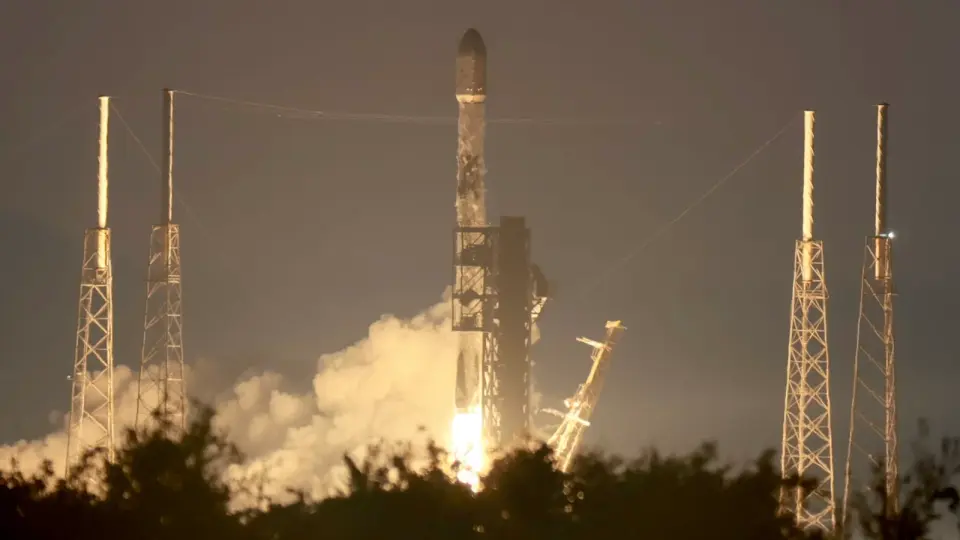
The United States has officially confirmed for the first time that it has deployed weapons in orbit. Air Force Secretary Troy Meink announced the existence of 'on-orbit space control weapons' at the Air, Space, and Cyber Conference, stating they are designed to protect US forces from hostile actions. While details regarding the weapon type and deployment timeline remain classified, the admission marks a significant shift in US space policy. This move has prompted immediate diplomatic pushback from China and Russia, who accuse the US of militarizing space, and has raised concerns among experts about the potential for a dangerous orbital arms race.
Key points
- US Air Force Secretary Troy Meink confirmed the deployment of 'on-orbit space control weapons' at the Air, Space, and Cyber Conference.
- Meink stated the weapons are capable of defending the joint force against hostile adversary action but refused to provide specifics on their nature or when they were deployed.
- The announcement is the first official public acknowledgment by the US of having active weapons in Earth's orbit.
- China and Russia responded by accusing the US of preparing for war in space and called for the demilitarization of orbital domains.
- Experts warn that this disclosure may accelerate a high-risk arms race, as adversaries are likely to respond by revealing or deploying their own capabilities.
Background
This development follows years of US warnings regarding Chinese and Russian counterspace capabilities. The 1967 Outer Space Treaty bans weapons of mass destruction in orbit but does not prohibit conventional weapons. Recent US policy, including President Trump's 2019 creation of the Space Force and a 2026 executive order emphasizing space superiority, has laid the groundwork for this shift. The announcement also coincides with broader discussions on autonomous systems and missile defense, such as the 'Golden Dome' initiative.
How outlets are covering it
While all major outlets confirm the announcement, they differ in emphasis. CNBC and CNN focus on the strategic implications and the lack of detail, noting Meink's refusal to specify the weapon type. The Guardian highlights the potential for an arms race, citing experts like Jonathan McDowell who argue that even non-kinetic jamming is a major escalation. The Register’s coverage is largely obscured by technical code, offering no substantive analysis. International reactions are stark: China’s foreign ministry warned against turning space into a battlefield, while Russia’s Kremlin spokesperson called for complete demilitarization. Experts like Juliana Suess note that while the US has been vague, the official disclosure changes the diplomatic landscape, potentially forcing other nations to reveal their own capabilities.
Why it matters
This is a pivotal moment in space governance. The US admission breaks a long-standing taboo of secrecy regarding orbital weapons, potentially normalizing conflict in space. It could trigger a domino effect where other nations deploy similar systems, increasing the risk of orbital debris and kinetic conflicts. The move also signals a shift in US defense strategy toward autonomous and space-based assets, influencing global defense budgets and international treaties.
What to watch
Analysts expect China and Russia to respond diplomatically or by revealing their own space capabilities. The US is likely to continue modernizing its space force, with Meink promising a 'radically different-looking Air Force by 2032.' The next major test for the US 'Golden Dome' missile defense system is scheduled for 2028, which may further escalate tensions. International discussions on space arms control may intensify as the US moves away from the 'peaceful use' norm.
- U.S. confirms for first time it has weapons deployed in space CNBC
- US confirms for first time it has deployed weapons into space The Guardian
- US confirms it has weapons in spaaaaaace The Register
- US military confirms it has deployed weapons in space CNN
- U.S. has deployed first space-based weapon, Air Force secretary says The Washington Post
Want the full story? Read the original reporting
Read on CNBC