
Nepal-Tibet Flood Toll Climbs to 469 as Dam Breach Looms
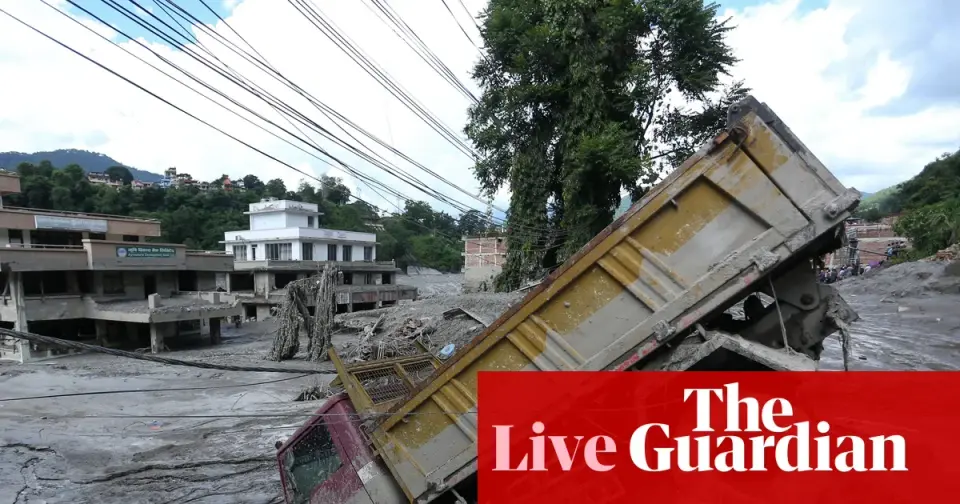
A catastrophic flash flood on the Nepal-Tibet border, triggered by a glacier collapse, has killed at least 469 people and left over 1,300 missing. Rescue efforts are hampered by destroyed infrastructure and a looming risk of secondary flooding from a debris-clogged artificial lake. International leaders and aid agencies are mobilizing resources, while families of missing tourists from Australia, India, and other nations await news.
Key points
- Nepal police report the death toll has risen to 469, with over 1,300 people still missing, including hundreds of foreign tourists.
- Chinese authorities warn that an artificial lake formed by debris has a high risk of breaching, potentially causing further downstream flooding in areas like Gyirong Port.
- Rescue operations are complicated by the destruction of dozens of bridges and 40km of roads, though Chinese state media reports 555 tourists and 499 residents have been evacuated from Tibet.
- The UN has released $2 million in emergency funds, and China’s Premier Li Qiang has arrived in Gyirong to direct rescue efforts alongside 500 military personnel.
- Families of 39 missing Australians, including a Sydney family, remain hopeful but anxious as search teams continue recovery efforts in the mountainous region.
Background
The disaster began on Wednesday, August 26, 2026, when a glacier collapse triggered a massive flash flood and mudslide along the Bhote Koshi river near the Nepal-Tibet border. Initial reports indicated at least eight deaths and 384 missing travelers, but the toll has since escalated significantly. The affected region, popular with trekkers and pilgrims, suffered widespread destruction of homes, schools, and infrastructure, including a major impact on the Trishuli hydropower project.
How outlets are covering it
The Guardian provides the most current casualty figures, citing Nepal police, and highlights the specific plight of missing Australian tourists. CNN emphasizes the initial scale of the disaster and the logistical challenges faced by rescue helicopters, noting that waters were too high for landings in some areas. The New York Times focuses on the human impact, describing the stunned disbelief of survivors and the total devastation of local communities. While all sources agree on the severity, the Guardian and CNN highlight the international diplomatic response, whereas the NYT underscores the local human tragedy. Chinese state media, cited by the Guardian, offers a more optimistic view on evacuations, reporting significant numbers of people moved to safety, contrasting with the ongoing search for the missing.
Why it matters
This disaster highlights the vulnerability of border regions to climate-related events and the complex international coordination required for large-scale rescue and relief operations. The potential for secondary flooding from the artificial lake poses an ongoing threat to downstream communities and infrastructure. The high number of missing foreign nationals has drawn global attention and diplomatic engagement, including from US President Donald Trump and UN humanitarian chief Tom Fletcher, underscoring the international dimension of the crisis.
What to watch
Authorities are closely monitoring the artificial lake for signs of a breach, which could trigger further flooding. Rescue teams will continue searching for the over 1,300 missing individuals, with a focus on areas accessible by helicopter. International aid, including the $31 million emergency appeal by the Red Cross, will be deployed to support relief operations. Families of the missing will continue to await news, while local communities will begin the long process of recovery and rebuilding.
- Nepal-Tibet flash flood live updates: debris-clogged river at risk of flooding again; rescuers race to find survivors The Guardian
- Rescuers battle severe conditions as they race to find survivors of Nepal flood CNN
- The terrifying mechanics of the Nepali flash flood The Economist
- ‘They All Died, and I Lived’: Survivors of Nepal Flood Left in Stunned Disbelief The New York Times
- Rescuers scour Nepal flood debris as risk of fresh flooding grows Reuters
Want the full story? Read the original reporting
Read on The Guardian