
EPA Finalizes Repeal of Power Plant Emissions Rules, Citing Cost Savings
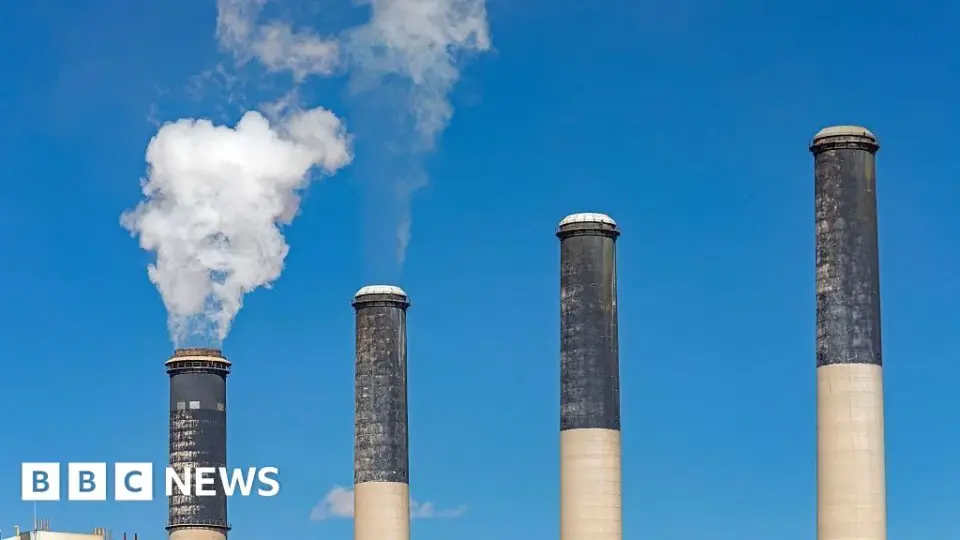
The US Environmental Protection Agency (EPA) has finalized the repeal of Biden-era regulations limiting carbon emissions from coal and gas power plants. The agency argues the move will save $310 billion and lower energy costs, while critics warn it will increase health risks and ignore climate science. The action also seeks to prevent future administrations from regulating power sector emissions.
Key points
- EPA Administrator Lee Zeldin announced the repeal of the 2024 Carbon Pollution Standards, which required power plants to cut or capture 90% of their climate pollution.
- The EPA claims the rollback will save $310 billion and reduce energy prices, while environmental groups warn it will cause significant health and environmental harm.
- The agency is also proposing to revoke all remaining greenhouse gas requirements for the power sector, arguing that power plant emissions have 'no material impact' on climate change.
- Environmental organizations, including the Sierra Club and Center for Climate and Energy Solutions, have condemned the move and expect immediate legal challenges.
- The repeal follows a broader Trump administration effort to dismantle climate regulations, including overturning the 2009 'endangerment finding' that underpinned EPA authority to regulate greenhouse gases.
Background
This action follows a series of regulatory rollbacks by the Trump administration, including the February 2026 reversal of the Obama-era 'endangerment finding' that classified greenhouse gases as a public health threat. The move also comes amid a surge in gas-powered projects for US data centers, which more than doubled to over 189 GW by mid-2026, raising climate concerns. Additionally, recent court rulings have blocked the Trump administration's attempts to keep aging coal plants online through emergency orders, highlighting ongoing legal battles over energy policy.
How outlets are covering it
The EPA and its supporters, including EPA Administrator Lee Zeldin, argue that the Biden-era rules exceeded the agency's authority and would have forced plants to retire rather than meet standards. They claim the repeal will save $310 billion, reduce energy prices, and boost national security. Environmental groups, such as the Sierra Club and Center for Climate and Energy Solutions, strongly oppose the move, calling it a 'giant step backward' that ignores science and public health. They warn that the repeal will lead to increased pollution, higher health costs, and market uncertainty. Independent studies cited by critics suggest that coal power is driving higher utility costs and that the health damages from elevated emissions could cost up to $476 billion.
Why it matters
The repeal of power plant emissions rules is a significant step in the Trump administration's broader effort to dismantle climate regulations. It could lead to increased greenhouse gas emissions, higher health costs, and market uncertainty for power companies. The move also sets a precedent for future administrations, as the EPA seeks to prevent future regulation of power sector emissions. The action is expected to face immediate legal challenges, which could shape the future of climate policy in the US.
What to watch
The EPA's move is expected to face immediate legal challenges from environmental groups and states. The agency will also undergo public scrutiny as it proposes to revoke all remaining greenhouse gas requirements for the power sector. The outcome of these legal challenges and public consultations will determine the long-term impact of the repeal on US emissions and global climate change.
- US scraps limits on emissions from coal and gas power plants BBC
- EPA eliminates rule that limits planet-warming greenhouse gas emissions from power plants AP News
- Trump Doubles Down on Climate Denial With Plan to Repeal Power Plant Rules Inside Climate News
- Trump administration removes climate pollution limits on power plants CNN
- Trump’s EPA is ending one of the nation’s biggest climate protections The Washington Post
Want the full story? Read the original reporting
Read on BBC