
The Impact of Non-Native Grass Species on Hawaii's Wildfires
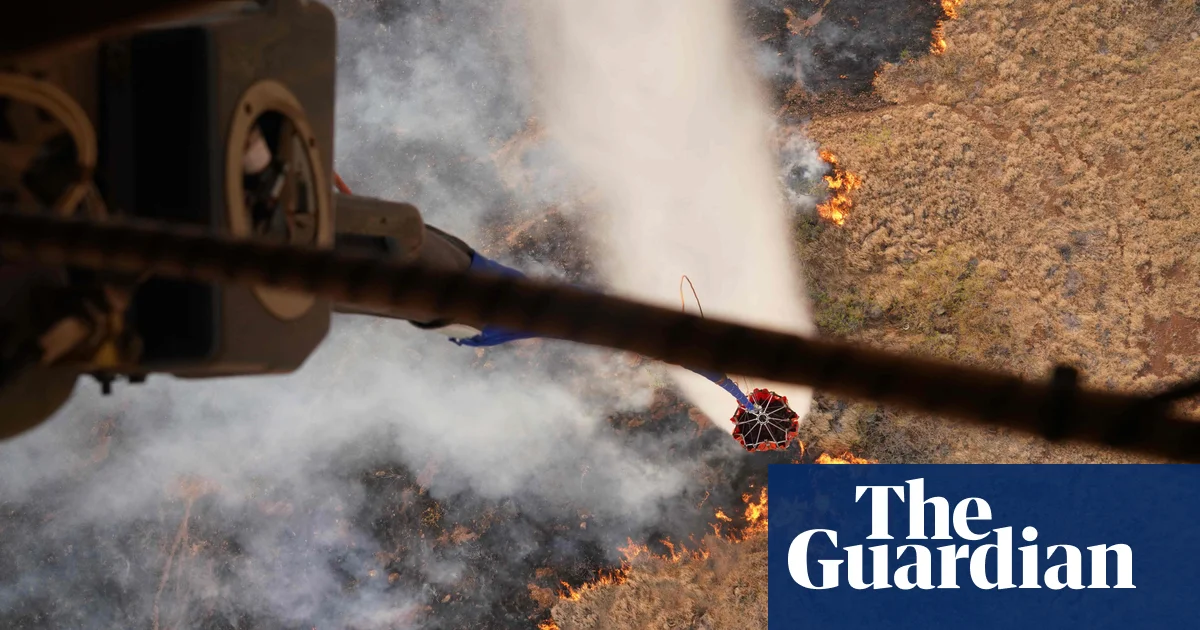
Invasive grass species covering a quarter of the Hawaiian islands, particularly on abandoned sugarcane fields, are being blamed for the ferocity of the recent deadly wildfires on Maui. Scientists have been warning about the fire risk posed by non-native grasses for years, as they provide a source of combustible fuel. The grasses, such as fountaingrass and Guinea grass, have adapted to thrive with fire and now cover about 25% of Hawaii. Experts suggest that managing the grasses through grazing, farming, reforestation, or fire breaks could have reduced the intensity and spread of the fires. However, addressing the climate crisis and reducing greenhouse gas emissions is seen as the ultimate solution to prevent such disasters.
- Non-native grass species blamed for ferocity of Hawaii wildfires The Guardian
- ABC News changes headline amid backlash, after saying 'climate change can't be blamed' for Maui wildfires Fox News
- Maui tourism, an economic mainstay, sparks anger amid fire ruin Yahoo News
- Opinion | The Age of the Urban Inferno Is Here The New York Times
- Op-ed: Hawaii wildfires show us that the climate crisis is affecting our health Chicago Tribune
Reading Insights
0
13
4 min
vs 5 min read
86%
828 → 114 words
Want the full story? Read the original article
Read on The Guardian